Loading Table of Contents...
What is SEO? Everything Beginners Need to Know About SEO
Quick Summary
Collapse
Learn what SEO is with Connect Tech to get your website on Google search naturally. This guide covers SEO processes and benefits to help boost your online sales
People search on Google every day before making decisions about products or services. If a website does not appear in search results, the business loses the chance to reach these potential customers. SEO is one of the methods that helps a website appear organically on Google without paying for each click. It is the process of optimizing content, technical structure, and user experience so that search engines can better understand and evaluate a website.
However, SEO is not just about “ranking on Google.” It is directly related to how a business attracts the right audience, builds trust, and generates real conversions. In this article, together with Connect Tech, we will explore what SEO is, how it works, and why it plays an important role in modern marketing strategies.
I. What is SEO?
SEO (Search Engine Optimization), or search engine optimization, is the process of improving a website to help it rank higher in organic search results. The main goal of SEO is to increase organic traffic from search engines such as Google, Bing, Yahoo, etc.
Unlike paid advertising (Google Ads), SEO focuses on building valuable content, improving technical structure, and enhancing user experience to increase credibility in the eyes of search engines.
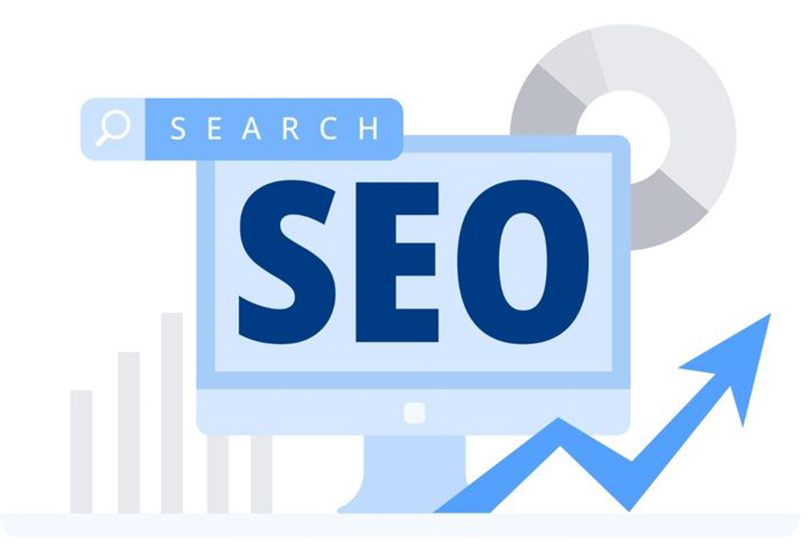
An effective SEO strategy typically includes:
- Optimizing keywords in content and title tags.
- Increasing page loading speed and mobile-friendliness.
- Building backlinks from other reputable websites.
- Improving user experience (UX).
II. Why is SEO important?
-
Increase your ability to reach target customers
Most users tend to click on the top results on Google. SEO helps your website appear in these positions, thereby increasing the chance of being accessed without paying for ads.
-
Optimize long-term marketing costs
Once a high ranking is achieved, the website continues to attract steady traffic without continuous payments. This is a more cost-effective and sustainable approach compared to short-term ads.

-
Enhance credibility and brand image
Users often value websites that appear at the top of search results. This not only improves brand image but also helps increase conversion rates.

-
Support effective sales
People searching for related keywords often have a clear need. Providing content that meets this need helps you convert them into customers more easily.
III. How does SEO work?
To understand how SEO works, you need to understand how search engines operate:
-
Crawling
Search engines use bots (also called spiders) to collect information from millions of websites. These bots scan content, images, links, etc., and store the necessary data.
-
Indexing
After collecting data, it is entered into a database and organized. A website can only appear in search results if it has been indexed.
-
Ranking
When a user types in a keyword, the search engine uses algorithms to select relevant pages and rank them based on relevance, credibility, page speed, mobile-friendliness, etc.
-
Factors that influence SEO
- Keywords: Identify main and related keywords that match user search intent.
- Content: High-quality, relevant, easy-to-read content that provides real value.
- Links: Backlinks from reputable websites help increase trustworthiness.
- User experience: Clear interface, fast loading time, easy to navigate on mobile.
IV. Popular Types of SEO
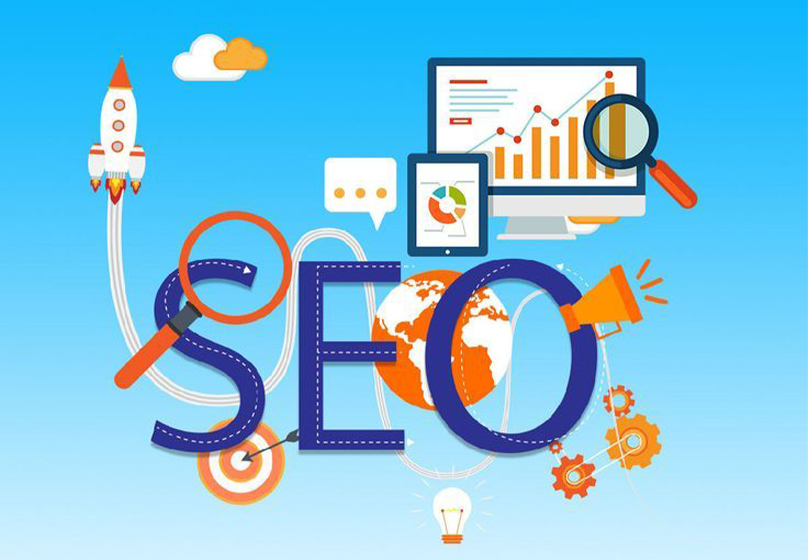
SEO is not a single concept but includes various types tailored to specific goals and strategies:
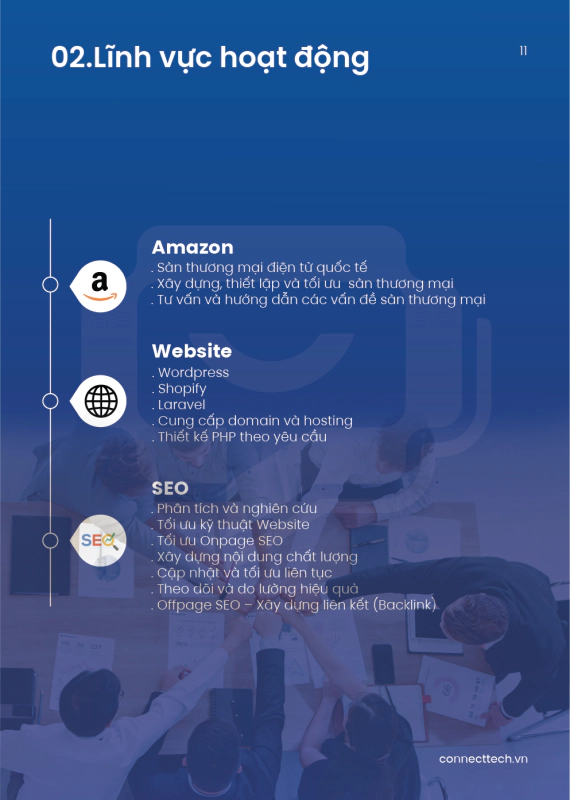
- On-page SEO: Focuses on optimizing all internal elements of a website. This includes content, keywords, title tags, meta descriptions, URL structure, internal linking, and images. The goal of on-page SEO is to make the website understandable, readable, and search engine friendly.
- Off-page SEO: Techniques that increase the credibility and popularity of a website through backlinks from other websites. Activities such as social media sharing, guest posting, press releases, and online PR are all part of off-page SEO.
- Technical SEO: Optimizes the website’s source code and technical infrastructure. It includes improving page loading speed, setting up sitemaps, configuring robots.txt, using HTTPS, enhancing mobile compatibility, and ensuring full indexability.
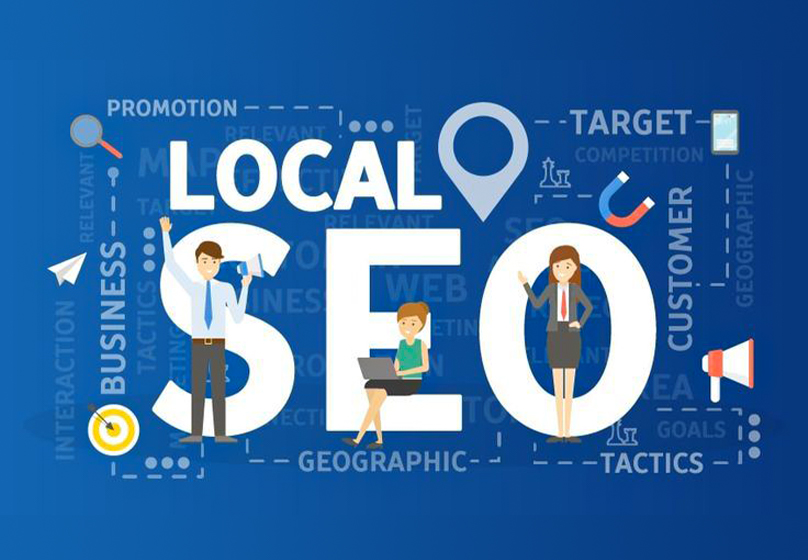
- Local SEO: Suitable for businesses that provide products or services in specific geographic areas. Local SEO improves visibility on Google Maps and location-based search queries, such as “best coffee in District 1.”
- Content SEO: Focuses on building a valuable, in-depth, regularly updated content system aligned with user search intent.
V. Benefits of Implementing SEO for Businesses
Whether a business is large or small, investing in SEO delivers sustainable value:
- Increase free traffic: Websites ranked high in search results attract more organic traffic without paying for each click.
- Boost credibility and brand image: Users often trust websites at the top of Google search results. This helps businesses build a more professional and reputable image.
- Reduce marketing costs: Compared to paid ads, SEO is a long-term investment channel with stable effectiveness. Once a good ranking is achieved, there’s no need to continuously pay like with ads.
- Improve conversion rates: SEO not only drives traffic but also targets the right audience with demand, increasing the likelihood of purchases, registrations, or contact.
- Support other campaigns: SEO-optimized content can be reused across other channels like social media and email marketing, ensuring consistent communication strategies.
VI. Basic SEO Process for Beginners
SEO does not start with writing articles or building backlinks. When done properly, it follows a structured process that moves from understanding the market to continuous optimization. Missing any step often leads to unstable or ineffective results.
1. Market and competitor analysis
Before doing SEO, it is important to understand the competitive landscape.
- Who are the current top-ranking competitors
- What type of content are they producing
- Which keywords are they targeting
- Where are their strengths and weaknesses
The goal here is not to copy competitors, but to identify content gaps and untapped opportunities.
2. Keyword research based on search intent
Many beginners focus only on search volume, but effective SEO starts with search intent.
- Is the user looking for information, comparison, or purchase
- Which keywords are more likely to lead to conversions
- Which keywords are purely informational
Tools like Google Keyword Planner, Ahrefs, or Ubersuggest are only supporting tools. The key is understanding what users actually want when they type a query.
3. Building content in topic clusters
Modern SEO is no longer about publishing isolated articles.
- Create a main pillar topic (pillar content)
- Develop supporting articles around that topic
- Interlink pages to build a structured content system
This approach helps search engines understand that the website has depth and authority in a specific field.
4. Technical website optimization
Even with strong content, poor technical setup can limit rankings.
- Ensure fast and stable page speed
- Make the website mobile-friendly
- Keep URL structure clear and logical
- Properly configure sitemap and robots.txt
- Ensure all important pages are indexable
This is the foundation layer, but it is often overlooked.
5. Link building (backlinks)
Backlinks are not about quantity, but quality and relevance.
- Links from industry-relevant websites
- Guest posts or PR articles on reputable sites
- Natural backlinks from valuable content
A strong backlink acts as a “trust signal” to search engines, improving domain authority.

6. Monitoring and continuous optimization
SEO is not a one-time task.
- Track keyword rankings
- Analyze traffic through Google Analytics
- Review page performance
- Update and improve content regularly
Websites that maintain stable rankings are not necessarily those that do the most SEO work, but those that continuously refine their strategy based on real data.
VII. Differences Between SEO and SEM
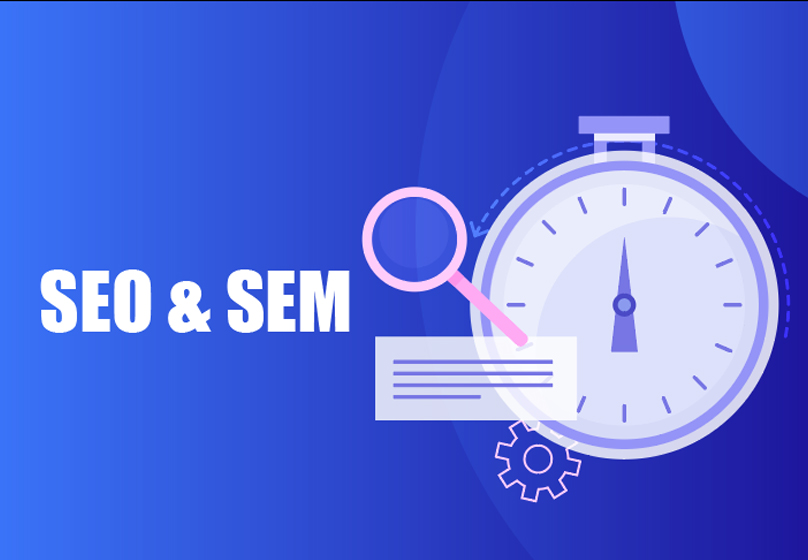
Although both aim to increase a website’s visibility on search engines, SEO (Search Engine Optimization) and SEM (Search Engine Marketing) differ in operation, cost, and time to results.
-
Nature
SEO is the process of optimizing a website to improve rankings in organic search results. It does not require payment per click.
SEM includes SEO and paid advertising (PPC - Pay-per-click). However, SEM usually refers specifically to paid search ads, like Google Ads.
-
Cost
SEO requires more time and effort investment. Costs are usually focused on content creation, technical optimization, and link building.
SEM requires a clear advertising budget. You pay each time someone clicks your ad. However, results can be immediate.
-
Time to effectiveness
SEO is a long-term strategy. It may take weeks to months to see clear improvements in rankings and traffic.
SEM delivers near-instant results. Once the campaign is set up and running, your website can appear at the top of search results immediately.
-
Sustainability
SEO delivers stable, long-term traffic. Once high rankings are achieved, you can maintain them without paying per visit.
SEM is budget-dependent. Once the ads stop, traffic drops instantly.
-
Trust level
Users often trust organic search results more because they are perceived as “objective” compared to ads. However, ads can still build credibility if designed professionally and accurately target user intent.
VIII. Conclusion
SEO is not just about getting a website to appear on Google. From a business perspective, SEO is a way for companies to show up exactly when customers are actively searching, creating opportunities for acquisition and conversion in a more natural and sustainable way.
However, SEO only delivers real results when it is implemented correctly. From keyword selection, content creation, and technical optimization to measurement and improvement, every step directly impacts the final outcome.
At Connect Tech, SEO is not approached as a “keyword pushing” service package. Instead, it is analyzed based on each business’s specific goals, whether the focus is on increasing brand awareness, generating leads, or optimizing conversions.
If you already have a website but are unsure why it is not generating customers, or if traffic is increasing but conversion rates remain low, Connect Tech will start by analyzing your content structure, customer search behavior, and the alignment between keywords and actual products before recommending an SEO implementation direction. Contact us today!

Table of Contents