Loading Table of Contents...
What Is Off-Page SEO? Basic Steps to Optimize Off-page SEO
Quick Summary
Collapse
Learn how to effectively optimize off-page SEO for beginners. From backlinks and social media to local SEO, branding, and community building. A simple, easy-to-follow guide for new users.
You’ve invested in content creation, optimized page loading speed, and improved the user experience on your website. But your site still hasn’t ranked at the top of Google? You might be missing a very important part: off-page SEO optimization.
Improving factors outside of your website not only increases trust from search engines but also helps your website get mentioned more frequently across the internet. In this article, Connect Tech will guide you on how to implement off-page SEO techniques correctly, suitable for beginners but still effective in the long run.
I. What is off-page SEO?
Before you start optimizing, you need to understand what off-page SEO is. It refers to all activities that help improve search rankings from outside the website. Unlike on-page SEO, which focuses on internal content and structure, off-page SEO aims to get your website mentioned, linked to, and positively rated by others.
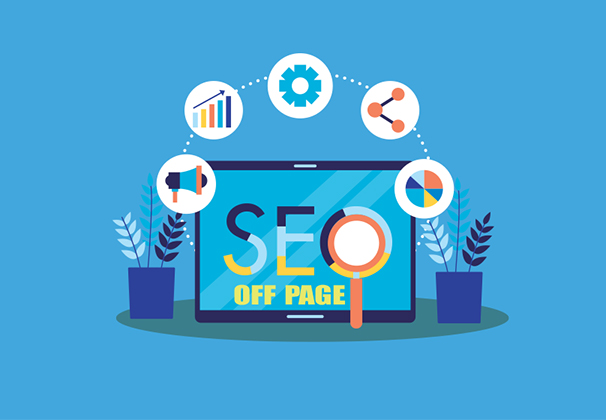
Search engines, especially Google, view external signals such as backlinks, social shares, and user reviews as credibility indicators. Therefore, off-page SEO is essential if you want to build a sustainable brand in the digital environment.
II. Key elements of Off-page SEO
1. Link building
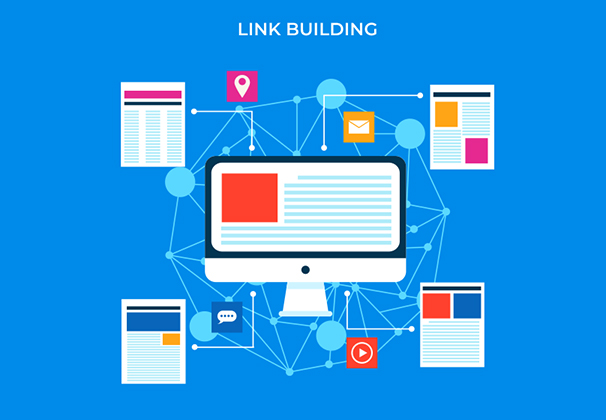
This is the most important factor in the off-page SEO process. When other websites link to yours, Google sees it as a “vote” of trust.
However, not all backlinks have equal value. A link from a reputable blog with relevant content provides more benefit than hundreds of links from low-quality sites. Common link-building methods include
- Writing guest posts on other blogs
- Posting on forums and groups
- Getting backlinks from news outlets or high-authority websites
2. Social media promotion
Sharing content on Facebook, YouTube, TikTok, or LinkedIn not only helps reach more people but also generates positive social signals for SEO. While most links from social platforms are nofollow, they still support off-page SEO by driving real traffic. Effective practices include
- Posting new blog articles on your page
- Sharing short, informative videos
- Adding website links in your personal profile bio

3. Brand building
A brand that is recognized, trusted, and frequently mentioned is highly rated by Google. This is an often-overlooked aspect of off-page SEO, but it delivers excellent long-term results. You can build your brand online through:
- Articles that mention your company name
- Influencer reviews of your services
- Being referenced by customers in comments, posts, or videos
4. Local SEO
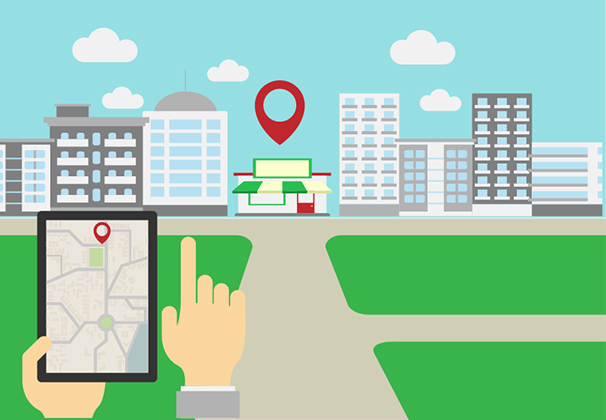
If your business operates in a specific region, local SEO is a must when optimizing Offpage SEO. Google uses factors like maps, reviews, and contact information to deliver the most relevant results to local users. You should:
- Create a business profile on Google Business Profile
- Register on local directories like Yellow Pages, Foody, etc.
- Encourage customers to leave real reviews
5. Community engagement
An important part of off-page SEO is how you connect with and maintain your presence in relevant communities. Regularly sharing, engaging, and providing value in niche groups helps build authority and attract organic website traffic. This approach also opens opportunities for natural backlinks and expands your brand’s visibility.
You can:
- Reply to comments on popular blogs
- Offer insightful input on Quora or Reddit
- Share quality content in industry-related groups
III. Basic steps to optimize off-page SEO
To effectively optimize off-page SEO, you need to follow a clear process instead of working without direction. Here is a step-by-step guide that is detailed and easy to apply, helping you sustainably improve your website rankings.
Step 1: Define Your Goals Clearly
Before jumping into any off-page activity, ask yourself, “What am I trying to achieve?” Maybe you want to boost rankings for a specific keyword, build brand trust, or increase traffic from outside sources. Setting clear, measurable goals helps you track progress and stay focused. Break it down like this:
- Which keywords are the top priority?
- What’s your timeline for improvement?
- Will you focus on link building, social media, or local mentions?
Your goals should match your resources and be realistic enough to work with.
Step 2: Review Your Current Off-Page Status
You can’t improve what you haven’t measured. That’s why it’s smart to start by reviewing your website’s current off-page presence. Here’s what you can do:
- Check how many backlinks you currently have, where they come from, and whether they’re high quality (use tools like Ahrefs, Ubersuggest, or Google Search Console)
- Look for unlinked brand mentions
- Identify and clean up low-quality backlinks if necessary
Knowing your strengths and weaknesses helps you make smarter choices when building your off-page strategy.
Step 3: Create a Clear Action Plan
Once your goals and current situation are mapped out, it’s time to plan your next moves. Instead of taking random actions, outline
- Which platforms or blogs will you target for outreach?
- What type of content will be shared, and which keywords will it target?
- Which landing pages will get backlinks?
- What anchor texts will you use and how often?
Having a weekly or monthly checklist keeps you organized, on track, and able to measure what’s working.
Step 4: Execute With Consistency
When it comes to off-page SEO, consistency matters more than speed. Don’t rush to build a ton of links; focus on quality and value instead.
Here are a few ways to begin:
- Submit guest posts or valuable content to relevant blogs
- Share your content on social media or in relevant niche communities
- Build relationships with sites in your industry for content collaborations
Be sure to mix up your anchor texts; use not just keywords, but also branded terms, URLs, and natural phrases like “learn more” or “visit here.”
Step 5: Track Results and Optimize
Not every off-page action delivers instant success. After running your plan for a while, it’s important to check what’s working.
Keep an eye on:
- Whether new backlinks are getting indexed
- Any increase in referral traffic from external sources
- Improvements in keyword rankings
Based on these insights, adjust your strategy: double down on what works, skip what doesn’t, or try a fresh content angle that earns more natural links.
A few notes when doing off-page SEO
- Do not use software to spam backlinks
- Avoid purchasing low-quality backlinks
- Prioritize links from websites with related content
- Combine multiple methods flexibly for sustainable off-page SEO
- Focus on users; useful, shareable content is always the most effective
IV. Conclusion
Off-page SEO optimization is not difficult. The important thing is to implement it in the right direction and consistently. This is the foundation that helps your website build credibility, appear more often on Google, and gain real user recognition.
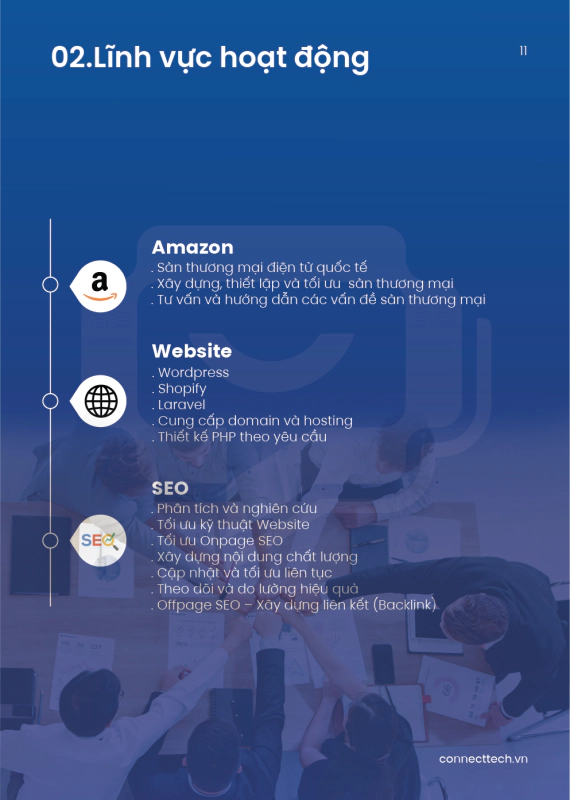
If you are looking for a professional partner to support off-page SEO, from backlink strategies to social media and local SEO, reach out to Connect Tech. Our experienced team, flexible solutions, and result-driven approach will be your reliable partner in building a strong online brand.
👉 Connect with Connect Tech today for a customized SEO strategy consultation for your business

Table of Contents