Loading Table of Contents...
What is Link Juice? Its Role and How It Works in Off-Page SEO
Quick Summary
Collapse
page that receives a high amount of quality Link Juice will have a greater chance of ranking higher on Google while building strong trust in the eyes of users
One of the most familiar and frequently mentioned concepts in the SEO community today is Link Juice. However, not everyone has a deep understanding of what it truly means. That’s why in this article, we’ll help you grasp what Link Juice is, how it works, and the most effective strategies to maximize its benefits.
I. What Is Link Juice?
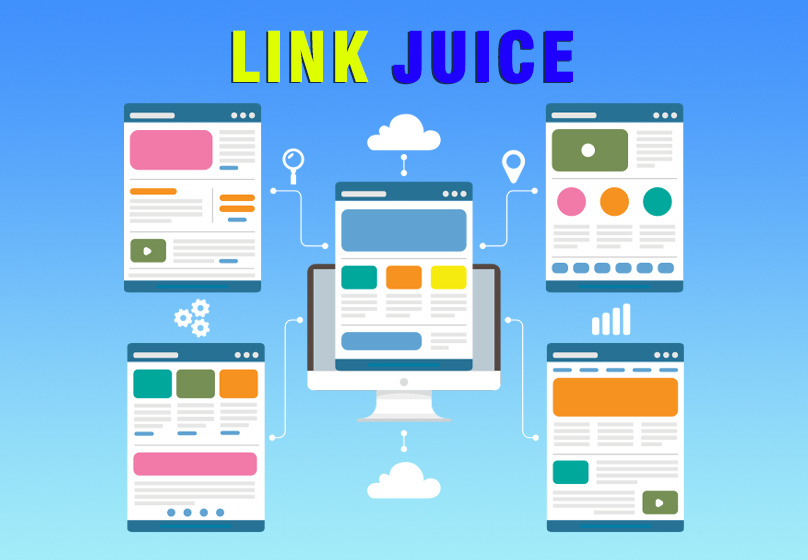
Link Juice refers to the SEO value that one webpage passes to another through hyperlinks. When Page A links to Page B, Page B receives a portion of Page A’s authority, which helps enhance its credibility and improve its ranking on search engines.
Link Juice plays a crucial role in SEO because it allows a page to gain trust from other websites. Pages that receive high-quality Link Juice are more likely to achieve higher rankings on Google and appear more trustworthy to users.
II. How Link Juice Works
1. Basic Principle
Link Juice flows from one page to another through internal links (within the same website) and external links (from other websites). When one page links to another, it “transfers” a portion of its authority and SEO value to the destination page. This is why building a well-structured link system—both internally and externally—is essential in SEO.
2. The Difference Between Dofollow and Nofollow Links
- Dofollow: This is the default type of link. When Page A links to Page B using a dofollow link, all or part of the Link Juice is passed to Page B, helping boost its authority and search ranking.
- Nofollow: This type of link includes the attribute rel="nofollow". It does not directly pass Link Juice to the destination page, but it can still generate traffic and offer indirect SEO value.
3. The Role of Anchor Text
Anchor text is the clickable portion of a hyperlink. Google uses anchor text to understand the context and topic of the page receiving the Link Juice. A well-chosen anchor text that accurately describes the destination content helps maximize the effectiveness of Link Juice and improves keyword rankings.

III. Factors That Influence Link Juice
1. Linking Page Authority
The strength of Link Juice largely depends on the credibility of the linking page. A page with high trust, strong traffic, and quality backlinks will pass stronger Link Juice, helping the linked page improve its rankings more quickly.
2. Number of Links on the Page
Link Juice is divided among all the links on a page. Therefore, if a page contains too many links, the value passed to each destination is reduced, which lowers overall SEO effectiveness.
3. Link Placement
Not all links carry the same weight. Links placed within the main content of an article tend to have higher value than those in the footer or sidebar, as Google considers in-content links more relevant and directly related to the topic.
4. Link Type (Dofollow vs. Nofollow)
- Dofollow: Passes Link Juice directly, influencing the authority and ranking of the destination page.
- Nofollow: Does not pass Link Juice directly, but can still generate traffic and offer indirect SEO benefits.
5. Internal Link
A well-structured internal link system helps distribute Link Juice effectively throughout the website. Important pages should receive more Link Juice from other pages, while less critical pages can receive less. This helps optimize rankings for key pages and enhances the overall user experience.
IV. Why Link Juice Is Important in SEO
- Boosts Page Authority and Domain Strength: Link Juice helps improve the Page Authority of individual pages while simultaneously increasing the Domain Authority of the entire website. When a page receives high-quality Link Juice from trusted sources, Google tends to rank it higher, reinforcing the site’s credibility in search results.
- Improves Keyword Rankings: Pages that receive strong Link Juice are more likely to rank well for target keywords. This is because the links act as signals to Google that the content is valuable and trustworthy.
- Accelerates Indexing: Pages that receive Link Juice from already-indexed sources are more likely to be discovered and indexed quickly by Google bots. This means your new content can appear in search results sooner.
- Supports a Sustainable SEO Strategy: Proper distribution of Link Juice across pages helps optimize both internal and external linking structures. When managed effectively, Link Juice contributes to a solid SEO foundation that supports long-term rankings rather than short-lived spikes.
Read more: What Is Off-Page SEO? Basic Steps to Optimize Off-page SEO
V. 6 Effective Ways to Optimize Link Juice
1. Build High-Quality Backlinks
Prioritize links from reputable websites with relevant content. High-quality backlinks pass stronger Link Juice, helping boost credibility and improve rankings more quickly.
2. Use Relevant Anchor Text
Anchor text should accurately describe the destination page and avoid keyword stuffing. Using natural, context-appropriate anchor text helps Google understand the content and improves Link Juice distribution.
3. Optimize Internal Link
Transfer Link Juice from strong pages to SEO-targeted pages through strategic internal links. A well-organized internal structure ensures balanced value distribution and enhances the ranking potential of key pages.

4. Remove Unnecessary Links
Too many links on a single page will dilute the Link Juice distributed to each destination. To optimize value for important pages, keep only essential links and eliminate any that are redundant or irrelevant.
5. Balance Between Nofollow and Dofollow
Use nofollow to maintain natural linking when you don’t want to pass SEO value, but ensure that important links are set to dofollow so they can effectively transmit Link Juice. This balance helps preserve site credibility while avoiding spam penalties.
6. Monitor and Audit Links Regularly
Check for and remove broken links to prevent Link Juice loss. Ensuring all links are functional and lead to relevant content helps maintain stable and sustainable SEO value across your site.
VI. Common Mistakes to Avoid When Optimizing Link Juice
1. Link Spamming or Unnatural Link Exchanges
Creating excessive forced links or participating in unnatural link exchange networks can lead to Google penalties, diminishing Link Juice and negatively impacting SEO performance.
2. Neglecting Internal Link Optimization
Even if a page has strong backlinks, a messy internal structure can prevent Link Juice from being effectively distributed to key pages. Internal linking must be optimized to ensure value flows evenly.
3. Focusing Only on Backlink Quantity, Ignoring Quality
Chasing large numbers of backlinks without proper filtering can scatter Link Juice and reduce the perceived trustworthiness of your site in Google’s eyes.
4. Failing to Check Broken Links Regularly
Broken links cause Link Juice to leak and degrade user experience. Regular audits and repairs help preserve SEO value and ensure smooth navigation.
5. Overusing Exact Match Anchor Text
Using too many anchor texts that exactly match target keywords can trigger Google’s spam filters and lead to ranking penalties. Anchor text should be natural, varied, and contextually appropriate.
VII. Conclusion
Link Juice plays a critical role in SEO—it boosts site authority, improves keyword rankings, and accelerates indexing by Google. Optimizing Link Juice is a long-term strategy that requires a combination of high-quality backlinks, well-structured internal linking, and regular link monitoring to prevent value loss.
To enhance your SEO performance, assess the current state of Link Juice on your website and implement appropriate optimization measures. This ensures your site receives maximum value from its links and maintains stable rankings across search engines.

Table of Contents