Loading Table of Contents...
Total Online Marketing Services: Comprehensive Solutions For Businesses
Quick Summary
Collapse
Comprehensive online marketing services help businesses build their brand, reach target customers, optimize costs, boost sales, and maintain a competitive edge
Nowadays, customers spend the majority of their time on the Internet searching for information and shopping. Without an online presence, businesses risk losing valuable opportunities to reach potential customers, allowing competitors to take the lead. This has become a major obstacle for many companies in building their brand and expanding their market.
That’s why comprehensive online marketing services are considered a complete and strategic solution for businesses. Instead of focusing on individual channels such as running ads or writing content, this service integrates all marketing platforms into a unified approach, from planning to execution. With this level of synchronization, businesses can not only reach customers more effectively but also lay a strong foundation for sustainable growth.
This article will help you better understand the concept, components, implementation process, and the practical benefits that comprehensive online marketing services bring to businesses.
I. What Is Comprehensive Online Marketing?
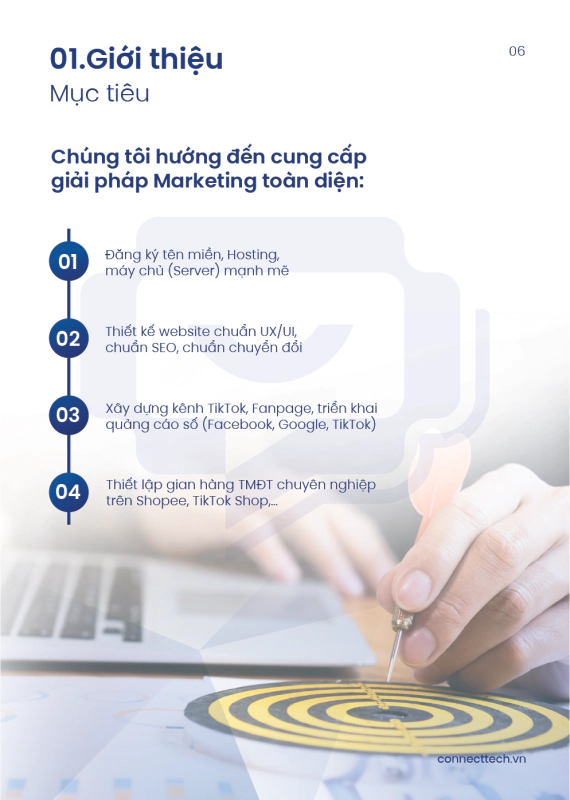
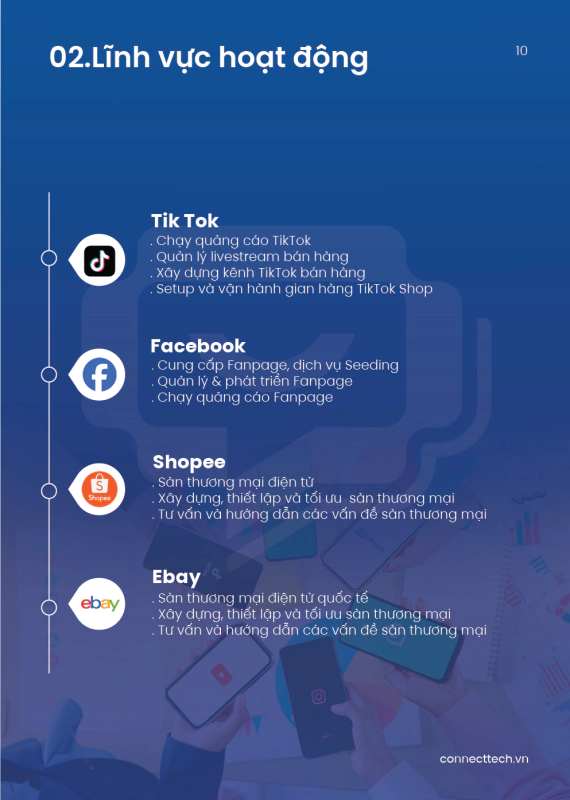
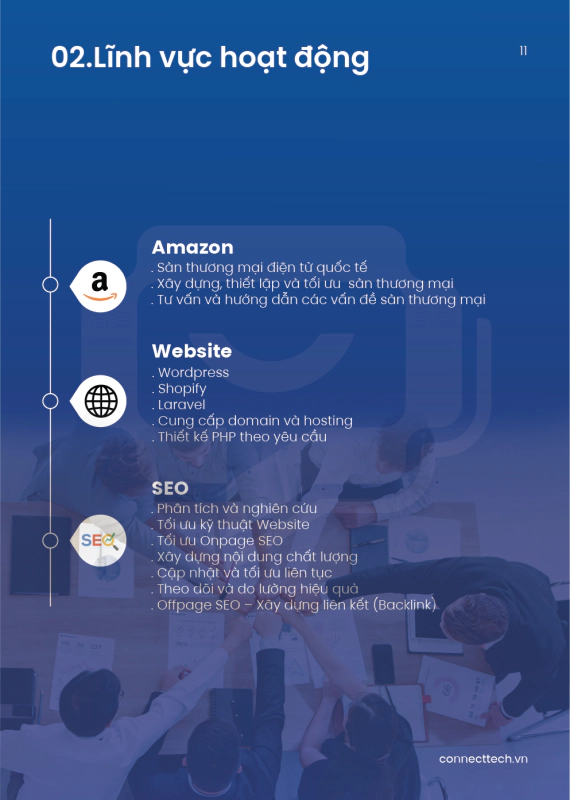
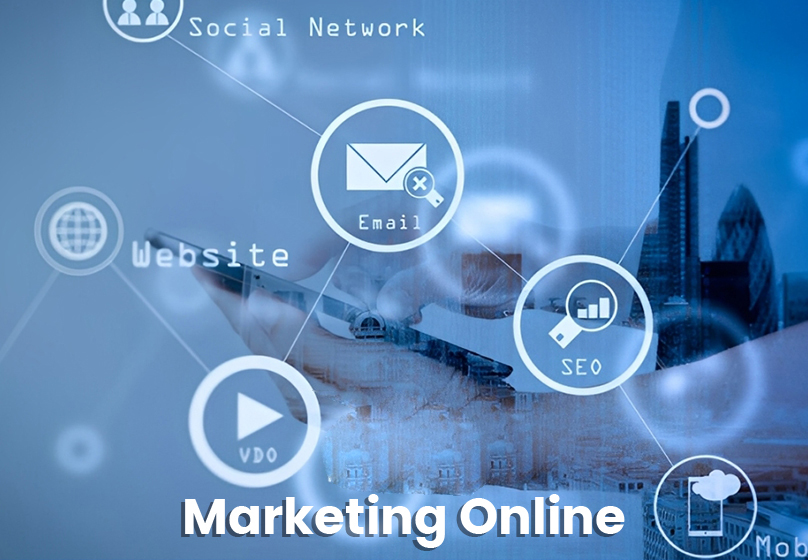
Comprehensive online marketing is a solution that helps businesses implement a unified strategy across multiple digital channels such as SEO, multi-platform advertising (Facebook, Google Ads, TikTok Ads), content marketing, website design, and social media management. This approach builds a well-structured brand ecosystem that enhances brand awareness, attracts potential customers, and drives sales—rather than relying solely on fragmented advertising campaigns.
This method allows businesses to save costs while making the most of available resources. More importantly, it creates a clear and professional brand image, helping businesses become more recognizable, reach the right audience, and gradually increase revenue in a sustainable way.
II. Key Components of Comprehensive Online Marketing
A comprehensive online marketing strategy does not focus on a single channel, but rather combines various tools and platforms. Each component plays a distinct role, but when coordinated effectively, they create a synergistic impact that maximizes business performance.
1. SEO (Search Engine Optimization)
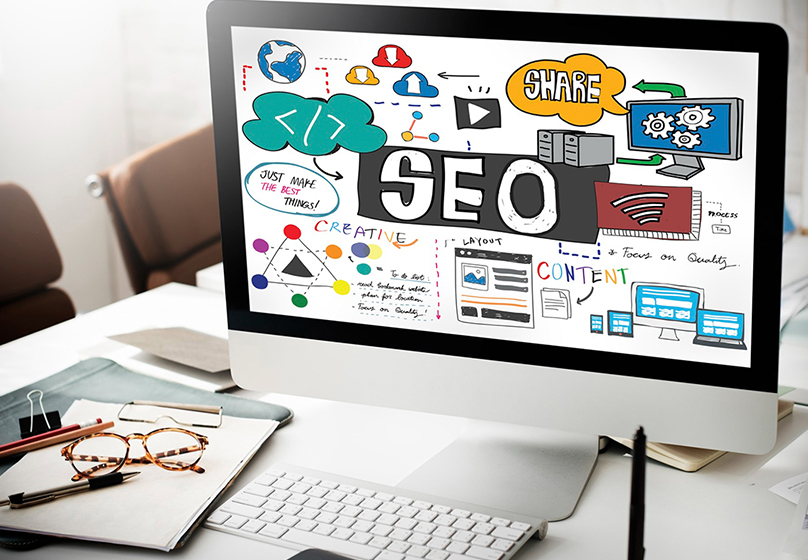
SEO is a crucial foundation that enables businesses to appear naturally on Google. When a website is optimized in terms of content, structure, and loading speed, its search rankings improve, bringing in a steady and long-term stream of potential customers. Typically, SEO focuses on three main areas: On-page SEO, Off-page SEO, and Technical SEO.
2. SEM / Online Advertising
Paid advertising channels such as Google Ads, Facebook Ads, and TikTok Ads allow businesses to quickly reach their target audience. The biggest advantage is delivering immediate results and making performance easy to measure.
3. Content Marketing
Content is the key element that connects a brand with its customers. Through blogs, videos, infographics, or case studies, businesses can share valuable insights, build trust, and help customers make informed purchasing decisions.
4. Social Media Marketing
Social media is where businesses directly engage with their audience. Managing and growing platforms like Facebook, TikTok, Instagram, and LinkedIn helps increase interaction, build communities, and strengthen brand identity.
5. Email Marketing
Email remains a highly effective tool for customer care and remarketing. From welcome emails and abandoned cart reminders to regular newsletters, each message plays a role in maintaining engagement and encouraging purchases.
6. Affiliate Marketing & Influencer Marketing
Partnering with publishers, KOLs, or KOCs helps brands expand their reach. This is a fast way to increase visibility and leverage the credibility of influencers.
7. Mobile Marketing
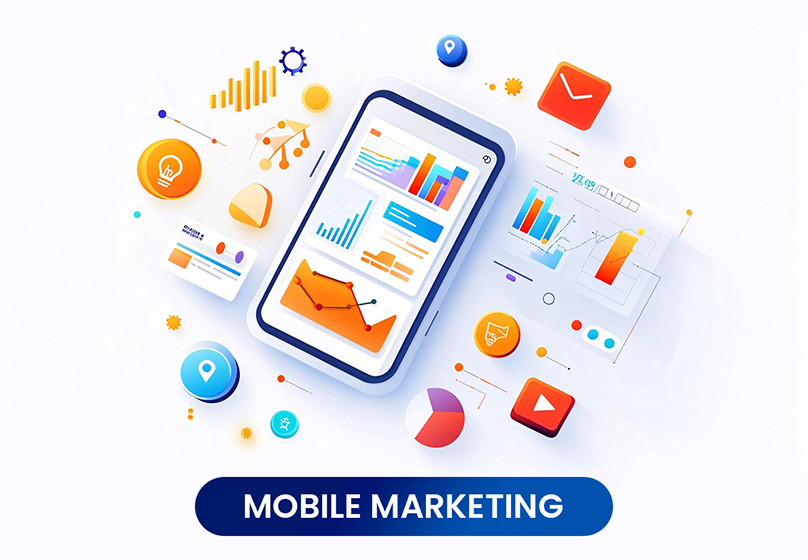
With mobile usage becoming increasingly common, mobile marketing has become an essential channel. Formats like SMS, in-app advertising, and chatbots offer users a convenient and personalized experience on their mobile devices.
III. The Implementation Process of Comprehensive Online Marketing Services
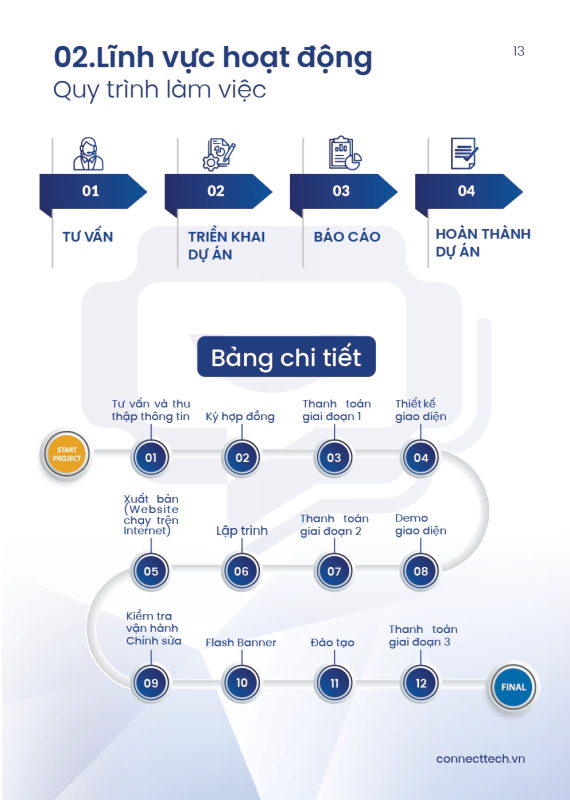
To ensure that comprehensive online marketing delivers real results, businesses need a clear and well-structured implementation process. Each step plays a vital role in building a long-term strategy and optimizing costs.
Step 1: Business Survey & Analysis
The first step is to thoroughly understand the industry characteristics, strengths and weaknesses, as well as the behavior of the target customers. At the same time, analyzing competitors helps identify the business’s competitive advantages.
Step 2: Setting Goals and KPIs
Businesses should define specific goals such as increasing website traffic, generating quality leads, or improving conversion rates. Key performance indicators (KPIs) like monthly traffic, number of leads, or ROI ratio will serve as benchmarks for effectiveness.
Step 3: Developing a Comprehensive Marketing Strategy
Based on the analysis, the marketing team will select core channels (SEO, Social Media, Email, etc.) and build a phased plan. The budget is allocated strategically to ensure both short-term impact and long-term sustainability.
Step 4: Multi-Channel Campaign Execution
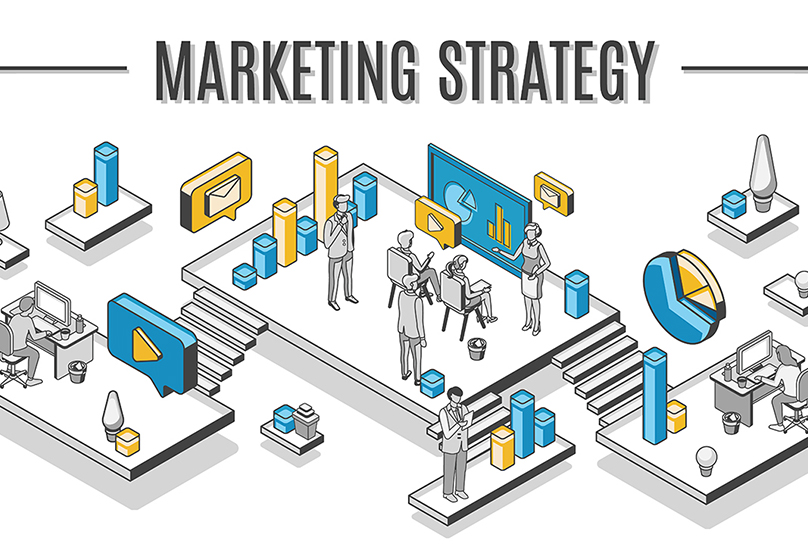
Activities are implemented in a synchronized manner: SEO to build a solid foundation, Ads for quick results, Content to deliver value, and Social Media to boost engagement. This combination helps businesses achieve immediate outcomes while maintaining long-term growth.
Step 5: Measurement & Optimization
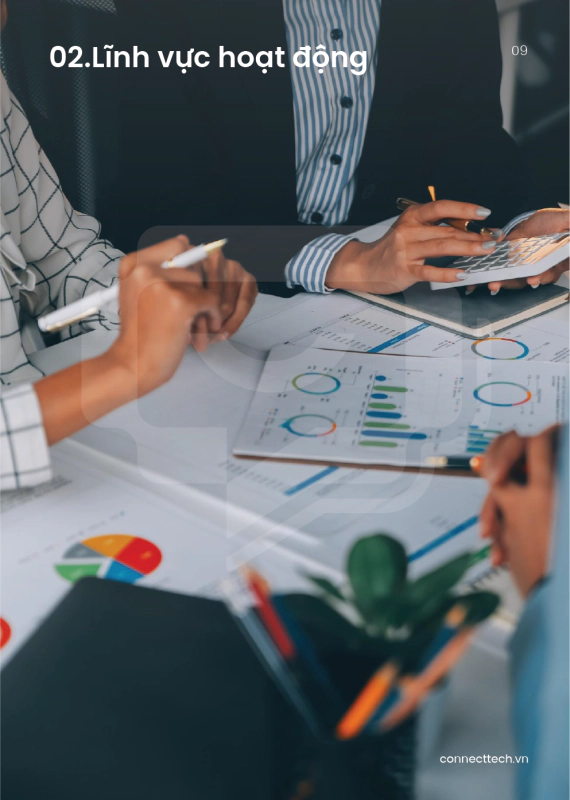
Continuous measurement helps identify which channels perform best. Tools like Google Analytics, Search Console, and CRM support tracking key metrics such as ROI, CPA, and CTR, allowing timely adjustments to the strategy.
Step 6: Reporting & Continuous Improvement
At the end of each phase, businesses receive detailed reports to evaluate performance. Based on the data, campaigns are continuously refined to optimize costs and maintain sustainable effectiveness.
Read more: What is Omnichannel Marketing? Benefits and Practical Strategies
IV. Benefits of Using Comprehensive Online Marketing Services
When applying comprehensive online marketing services, businesses gain practical value across various operational areas, including:
- Reaching the right target audience: Instead of mass advertising, businesses can precisely target customer groups based on behavior, demographics, and interests. This not only reduces costs but also improves conversion rates.
- Building a strong brand: A consistent presence across platforms like Google, social media, and email helps the brand stand out and leave a lasting impression in customers’ minds.
- Saving costs and resources: Without the need to build a full in-house marketing team, businesses benefit from the support of experienced professionals, significantly saving time and expenses.
- Optimizing conversion rates and boosting sales: Through remarketing campaigns and multi-channel customer care, businesses can convert interested users into paying customers and drive sustainable revenue growth.
- Measuring and optimizing performance: All activities are tracked with concrete data, allowing businesses to accurately assess ROI and make timely adjustments.
- Enhancing competitive advantage: The service is always updated with the latest digital marketing trends, helping businesses stay ahead of market changes and maintain a strong position against competitors.
V. Conclusion
Comprehensive online marketing services help businesses build their brand, attract the right customers, increase sales, and maintain a competitive advantage. This is the strategic direction for businesses to grow sustainably in an era where online presence can determine success or failure.
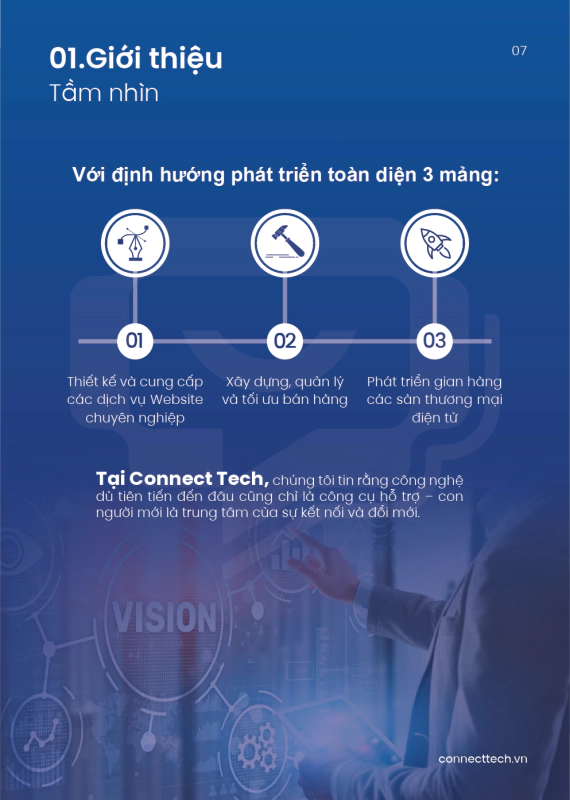
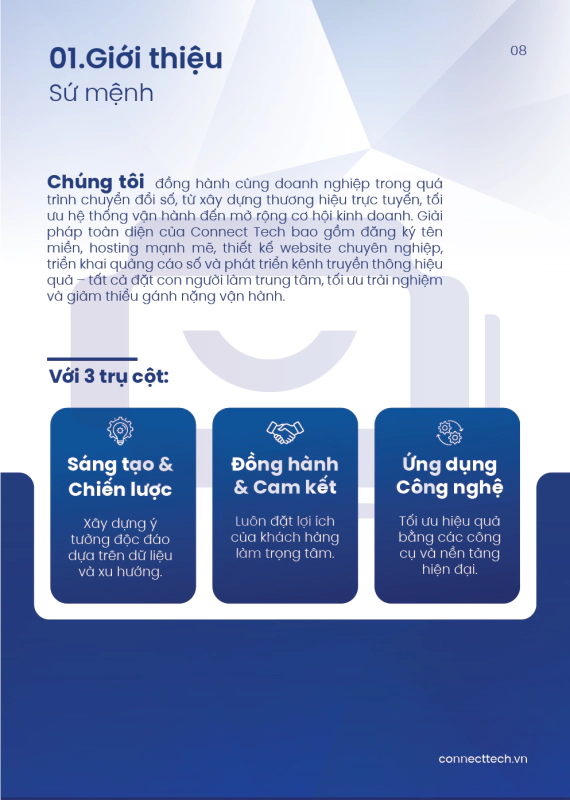
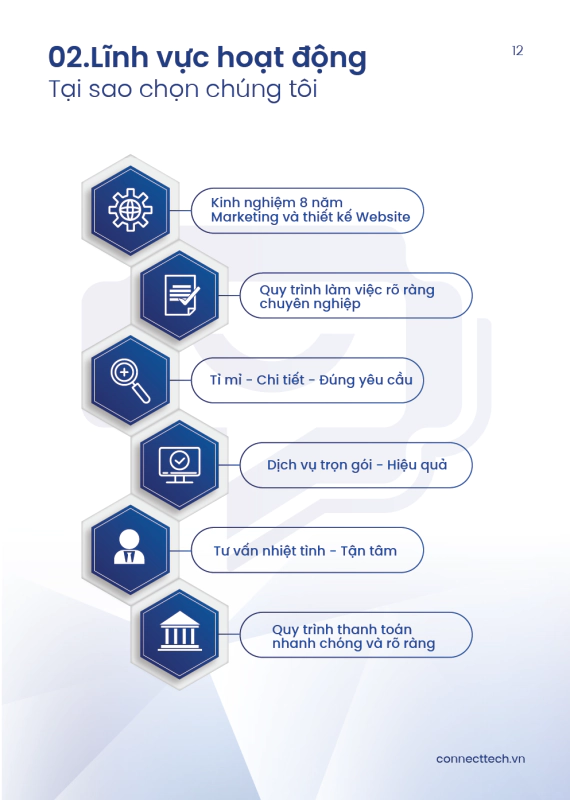
If you’re looking for a reliable partner to accompany your journey, contact Connect Tech today for a free consultation on comprehensive online marketing services.

Table of Contents