Loading Table of Contents...
What is Omnichannel Marketing? Benefits and Practical Strategies
Quick Summary
Collapse
Omnichannel marketing helps businesses reach customers comprehensively, boost revenue, and build a strong, effective brand presence across multiple platforms.
Customer shopping habits are constantly evolving day by day. Businesses that fail to adapt quickly risk being left behind. That’s why omnichannel marketing has become a smart solution for brands to reach customers more effectively.
Customers may encounter your brand anywhere on Facebook, TikTok, email, your website, or even in-store. If these channels are seamlessly connected, they’ll enjoy a consistent experience, while your business gains more opportunities to convert and sell.
So what exactly is omnichannel marketing, what are its benefits, and how can it be implemented successfully? Let’s explore together with Connect Tech in this article.
I. What Is Omnichannel Marketing?
Omnichannel marketing is a strategy in which businesses use multiple channels simultaneously—both online and offline—to reach and engage with customers at every stage of their buying journey.
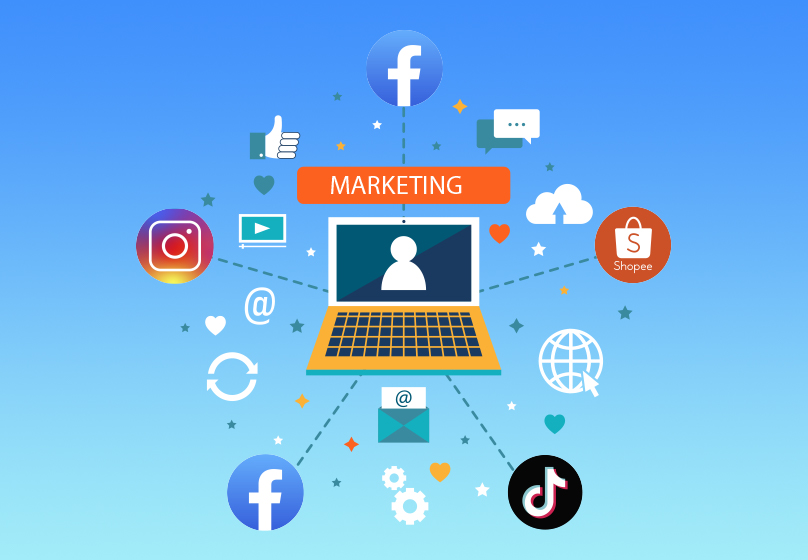
The goal of omnichannel marketing isn’t just to appear across multiple platforms—it’s to deliver a seamless and convenient experience for customers. Whether they begin exploring products on your website, see ads on Facebook, receive promotional emails, or visit your physical store, they should consistently perceive the same brand message and visual identity.
Some commonly used channels in an omnichannel marketing strategy include:
- Website & Blog: The official source of information, attracting traffic through SEO.
- Email Marketing: Nurtures relationships and maintains communication with customers.
- Social Media: Platforms like Facebook, TikTok, Instagram, and Zalo boost engagement and build community.
- PR & Press: Enhances brand credibility and public trust.
- E-commerce Platforms: Shopee, Lazada, Tiki, etc., expand online sales channels.
- Offline Stores: Direct touchpoints that elevate the in-person shopping experience.
II. Benefits of Omnichannel Marketing
Implementing omnichannel marketing brings significant value to businesses, such as expanding customer reach and strengthening brand credibility.
1. Expanding Opportunities to Reach Customers
When a business appears simultaneously across multiple platforms—such as its website, social media, email, or e-commerce marketplaces—the chances of reaching target customers increase dramatically. Frequent presence helps boost brand visibility and leaves a lasting impression in the minds of consumers.
2. Driving Revenue and Profit Growth
Omnichannel marketing goes beyond brand awareness—it actively drives sales. A consistent and unified message across all channels builds customer trust in the brand. That trust is a key factor in improving conversion rates, leading to more transactions. Over time, loyal customers become a stable source of revenue and may even recommend the brand to friends and family.

3. Enhancing Customer Experience
One of the key strengths of an omnichannel strategy is its ability to deliver a seamless experience. A customer might begin their journey by seeing an ad on social media, then explore more details on the website, and finally complete the purchase at a physical store. All these touchpoints are smoothly connected without interruption. Maintaining consistent messaging across channels also helps customers feel that the brand is attentive and understands their needs.
4. Clearly Defining the Target Audience
By leveraging data from multiple interaction channels, businesses gain a more comprehensive view of customer behavior, preferences, and actual needs. This insight supports the optimization of marketing campaigns and enables more accurate strategic decisions in the long term.
5. Building a Strong Brand
Consistency in messaging and visual identity across all channels creates a professional and trustworthy impression. Over time, this helps strengthen the brand’s position in the market and builds a sustainable competitive advantage compared to competitors who only focus on a few isolated channels.
Read more: What is Marketing Service? Popular types of marketing services today
III. How to Build an Effective Omnichannel Marketing Strategy
To successfully implement an omnichannel marketing strategy, businesses need to combine customer insight, channel selection, and technological optimization. Each step in this process contributes to creating a consistent and effective customer experience.
1. Clarify Goals and Target Audience
The first step in any strategy is to clearly define your goals. A business may aim to increase revenue, boost brand awareness, or improve customer service. At the same time, developing a detailed customer profile—including age, interests, behaviors, and preferred channels—will help allocate resources more accurately.
2. Choose the Right Channels
Not every channel needs to be included in the strategy. Instead, businesses should focus on the platforms where their target audience is most active. For example, if the main audience is young people, social media platforms like TikTok or Instagram should be prioritized. On the other hand, for B2B customers, email and LinkedIn tend to be more effective.

3. Creating Consistent Content
An effective omnichannel marketing strategy requires consistency in brand messaging. However, content should not be one-size-fits-all—it needs to be tailored to suit each platform. A blog post on the website can offer in-depth analysis, while a TikTok video should be short and entertaining. Email marketing, on the other hand, should deliver personalized information that meets each customer’s specific needs.
4. Connecting and Managing Customer Data
Data is the key to understanding customers and optimizing campaigns. Businesses should use CRM tools to centralize data from various channels. Analyzing behavior, tracking interaction history, and segmenting customers will make the strategy more accurate and easier to measure.
5. Applying Technology and Automation
Technology plays a vital role in maintaining engagement. Tools like email automation, chatbots, and remarketing not only save time but also ensure customers are reached at the right moment. This is a powerful way for businesses to maintain long-term relationships without relying heavily on manual resources.
6. Continuous Measurement and Optimization
A strategy is only truly effective when it’s monitored and adjusted regularly. Businesses should track key metrics such as website traffic, click-through rate (CTR), and conversion rate. Based on this data, refining content, budget allocation, and media channels will help optimize long-term results.
IV. Real-World Example of Omnichannel Marketing
One of the easiest ways to visualize the effectiveness of omnichannel marketing is by looking at how businesses apply it in practice. These models demonstrate strong integration across platforms, creating a seamless experience for customers.
1. Example from a Fashion Brand
Imagine a fashion brand aiming to reach young customers. They might start by running Facebook Ads to grab attention and drive traffic. When users click the ad, they’re directed to the website to explore and purchase products. Afterward, the brand sends follow-up emails with product recommendations or special offers to maintain interest. Finally, remarketing campaigns on TikTok and Google help the brand reappear in front of the customer, increasing the likelihood of repeat purchases.

2. Example from Restaurants and Fast-Food Brands
In the food and beverage industry, omnichannel marketing also delivers clear results. For instance, a customer might come across an engaging promotional video on TikTok and decide to place an order immediately via a food delivery app. After completing the order, they receive an exclusive offer via SMS or email. When visiting the restaurant in person, the customer can check in and leave a review on Facebook, helping the brand gain wider visibility.
V. Challenges and Considerations in Implementation
Implementing an omnichannel marketing strategy isn’t always smooth. Businesses often face various challenges during the management and execution process.
1. Common Challenges
While omnichannel marketing offers many benefits, it also presents several notable difficulties:
- Fragmented Data Management: Customer information comes from multiple sources, making it hard to analyze behavior and optimize campaigns.
- Limited Resources: Omnichannel marketing requires significant time, budget, and personnel. Without proper preparation, businesses can easily become overwhelmed.
- Inconsistent Content: Managing multiple channels can lead to duplicated or inconsistent messaging, reducing communication effectiveness.
2. Key Considerations for Implementation
To overcome these challenges and maximize the benefits of omnichannel marketing, businesses should keep the following principles in mind:
- Select the Right Channels: It’s not necessary to be present on every platform. Instead, focus on the channels where your target audience is most active.
- Maintain Brand Consistency: Whether on your website, social media, or email, your brand’s message and visual identity should be delivered consistently.
- Invest in Data Management Tools: Use CRM systems or analytics platforms to centralize data, analyze behavior, and optimize campaign performance.
- Keep the Customer at the Center: Every activity should aim to deliver a seamless, convenient, and memorable experience for the customer.

VI. Conclusion
It’s clear that omnichannel marketing is no longer just a trend—it has become a strategic solution for businesses to reach customers in a holistic and meaningful way. When executed properly, this approach not only boosts revenue but also helps build a resilient brand presence in the minds of consumers.
However, success requires a well-defined, synchronized, and flexible strategy that can adapt to market shifts. Instead of trying to be everywhere at once, businesses should start by deeply understanding their customers, selecting the most relevant channels, and leveraging technology to maximize efficiency.
When applied methodically, omnichannel marketing becomes a powerful “key” that enables businesses to not only increase profitability, but also foster long-term customer loyalty and engagement.

Table of Contents