Loading Table of Contents...
The Different Types of Backlinks in SEO: How to Tell Good from Bad
Quick Summary
Collapse
Explore common types of backlinks, learn how to distinguish good from bad links, and discover effective backlink strategies with Connect Tech. A complete and easy-to-understand guide.
If you're looking for a way to improve your website's ranking on Google, backlink is definitely a concept you can't overlook. But what exactly is a backlink, why is it so important, and which types of backlinks should you use or avoid?
In this article, Connect Tech will help you fully understand every aspect of backlinks, from foundational theory to practical strategies. Let’s start your journey to mastering this vital SEO factor!
I. What is a backlink?
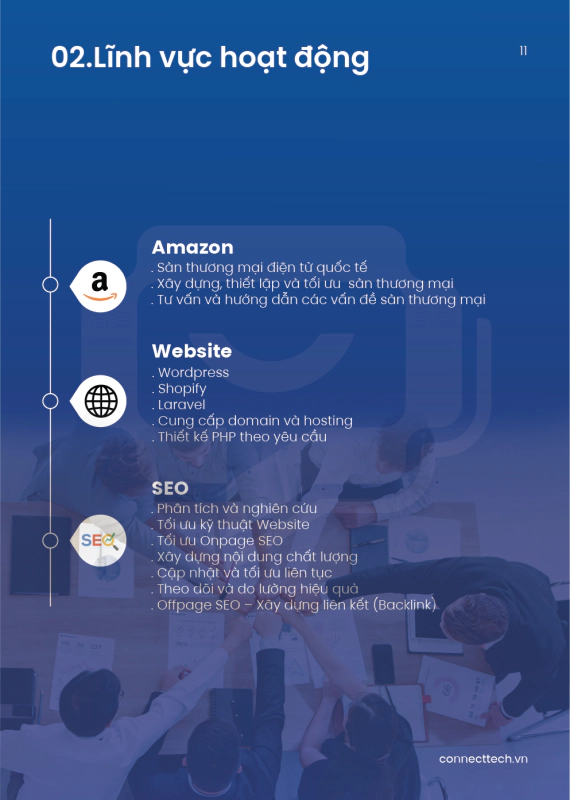
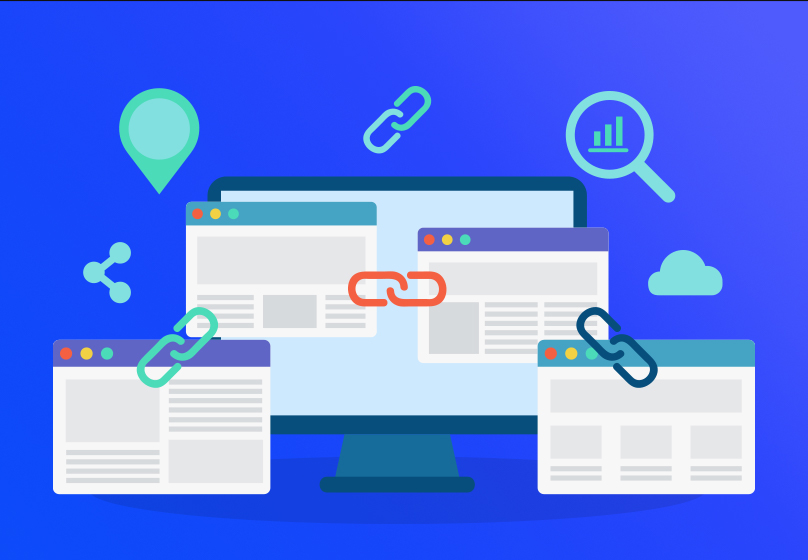
A backlink is a link from another website that points to your own. It is considered one of the most important factors in SEO Offpage, as it helps improve your website’s authority and rankings on search engines. Each quality backlink acts like a vote of confidence, signaling to Google that your content is trustworthy and valuable to users.

II. Why are backlinks important for SEO?
Backlinks aren’t just ordinary links; they act as “trust signals” between websites. Google and other search engines use backlinks as a criterion to assess a website’s credibility and relevance.
When a trustworthy website links to yours, it's a vote of confidence that your content has value. These backlinks enhance trust, improve keyword rankings, and attract more organic traffic.
Additionally, backlinks impact how Google “discovers” your website. If your new site gets a link from a well-known domain, search engines will more easily find and index your content faster.
However, if you build backlinks incorrectly, such as buying bulk links from unrelated sources, the consequences can include ranking drops or even penalties. Therefore, backlink building must be done with care and strategy.
III. Types of Backlinks: Common Classifications
Backlinks aren’t one-size-fits-all. They can be classified based on technical attributes, creation methods, or source origin. Here are some typical categories you should know:
1. DoFollow and NoFollow
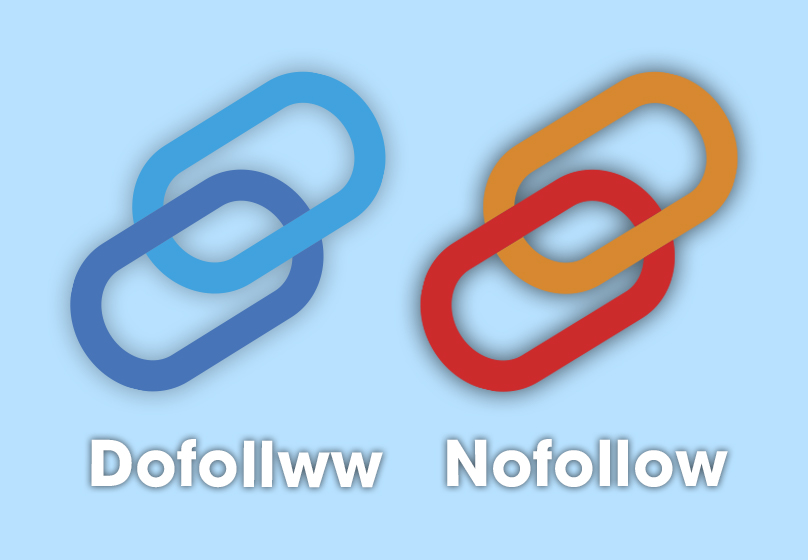
- DoFollow backlink: This type of link passes SEO value from the source site to the destination site. When a website includes a DoFollow backlink to yours, it can help improve your Google ranking. This is the most prioritized type of backlink in SEO.
- NoFollow backlink: In contrast, NoFollow links use the rel="nofollow" tag, telling search engines not to pass SEO value. However, they can still bring traffic and contribute to link diversity strategies.
2. Based on Placement
- Contextual Link: These are backlinks embedded within article content, usually considered natural and highly relevant.
- Links from headers, footers, or sidebars: Though these appear across multiple pages, they may be seen as unnatural if repeated excessively.
3. Based on Creation Method
- Natural Link: Links that others create spontaneously because your content is valuable, without any request or intervention from you.
- Manual Link: Backlinks you actively build through posting, email outreach, content exchange, etc.
- Self-created Link: Links you create on forums, personal profiles, blog comments… These are easily flagged as spam if not managed properly.
IV. Recommended Backlink Types for SEO
When building backlinks, quality and relevance matter more than quantity. Below are the types of backlinks SEO experts recommend using:
1. Backlinks from authoritative websites
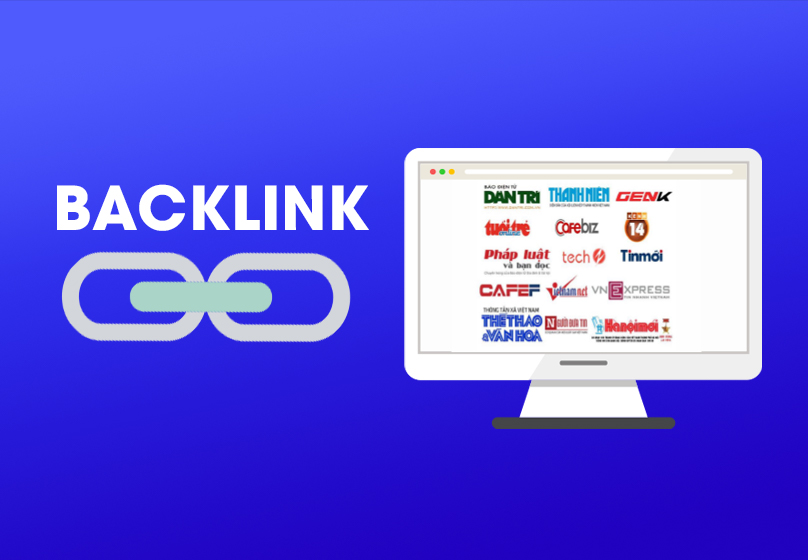
If your website receives links from leading names in your industry (reputable news outlets, expert blogs), the SEO value is significant. These backlinks transmit authority and enhance your brand image.
2. Backlinks from relevant content
Google highly values topical relevance. A backlink from an article in the same niche (e.g. web design – UI/UX optimization – SEO) will score much higher than links from unrelated content.
3. Contextual Links from guest posts
Writing guest articles on other websites and placing natural backlinks within the content is an effective method for earning high-quality links. This helps you expand your audience and boost credibility in Google’s eyes.
4. Backlinks from educational or government sites (.edu, .gov)
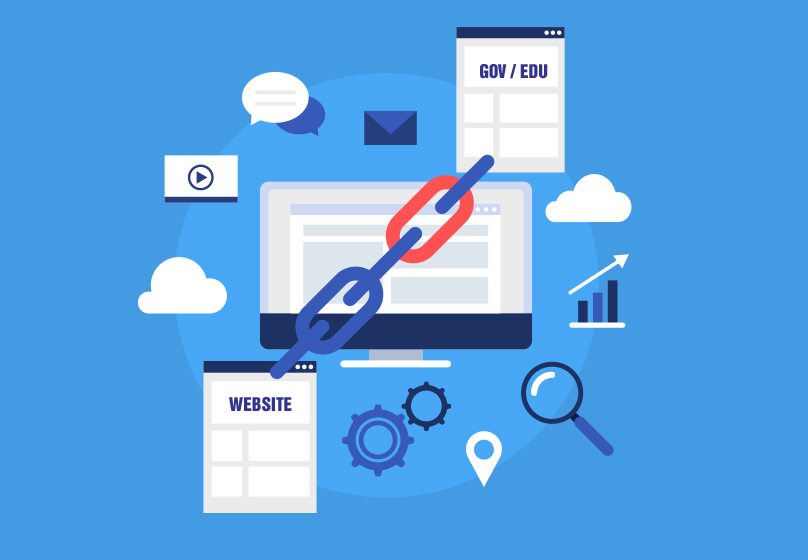
.edu and .gov domains are generally considered highly authoritative. If you can secure a backlink from one of these sources, it provides a significant SEO advantage.
V. Backlink Types to Avoid
Not all backlinks help you rank better. Some links, if not properly managed, can put your website at risk with Google’s algorithms.
1. Backlinks from spammy or low-quality sites
Sites with duplicate content, poor quality, or associated with restricted industries (gambling, adult content, scams...) are often flagged as toxic. Receiving backlinks from these sources can negatively affect your entire site.
2. Mass paid links
Buying large volumes of backlinks from shady private blog networks (PBNs) can get you flagged by Google for manipulating algorithms. Instead of boosting rankings, these links could land your site on the blacklist.
3. Hidden backlinks
Some tactics attempt to conceal links (e.g. using tiny font, same color as background, or hiding behind images) to trick Google. However, modern algorithms can detect these tricks, leading to serious credibility loss.
VI. Conclusion
Building backlinks is a long-term process that requires both strategic thinking and proper SEO techniques. By understanding the types of backlinks, leveraging high-quality links, and avoiding harmful ones, your website can achieve sustainable results on Google.
Remember, there’s no one-size-fits-all formula for effective backlink creation. Each industry and website needs a tailored approach. Whether you're a beginner or experienced, investing properly in backlinks is always the right choice.
Connect Tech – Your Trusted Partner in SEO Strategy
Looking for a reliable team to help you build safe, effective backlinks tailored to your industry? Connect Tech is proud to offer comprehensive SEO services—from onpage optimization, SEO content writing, to implementing smart backlink systems that help your site rank higher sustainably. Contact us today for a personalized SEO strategy consultation—because we believe every quality link opens a real growth opportunity

Table of Contents