Loading Table of Contents...
Art Website Design: Turning Artwork into a Vivid Experience
Quick Summary
Collapse
Art website design helps showcase artworks, optimize SEO, improve user experience, and turn visitors into real buyers for artists and galleries online in 2026.
Many artists, studios, and galleries own beautiful works, yet their websites load slowly, have confusing layouts, low quality images, fail to convey artistic spirit, and generate almost no leads. Visitors come, look, then leave without submitting contact information, booking exhibitions, or purchasing artworks. This is a very common problem when art website design lacks clear experience orientation and conversion strategy.
A well invested art website will display artworks in high quality, tell the brand story clearly, evoke emotions, and turn visitors into real customers. This article will help you understand the essential elements of art website design, 2026 trends, costs, and how to choose the right design agency to build an online platform that is both visually impressive and commercially effective.
I. Key Elements in Art Website Design
To make an art website a true medium for conveying artistic value and at the same time an effective lead generation tool, the following elements are essential:
- High aesthetic interface
The website must reflect artistic spirit through color schemes, layout, and typography. This is the first factor that creates a strong impression on visitors.
- Optimized loading speed
An art website may look beautiful, but if it loads slowly, users will leave immediately. Images and code must be optimized to ensure smooth performance. - Responsive design
Art website design must be compatible with all devices, from desktop to mobile, allowing users to enjoy artworks anytime and anywhere. - Onpage SEO optimization
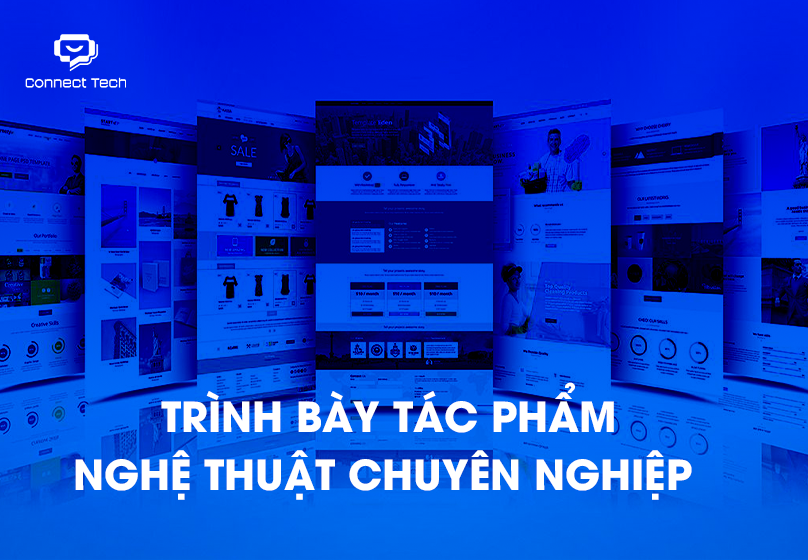
Integrate the main keyword, optimize meta tags, headings, and content so the website can rank well on Google and reach the right target audience. - Professional artwork presentation
Images should be sharp, with zoom or slideshow features so viewers can observe details. This is how artworks are transformed into a vivid visual experience.
- Interactive and contact features
Contact forms, live chat, or appointment booking help businesses connect easily with potential clients and increase conversion rates. - Security and easy management
An art website must not only be visually appealing but also secure, with an admin system that allows easy updates of content and new artworks.
II. Art Website Design Trends in 2026
In 2026, art website design continues to evolve toward enhancing visual experience, optimizing conversions, and strengthening emotional interaction with viewers. Below are the key trends that artists, studios, and galleries should follow to elevate their art websites.
1. Showcasing artworks with 3D and AR interaction
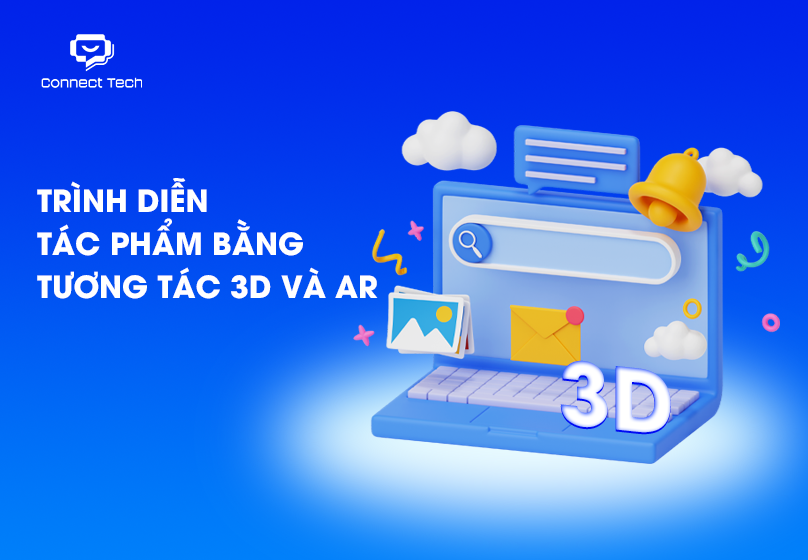
3D and Augmented Reality (AR) technologies allow viewers to rotate, zoom in, or place artworks into real spaces via their smartphone cameras. This trend helps art website design move from flat images to near real life experiences, increasing on page time and conversion potential.
2. Immersive storytelling presentation
Viewers do not only look at artworks but also follow the artist’s creative journey. Storytelling through images, short videos, artistic typography, and harmonious colors creates continuous emotional flow while scrolling, improving engagement and retention.
3. Superior loading speed and mobile optimization
Art website design trends in 2026 focus strongly on performance, even with large images and high-quality videos. Techniques such as lazy loading, WebP, and adaptive images ensure fast and smooth display on all devices, helping retain visitors.
4. Personalized user experience
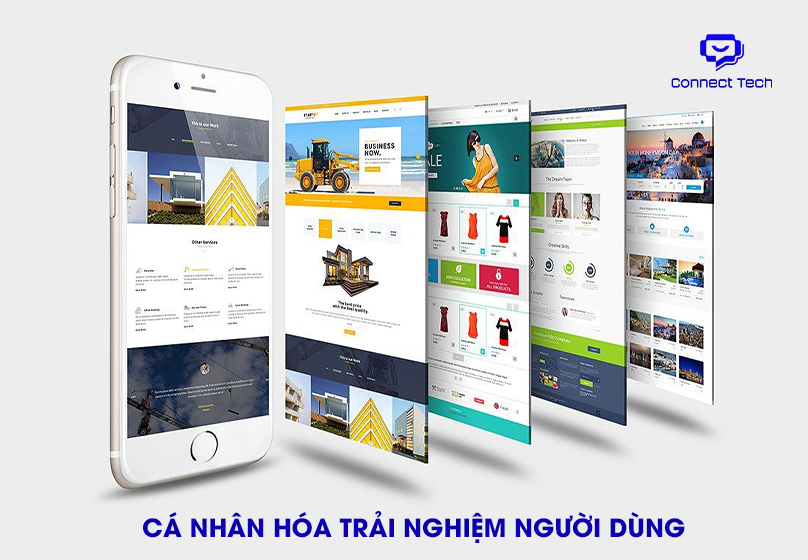
Behavior data is used to recommend artworks that match users’ interests and previous viewing styles. Personalization makes each visitor feel that the art website is designed specifically for them, increasing interaction and conversion rates.
5. Integration of e commerce and booking features
Purchasing artworks directly on art websites is becoming increasingly popular. Secure payment, shopping cart, studio visit booking, and online event registration are seamlessly integrated to turn traffic into real transactions.
6. SEO optimization with specialized keywords
To increase visibility on Google, art website design in 2026 prioritizes structured data and keyword optimized content such as artwork names, styles, materials, collections, and compelling titles. This helps attract users searching for galleries, paintings, and online exhibitions.
III. Cost and Choosing an Art Website Design Agency
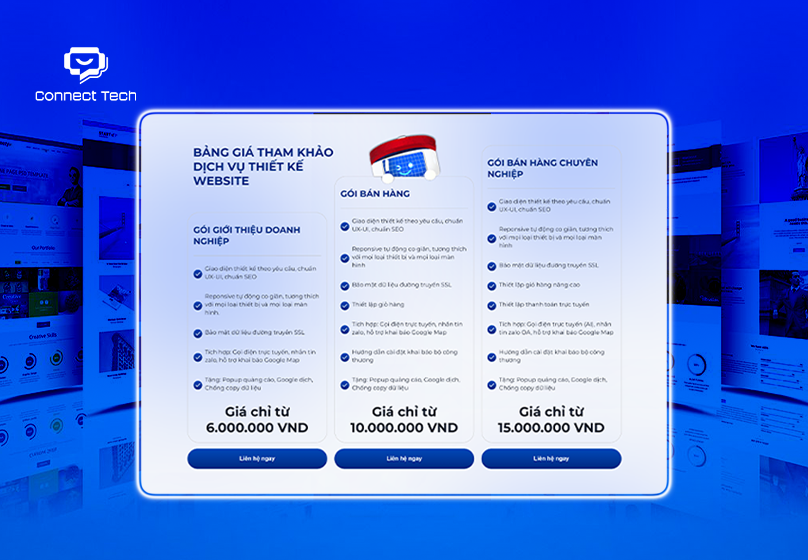
The cost of art website design can range from basic to premium. Basic packages suitable for new artists and small galleries may start from a few million VND when using optimized templates. For fully customized art websites with advanced features, the investment can be significantly higher. It is important to balance the budget with business goals to choose the most suitable package. Below is the detailed pricing table of three packages at Connect Tech, presented in image format.
Criteria for choosing a design agency
- Industry experience: An agency with experience in art website design for artists and galleries will better understand your specific requirements.
- Quality portfolio: Review completed projects to evaluate aesthetics, loading speed, and user experience.
- Post handover support: Long term technical support, content updates, and maintenance ensure stable operation.
- Transparent pricing: Clear quotations for each item help you compare and make informed decisions.
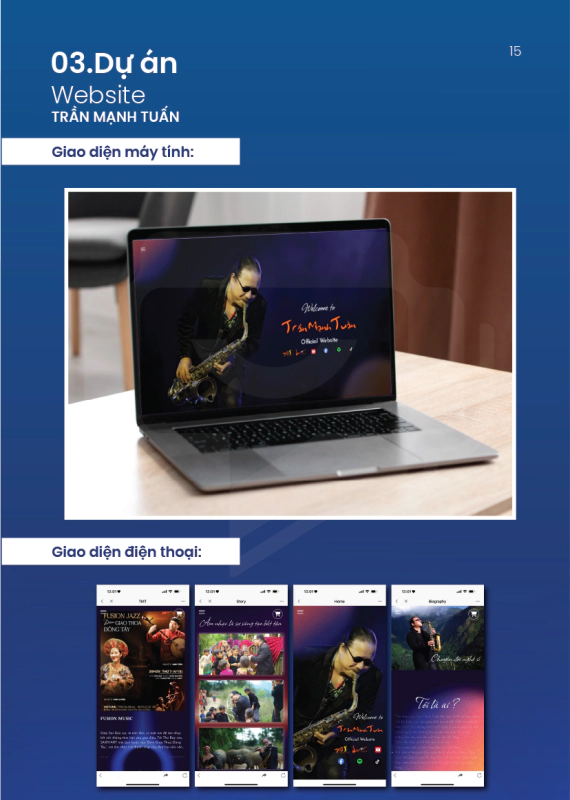
If you are looking for a partner that meets all these criteria, Connect Tech is a strong option to consider. With experience in SEO optimized art and music website design and a strong focus on conversion, Connect Tech supports you from concept consulting to feature development, ensuring your website is not only visually impressive but also commercially effective. Contact Connect Tech today for consultation and a quotation tailored to your actual needs.
IV. Conclusion
Art website design is not just about creating a beautiful interface, but about building a digital space that fully expresses the value of artworks, the artist’s style, and the ability to connect with customers. When a website is properly invested in terms of experience, imagery, content, and SEO standards, artworks are not only displayed but also reach the right audience, meet the right needs, and are converted into real revenue.
Choosing a professional partner to accompany you in art website design will help save time, optimize costs, and provide a strong online platform for long-term sustainable development of your art brand.
Related Article:

Table of Contents