Loading Table of Contents...
What Is an Entity? How to Implement Entity to Improve SEO
Quick Summary
Collapse
What is an entity, and what role does it play in SEO? This article provides a detailed guide on correctly understanding Entities,and 5 steps to optimize content based on entities to improve rankings.
When writing content for a website, many people often focus only on keywords, catchy titles, or word count. However, there's an increasingly important factor in SEO – Entity.
If you've never heard of this concept before, don’t worry! In today’s article, Connect Tech will walk you through what an Entity is, why it's considered the way Google interprets the world, and how you can apply it effectively to your content – even without technical expertise. Step by step, we’ll explain in simple terms, with concrete examples, so anyone can apply it right away to their blog, service page, or any content you're building.
I. What Is an Entity? Understanding the Core for Better SEO
1. Definition
In the world of SEO, an Entity is a crucial concept that’s often misunderstood or too abstract for beginners. Simply put, an Entity is anything that can be clearly identified: a person, place, event, organization, concept, product...
Examples:
- “Soobin Hoang Son” is a person → Entity.
- “Hoi An” is a location → Entity.
- “Artificial Intelligence” is a concept → also an Entity.
- Even “International Women’s Day – March 8” is considered an Entity because it holds independent value and is distinguishable from other concepts.
2. How Does Google Understand Entities?
Today, Google no longer just reads individual keywords in your content. Instead, the search engine tries to understand content the way humans think: who or what are you referring to, what’s the context, and how do these elements relate to one another?
Real-life example:
When you type “Apple” into Google, the results may refer to the fruit or to Apple Inc. Depending on the surrounding content, title, images, or related keywords, Google will automatically determine what you’re actually talking about.
Search for “VinFast” and Google will show brand information, CEO, social media, product images... because VinFast is a clearly established Entity.
That’s when understanding context + relationship between Entities becomes key for Google to assess whether your content is valuable.
II. Why Are Entities Important in Modern SEO?
1. Helps Google Understand Your Content Accurately
When you mention a topic with a clear Entity, such as “ChatGPT” or “Hoi An travel”, Google will not only understand what your article is about but also evaluate how relevant the Entities are within the content. The more well-defined relationships you provide → the higher your chances of ranking.
2. Builds a Strong Content Foundation
Rather than chasing after keywords, creating content centered around a specific Entity helps you:
- Write content with a clear direction
- Connect related topics like a topic map
- Build a deeper and more coherent content system
3. Expands Your Visibility on Google
Entities don’t just improve keyword rankings. They also open doors for you to appear in:
- The Knowledge Panel on the right side of search results
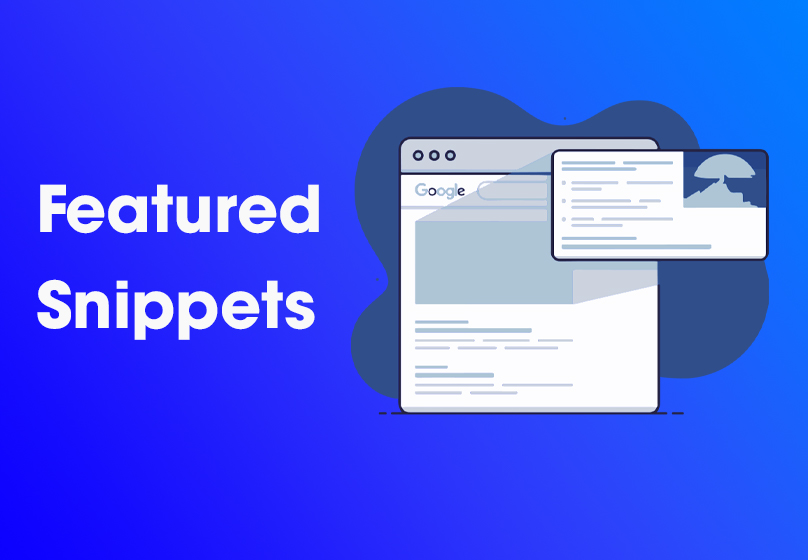
- Featured Snippets at the top of the page
- Google Maps or Local Pack (for local SEO)
- People Also Ask and Related Searches sections
III. How to Build Entity SEO for Your Website (Step-by-Step Guide)
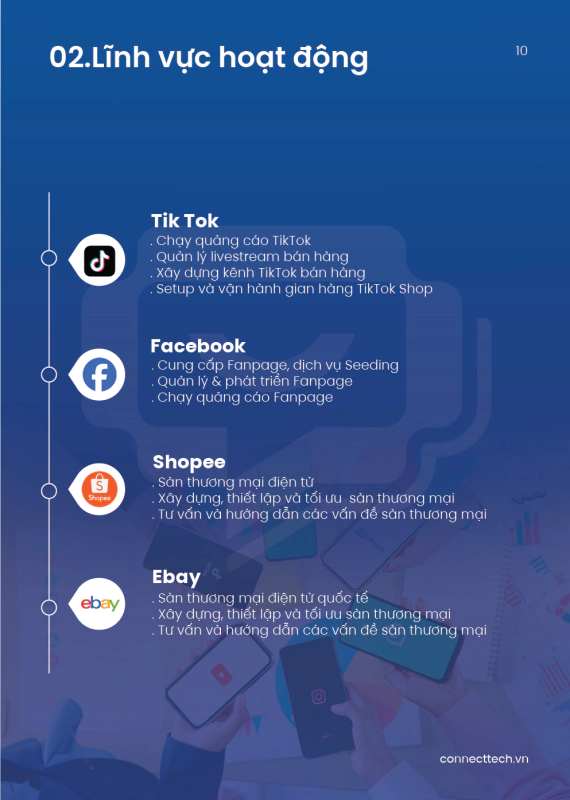
Understanding what an Entity is just the beginning. The key is applying it effectively to your content and website structure. Below are 5 practical steps from Connect Tech's SEO experience across multiple projects:
1. Synchronize Business or Personal Information Across the Internet
One foundational step in Entity SEO is ensuring your identity information is consistent and clear. Check and update the following across all platforms:
- Business/Brand Name
- Logo
- Address and phone number
- Social media profiles (Facebook, LinkedIn, TikTok, etc.)
Pro Tip:
Create a Google Business Profile, register in local directories (Local Citations), and use tools like Namechk to verify the consistency of your social branding. These signals help Google recognize you as a trusted Entity.
2. Optimize Content with Semantic SEO
If you only write with keywords in mind, Google might understand, but not necessarily get the full picture. That’s why the next step is to implement Semantic SEO, meaning optimizing content based on meaning, not just keywords.
You should:
- Use related keywords (LSI) connected to your main Entity
- Interlink content to create tightly themed topic clusters
- Avoid shallow, repetitive, or disjointed content
Recommended Tools:
- TextRazor: Analyze entities within your content
- LSI Graph: Suggest relevant LSI keywords
- NLP APIs (Google or IBM Watson): Check for semantic relevance
3. Use Schema Markup
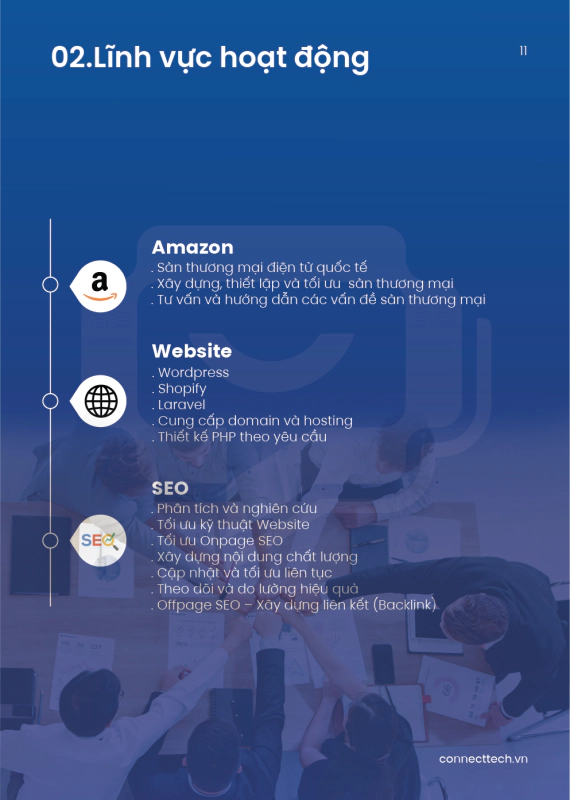
Schema Markup is code that helps Google understand your content directly and clearly. Instead of guessing what your content is about, Google is guided explicitly. You should implement common schemas like:
- Organization: describe your business
- Person: if you’re building a personal brand
- Article: for blogs or news content
- LocalBusiness: for local SEO
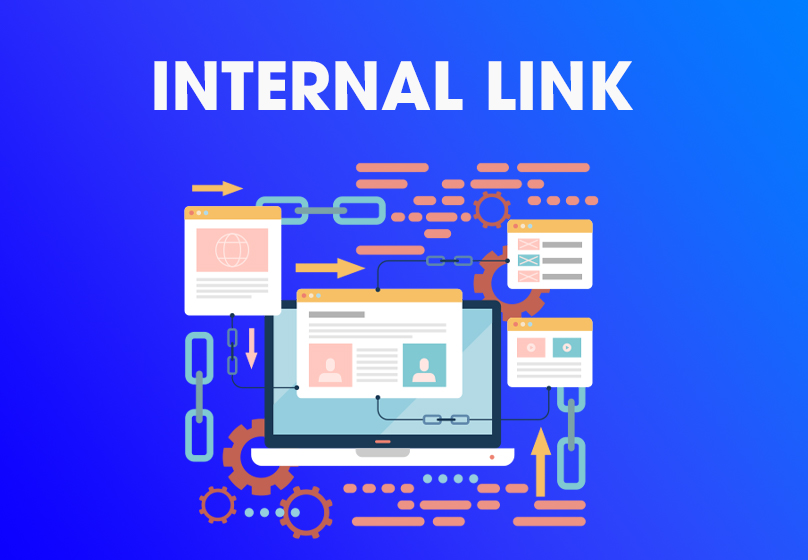
4. Create Internal Links Around the Main Entity
Internal linking isn't just for navigation – it helps Google understand your content structure and how entities relate.
Tips:
- Choose natural anchor text that hints at the content
- Avoid overusing identical anchor text
- Build topic clusters to strengthen semantic connections
5. Distribute Content Across Social Media and Reputable Sites
Google doesn't only look at your website – it also analyzes how your content spreads across social networks and reputable platforms. These are indirect trust signals, helping Google verify that your Entity is real, reputable, and engaged.
You can:
- Share your articles on Facebook, LinkedIn, Quora, Medium
- Submit content to professional communities
- Create podcasts, videos, or interviews related to your Entity
IV. Conclusion
After walking through this article, we hope you now have a clearer understanding of what an Entity is, how it works, and why it’s a core element in modern SEO strategies. Gone are the days of keyword-only optimization – SEO today demands that Google understands what you're saying, who you're saying it to, and what value it provides. That’s the role of Entity.
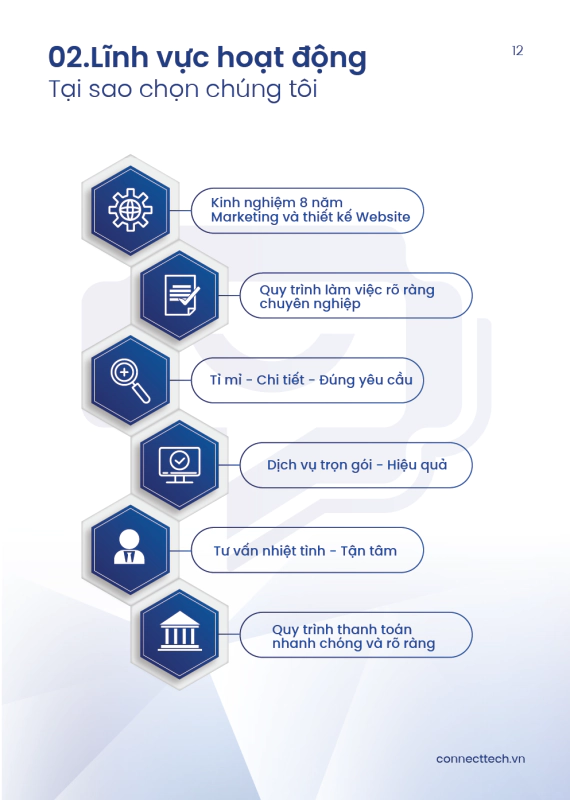
Not sure where to start with implementing Entity SEO for your site? Let Connect Tech help! With extensive experience in SEO-friendly website design and semantic content optimization, our team will help you build a strong Entity foundation to boost your rankings and online brand presence.
Visit connecttech.vn or call 0773 175 996 for a personalized SEO consultation tailored to your business.

Table of Contents