Loading Table of Contents...
What is Affiliate Marketing? How to Implement Affiliate Marketing Effectively
Quick Summary
Collapse
Learn what Affiliate Marketing is, how it works, commission models like CPA, CPI, CPL, and step-by-step guidance to start earning online with Connect Tech.
Have you heard of affiliate marketing while browsing TikTok, YouTube, or reading blogs? Have you seen many people earning money by attaching purchase links, but are not quite sure what they are doing? If you are curious about what affiliate marketing is, how it works, and whether you can get started, then this is the article for you.
Join Connect Tech as we explore the definitions, operating mechanisms, and common commission structures in affiliate marketing to give you a solid foundation for starting your online income journey professionally.
What is Affiliate Marketing? Definition and How It Works
Affiliate marketing, also known as referral marketing, is a form of making money online by promoting other people's products or services and earning commissions when someone makes a purchase or takes action through your referral link.
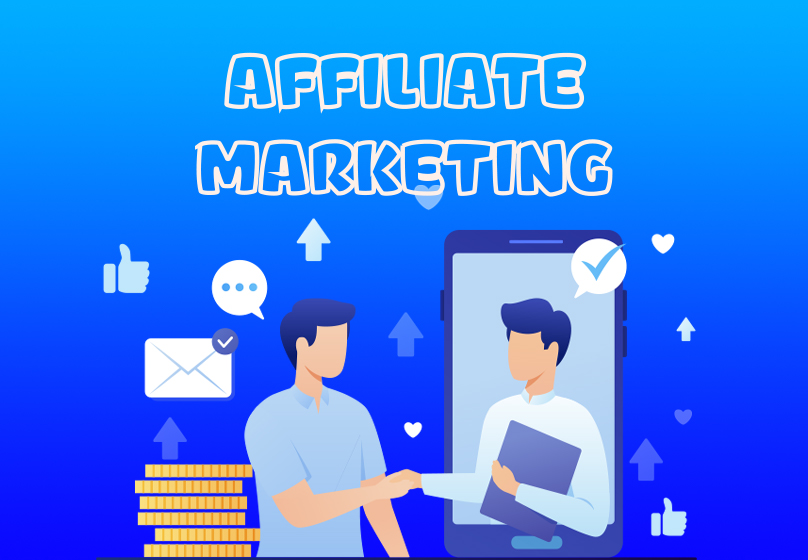
Participants in the Affiliate Marketing model:
|
|
|
|---|---|
|
|
|
|
|
|
|
|
|
|
|
|
Basic Operation Mechanism:
- You (affiliate) register for an affiliate program on a reputable platform like Accesstrade, MasOffer, Shopee Affiliates, etc.
- You choose the product to promote and create a unique affiliate link.
- You share the link on your blog, YouTube, TikTok, Facebook, etc.
- When users click the link and make a purchase or take a required action, you earn a commission.
Common Commission Models in Affiliate Marketing
One of the most important aspects when learning what affiliate marketing is involves understanding how you will get paid. Each campaign may use a different payout model depending on the advertiser's desired user action.
Here are the most common commission models in the industry:
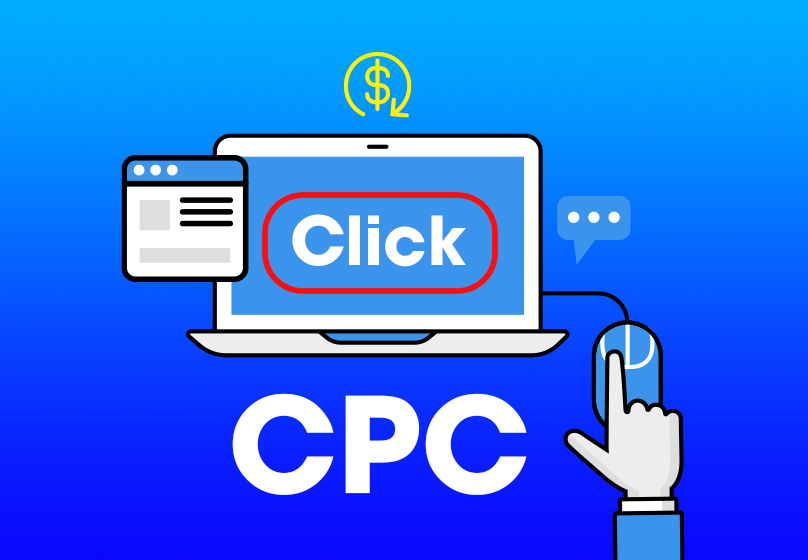
1. CPC (Cost Per Click) – Paid by Clicks
You get paid every time someone clicks your affiliate link, regardless of whether they make a purchase. Example: You attach a course promotion link to a blog. For every 100 clicks, you earn 50,000 VND.
- Pros: Easy to generate conversions, suitable for high-traffic blogs
- Cons: Commission rates are usually very low
2. CPL (Cost Per Lead) – Paid per Lead
You get paid when users take a specific action like registering an account, submitting an email, or downloading an app. Example: A banking app pays 20,000 VND per lead if the user downloads the app and completes the form.
- Pros: You can earn without selling
- Cons: Requires well-optimized content to increase lead form conversions
3. CPA (Cost Per Action) – Paid per Action
What is CPA in affiliate marketing? It is the most common model, where you only earn commissions when users complete specific actions like purchases, bookings, or paid subscriptions. Example: You promote a skincare product on Shopee and earn 8 percent commission for each purchase through your link.
- Pros: High commission, sustainable model
- Cons: Requires quality content and product targeting suitable for your audience
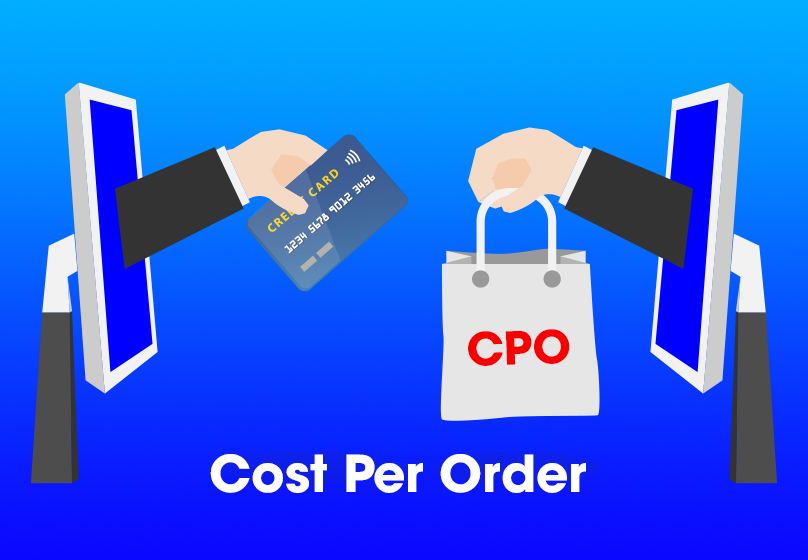
4. CPO (Cost Per Order) – Paid upon Order Completion
Similar to CPA, but commission is only confirmed once the order is successfully delivered (prevents cancellations or returns). Example: You promote household products. When the user places an order and it's delivered, you earn commission.
- Pros: Ensures real revenue, fraud prevention
- Cons: You must wait for commission approval
5. CPI (Cost Per Install) – Paid per App Installation
You earn commissions when users install a specific app, commonly used in fintech, e-wallet, and mobile game campaigns. Example: MoMo or ShopeeFood pays 10,000 to 50,000 VND for each successful app install and registration.
- Pros: Easy to execute, especially with TikTok or YouTube
- Cons: Requires accurate tracking, easy to be rejected if conditions are not met
6. What is EPC in Affiliate Marketing?
EPC (Earnings Per Click) shows how much you earn on average per click on your affiliate link. Formula: EPC = (Total commissions earned) / (Total number of clicks). Meaning: The higher the EPC, the more effective the campaign.
Guide to Effectively Implement Affiliate Marketing for Beginners
Once you understand what affiliate marketing is and the commission models like CPA or EPC in affiliate marketing, the next step is practical implementation. So, what does it mean to do affiliate marketing, and where do you start? Below is a step-by-step guide to help you get started in affiliate marketing, even if you are a complete beginner.
Step 1: Identify Your Market Niche
In affiliate marketing, choosing the right niche determines how fast you succeed. Do not try to do everything. Focus on topics you understand or are passionate about. Some popular niches:
- Health care, beauty, dietary supplements
- Mom and baby
- Books, online courses, soft skills
- Technology, digital devices, and home appliances
- Finance, banking, e-wallets
Step 2: Choose an Affiliate Program
Depending on your niche, you can join reputable affiliate programs such as:
|
|
|
|---|---|
|
|
|
|
|
|
|
|
|
|
|
|
|
|
|
Step 3: Choose Your Content Channels
Whether you have a website or not, there are many effective ways to do Affiliate Marketing:
Personal Website or Blog
- Format: Reviews, user guides, discount codes
- Pros: Sustainable, SEO friendly, steady growth
- Tip: Build a WordPress site and embed affiliate links smartly within posts
YouTube, TikTok, Facebook
- Format: Unboxing videos, sharing experiences, usage tutorials
- Suitable for: Consumer products, TikTok trends
- Note: Add affiliate links in bio, descriptions, or pinned comments

Email Marketing
- Nurtures potential customers
- Strategy: Offer free materials, ebooks, and checklists to collect emails then send valuable content plus affiliate links
- Works well with digital or financial products
Forums and Communities
- Provide genuine advice and useful contributions without spamming
- Facebook groups, forums like Webtretho, Voz, Tinhte are great channels
Step 4: Generate Affiliate Links and Set Up Tracking
After selecting a campaign, you will be provided with a unique affiliate link. Examples:
- On ACCESSTRADE, choose the Shopee campaign to generate a personal link
- On TikTok Shop Affiliate, select products in the Seller Center to create shareable links The systems will use these links to track commissions based on the campaign model (CPA, CPI, CPO, etc.). This is why you need to clearly understand what CPA in affiliate marketing is to choose the right channel and products.
Step 5: Create Content and Insert Links Smartly
Tips for effective content writing:
- Write attractive titles with clear solutions or benefits
- Place affiliate links at the beginning, middle, and end of the content
- Use clear calls to action: Buy now, Get your deal today, etc.
- Engage emotionally or use real experiences
Step 6: Optimize and Improve Conversion Rates
After running your campaigns for a while, you should monitor and optimize them:
- Track EPC to evaluate the performance of each channel
- Compare click-through and conversion rates across different content pieces
- Test A B variations for titles, descriptions, and CTAs
- Focus on products with high CPA, easy to sell, and suitable for the current season
Conclusion
Hopefully, through this article, you now have a clearer understanding of what affiliate marketing is, how it works, and the basic steps to start your affiliate marketing journey effectively. Whether you choose to implement it through a personal blog, TikTok, or email marketing, the key is to create valuable content, select the right products for your target community, and persistently optimize every campaign.
Need help building a personal blog, a TikTok review channel, or designing an effective Affiliate campaign? The Connect Tech team specializes in consulting and implementing multi channel marketing services. From SEO friendly website design to content development and advertising campaigns, we help you boost conversions and optimize revenue.

Table of Contents