Loading Table of Contents...
Professional Travel Website Design, Optimized for Conversion
Quick Summary
Collapse
Professional travel website design boosts credibility, SEO, and conversions with online booking, secure payments, and a smooth user experience for growth today.
Professional travel website design is a key factor that helps travel businesses build credibility, attract customers, and increase conversion rates. A well-invested website not only offers a modern, user-friendly interface but also integrates essential features such as tour booking, online payment, and SEO optimization. This is the foundation that enables businesses to expand their market, enhance customer experience, and turn the website into an effective sales channel.
I. Why do travel businesses need to invest in professional travel website design?
The way customers search for and book tours has changed significantly. Before making a booking decision, customers usually search on Google, visit websites, compare services, read detailed information, and assess the professionalism of each brand. If a website is poorly built, slow to load, lacking information, visually cluttered, or not optimized for mobile devices, there is a high chance that visitors will leave and choose a competitor instead.
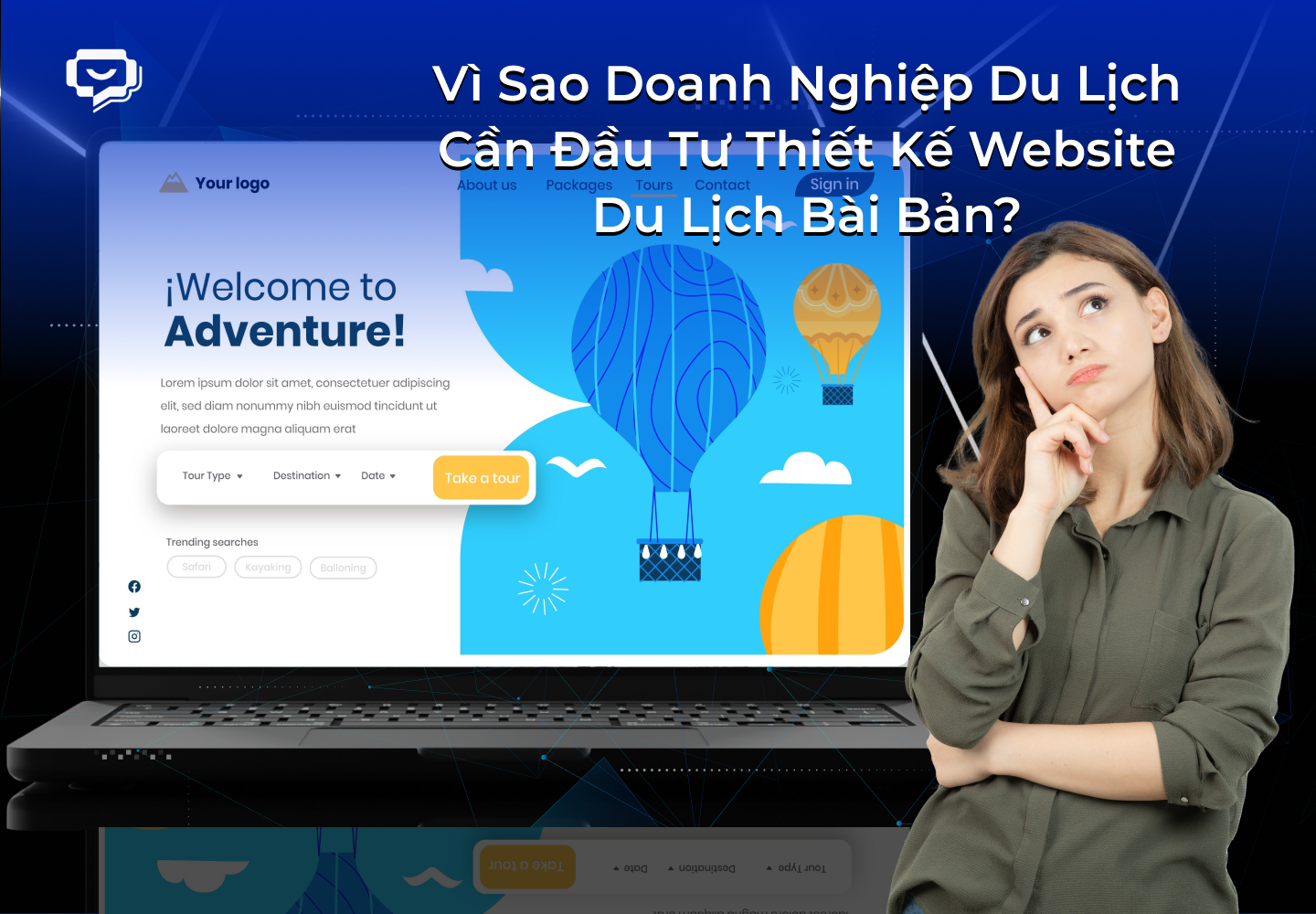
Investing in professional travel website design helps businesses:
- Create a professional first impression, building trust compared to companies that only sell through fanpages or intermediary platforms.
- Take control of a direct tour sales channel, reduce dependence on OTAs, and save long-term commission costs.
- Optimize user experience from searching for tours, viewing itineraries and prices, to booking services, thereby increasing conversion rates.
- Support sustainable SEO, helping the website rank for tour, destination, and service keywords, and bring in a stable source of potential customers.
- Build a long-term travel brand, clearly demonstrating the company’s scale, capabilities, and professionalism.
In short, travel website design is not merely an investment in visual appearance, but an investment in the entire sales system, marketing strategy, and brand development. A website that is properly built from the beginning will become a critical platform supporting stable business growth in an increasingly competitive market.
Read more: Reputable, Professional Website Design in Lao Cai
II. Common Types of Travel Websites Today
Depending on their business model and target customers, travel companies can choose from the following types of travel website design:
1. Corporate Travel Information Website
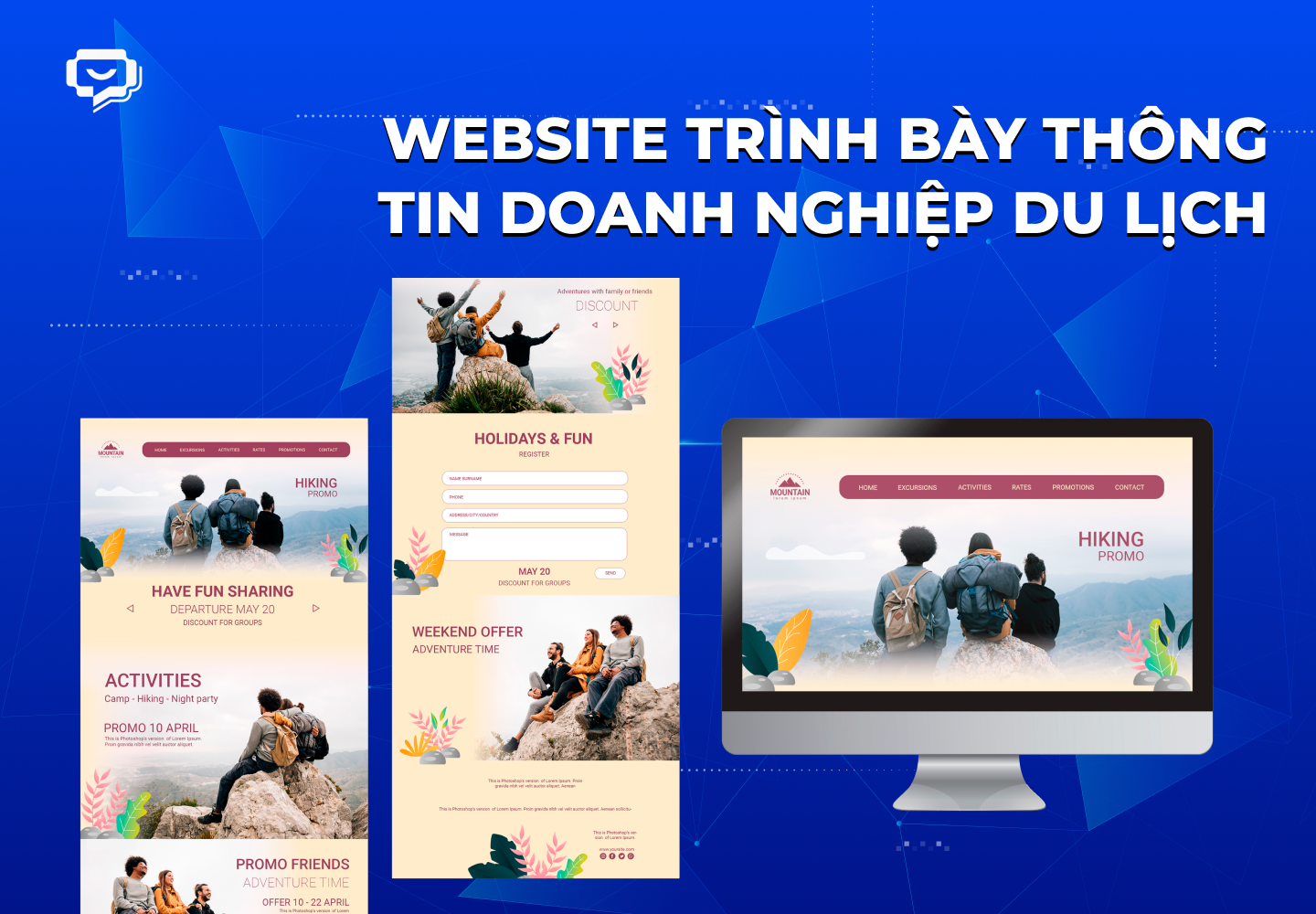
This is the most basic type of travel website design, focusing on introducing company information, travel services, team members, and contact details. This type of website is suitable for small travel agencies, startups, or businesses that simply want an online presence to build credibility.
Advantages: Low cost, easy to manage, quick to build
Disadvantages: No online tour booking feature; customers still need to contact by phone
2. Online Tour Booking Website
This type of travel website design allows customers to search, view details, and book tours directly on the website without intermediaries. It is the most common model today, helping optimize the sales process and improve customer experience.
Key features: Tour search system, filters by date/price/destination, online booking, online payment, order management
Suitable for: Travel agencies and tour operators with a wide range of products
3. Hotel and Resort Booking Website
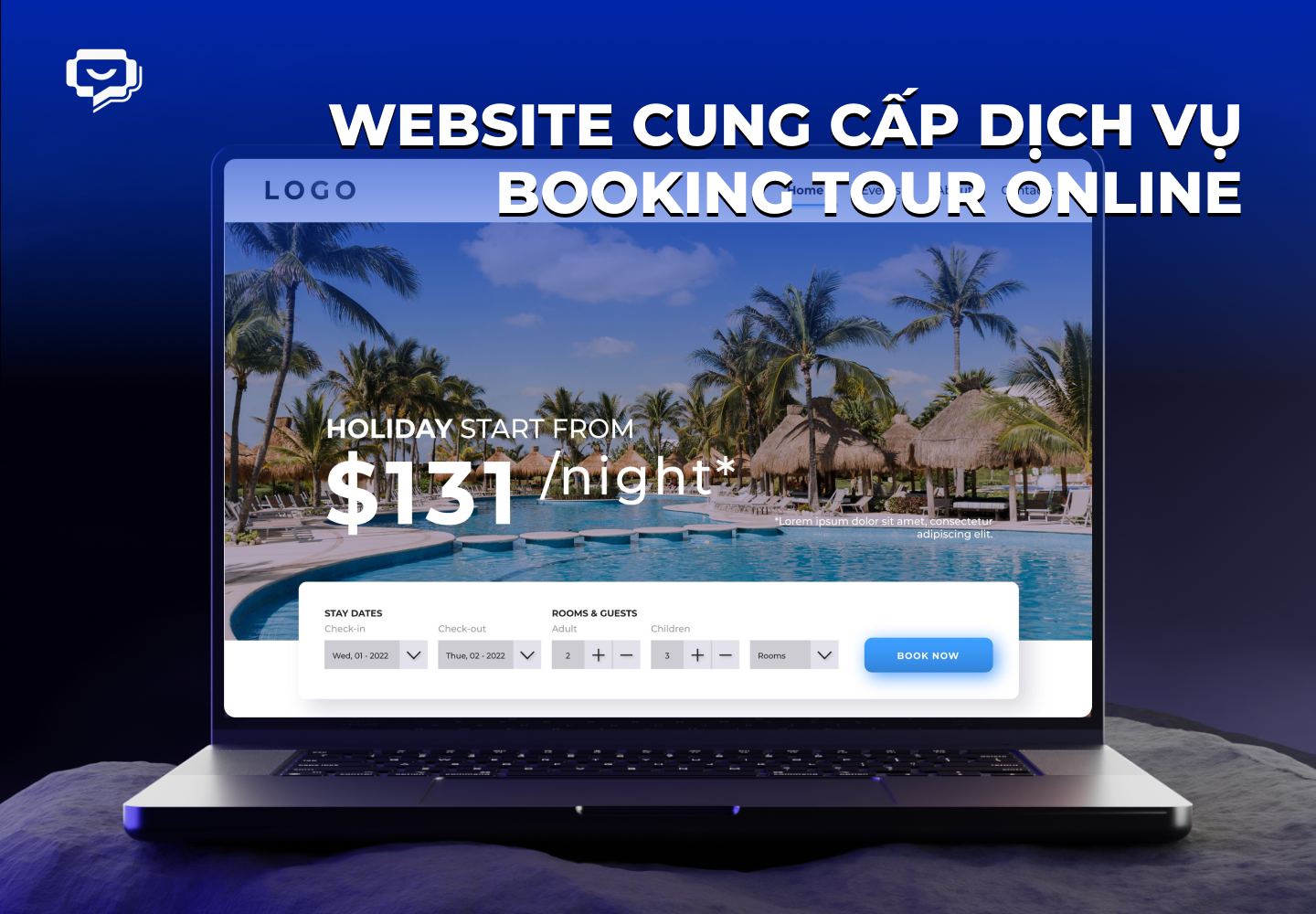
Designed specifically for hotels, homestays, and resorts that want to receive direct bookings from customers. This type of travel website design needs to integrate room availability calendars, smart booking systems, and seasonal price management.
Key features: Real-time room availability display, fast booking, flexible price management, OTA integration
Suitable for: Hotels, resorts, motel chains, and homestays
4. Combined Tour and Hotel Website
This is a comprehensive travel website design model that combines both tour sales and hotel booking on one platform. This type of travel website design is suitable for large travel companies with diverse services.
Advantages: Increased revenue from multiple sources, convenience for customers when booking tour + hotel packages
Disadvantages: Higher cost, requires a professional management team
5. Marketplace Travel Website
Similar to e-commerce platforms, this travel website design service connects multiple travel service providers (hotels, tours, flight tickets) with customers. The business acts as an intermediary and earns commission from each transaction.
Examples: Traveloka, Klook, Agoda
Suitable for: Businesses with large investment capital that want to build a large-scale platform
6. Travel Guide and Tips Website
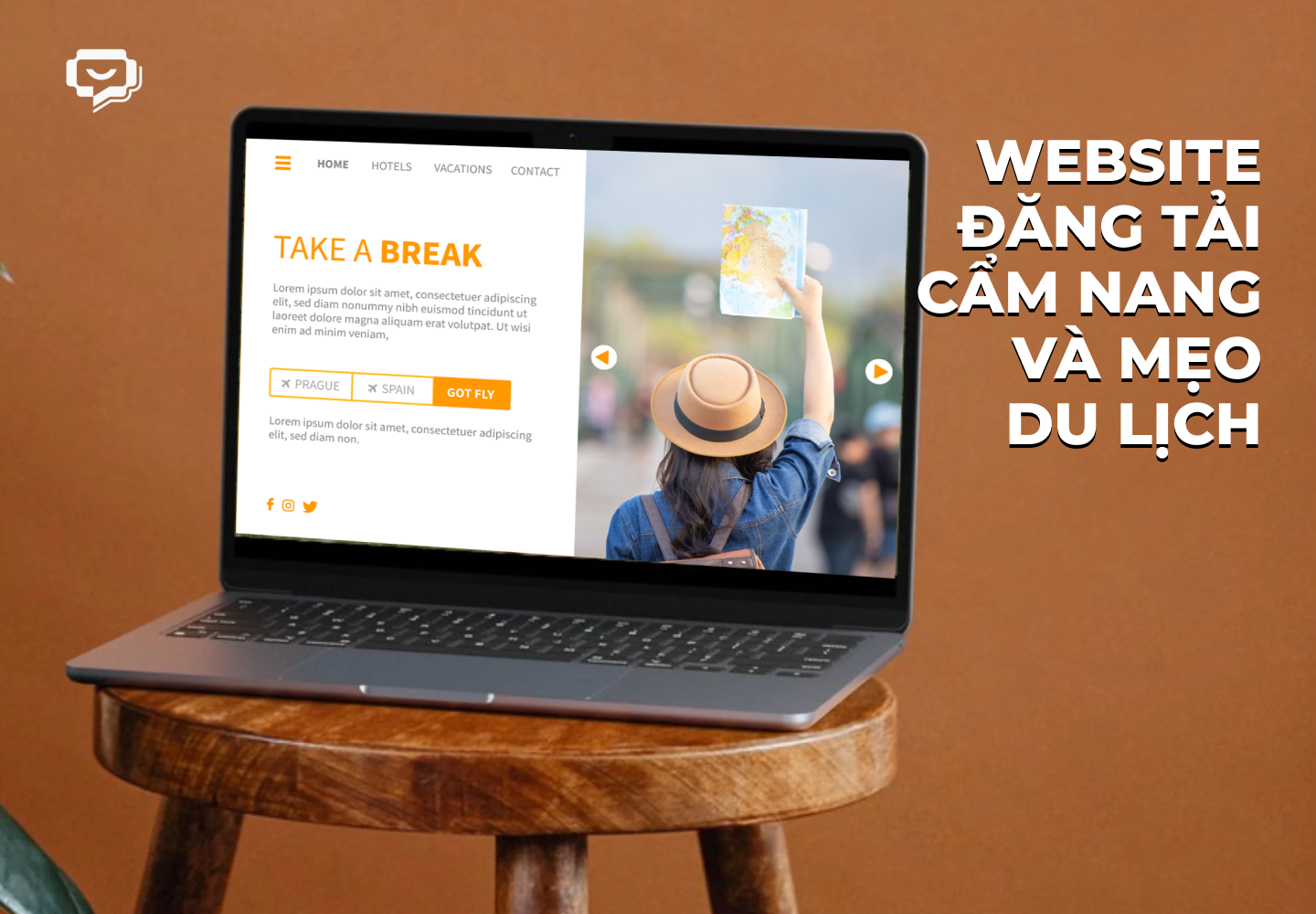
Focused on sharing travel guides, experiences, and destination information to attract readers. This type of website generates revenue through advertising, affiliate marketing, or indirect tour sales.
Advantages: Build a community, increase brand awareness, strong SEO performance
Suitable for: Travel bloggers, travel influencers, and companies aiming to build a content-driven brand
7. Flight and Bus Ticket Booking Website
Specialized in transportation ticket booking, integrating with airlines and transport operators to provide ticket information and enable online reservations.
Key features: Route/time search, price comparison, online booking and payment
Suitable for: Ticket agencies and passenger transportation companies
Choosing the right type of travel website design depends on business objectives, budget, and operational capabilities. You can start with a simple website and gradually upgrade it over time as your business scales.
III. Essential Features in Travel Website Design
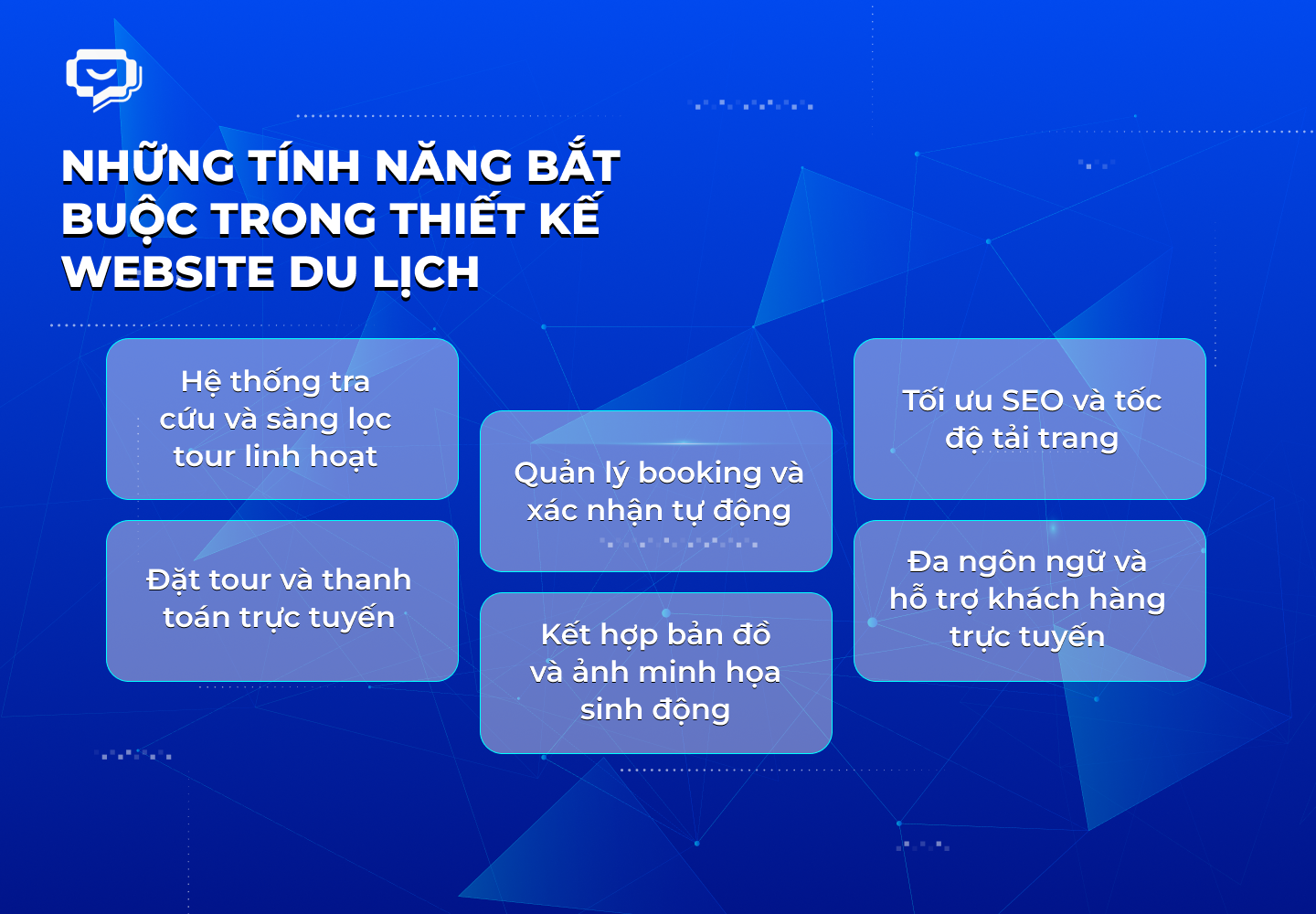
A professional travel website design requires not only an attractive interface but also a full set of features that support customer experience and optimize business performance. Key features include:
- Flexible tour search and filtering system
Allows customers to easily search for tours by destination, time, budget, or travel type. - Online tour booking and payment
Integrates a shopping cart and multiple payment gateways (cards, e-wallets, bank transfer) so customers can complete transactions quickly and securely. - Booking management and automatic confirmation
A booking management system helps businesses control schedules and automatically send confirmation emails and invoices to customers right after successful transactions. - Integrated maps and vivid visual content
Displays destinations, hotels, and restaurants on maps along with high-quality images to increase attractiveness and clarity. - SEO and page speed optimization
The website must be SEO-friendly, fast-loading, and mobile-responsive to improve search rankings and retain visitors. - Multilingual support and online customer service
Enables international customers to use the website easily, while integrating live chat or chatbots for instant consultation and support.
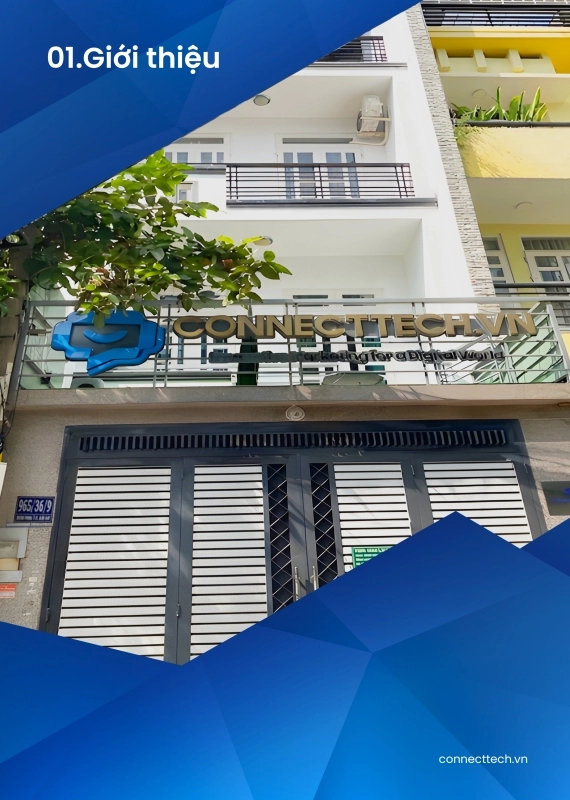
IV. Connect Tech – A Trusted Travel Website Design Agency
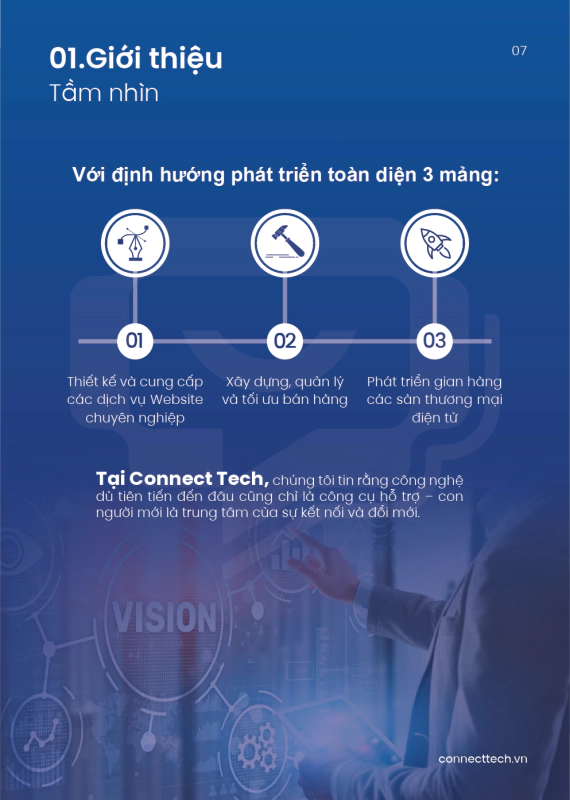
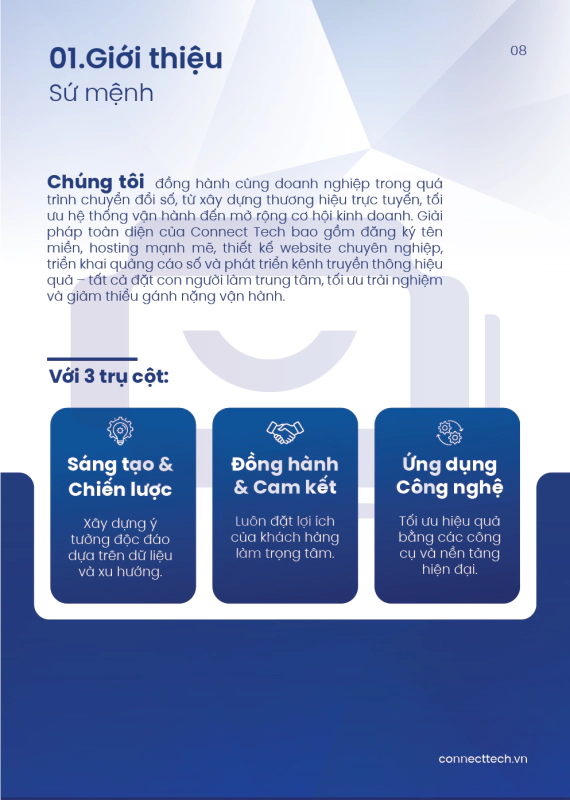
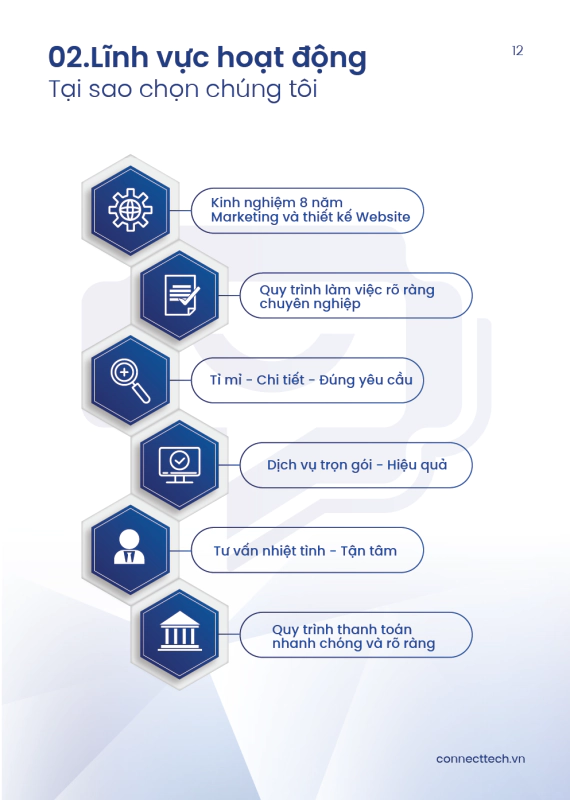
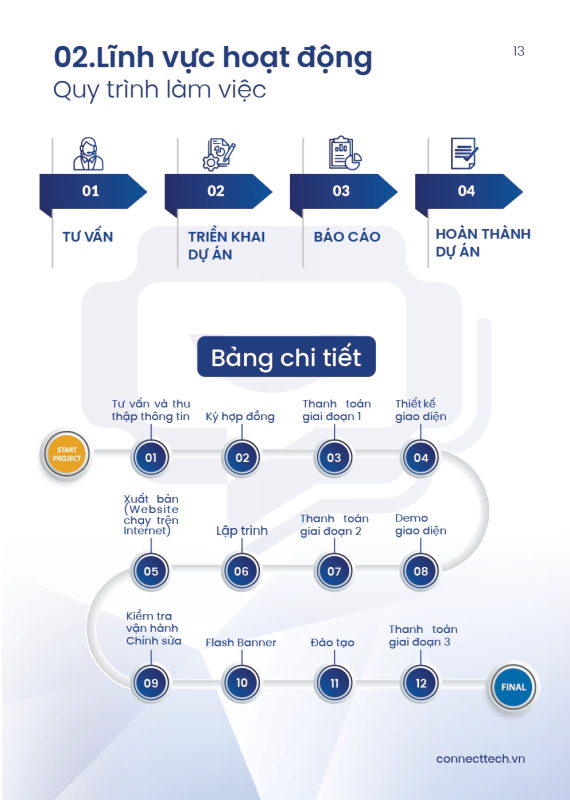
With extensive experience working with travel agencies, hotels, and tourism service providers, Connect Tech approaches each travel website design project not only with a focus on visual appeal but also on solving real business and conversion challenges. Each website is built based on customer search behavior, SEO-standard content structure, and a clear booking journey, helping businesses increase direct bookings and reduce dependence on intermediary platforms.
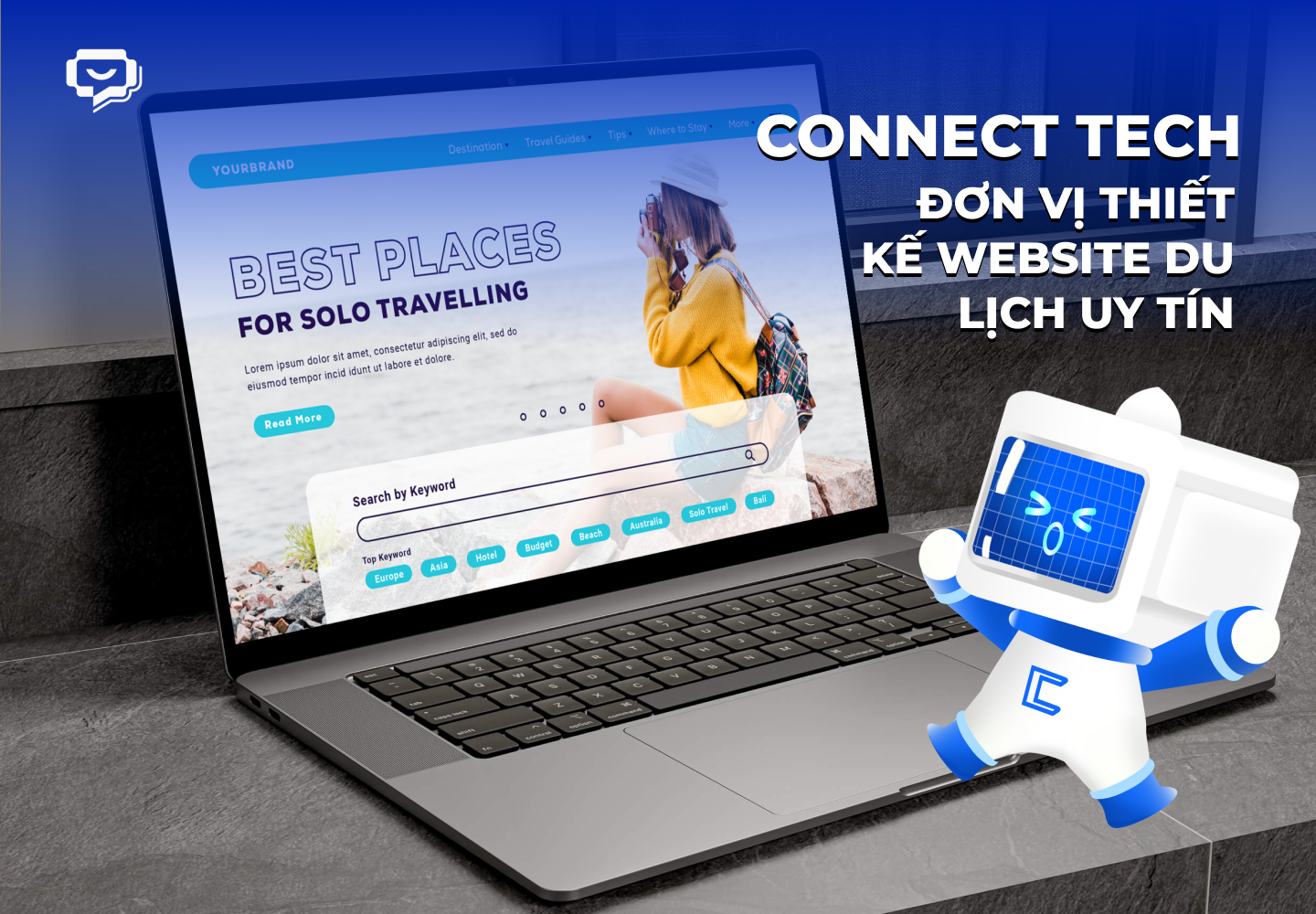
Connect Tech’s strengths in travel website design include:
- Consulting on the most suitable website model for each business type, from tour sales and hotel booking to destination information portals.
- Designing user interfaces optimized for user experience, easy to use on all devices.
- Developing a complete feature system with flexible scalability to support future growth.
- Implementing SEO optimization from the structural level, enabling websites to rank more easily and maintain stable traffic.
- Providing long-term operation support, maintenance, and upgrades, accompanying businesses throughout their growth journey.
By choosing Connect Tech as a travel website design partner, businesses not only gain a professional website but also a sustainable sales and marketing platform, ready to compete effectively in an increasingly competitive digital tourism environment.
Related Article:

Table of Contents