Loading Table of Contents...
Keyword rankings and key factors that determine SEO success
Quick Summary
Collapse
Improving keyword rankings drives more traffic to your website, strengthens credibility, and optimizes conversions through SEO strategies and supporting tools.
Keyword rankings are an important metric that reflect the effectiveness of SEO and the competitiveness of a website. The higher a keyword ranks on Google, the greater the traffic and conversion opportunities. This article will help you understand the influencing factors, how to check rankings, optimization strategies, and supporting tools to sustainably improve rankings and help your website outperform competitors.

I. Factors Affecting Keyword Rankings
1. Valuable and Topic-Relevant Content
Content is always the central element in any SEO strategy. An article only truly holds value when it directly addresses the user's search intent. The more unique, in-depth, and informative the content is, the better it retains readers, thereby generating positive signals for search engines.
2. On-page SEO Optimization
On-page SEO helps Google better understand your content. Using keywords in key areas such as the title, meta description, headings, URL, and ALT tags of images increases the relevance of the article. At the same time, user experience (UX) also plays a decisive role: the website should load quickly, have a clear layout, and be mobile-friendly to be rated more favorably.
3. Backlinks and Website Authority
Google evaluates a website’s credibility based on the quantity and quality of its backlinks. Links from high-quality, topic-relevant websites help strengthen authority and improve rankings. However, backlink building must be natural, sourced from diverse platforms, and must strictly avoid spam, as this could lead to penalties from Google.
4. Technical SEO Factors
In addition to content and links, the technical foundation of a website directly affects its ranking potential. A website with a clear structure, proper sitemap, accurate robots.txt file, and secure HTTPS protocol creates favorable conditions for search engines to crawl and index. Moreover, optimizing Core Web Vitals (page load speed, visual stability, responsiveness) is essential for enhancing user experience and improving keyword rankings.

5. User Signals
User behavior on the website is also an important metric in evaluating rankings. Factors such as CTR (Click-Through Rate), dwell time (time spent on page), and bounce rate reflect the level of visitor satisfaction. A page that receives many clicks, keeps readers engaged longer, and has a low bounce rate will certainly be prioritized by Google.
II. How to Check Keyword Rankings
There are various ways to monitor and check keyword positions on search engines. Each method has its own advantages and disadvantages, depending on the needs and scale of the SEO project.
1. Manual Checking
The simplest way is to use Google in incognito mode and directly enter the keyword you want to check. This method doesn’t require any tools, but it can be time-consuming as you may need to scroll through multiple result pages.
- Advantages: completely free, anyone can do it.
- Disadvantages: labor-intensive, limited results, does not provide detailed analytical data.
2. Using Google Search Console
Google Search Console is a free tool from Google that helps you check the average position of keywords, impressions, number of clicks, and CTR. It is considered an official and highly reliable data source.
- Advantages: free, direct data from Google, tracks the entire website.
- Disadvantages: data updates are delayed by 2–3 days, not easy to compare with competitors.

3. Using Third-Party Tools
If you need to track multiple keywords at once and receive frequent updates, third-party tools are the optimal choice. They not only display keyword positions but also provide detailed reports on competition level, search volume, and fluctuations over time.
Some popular keyword research tools include SEMrush, Ahrefs, Serprobot, Sitechecker, and more.
III. Effective Strategies to Improve Keyword Rankings
To enhance and maintain keyword rankings on Google, SEO practitioners need to implement a comprehensive set of strategies—from initial research to ongoing optimization throughout the website’s operation.
1. Research and Select Targeted Keywords
An effective SEO strategy always begins with keyword selection. Instead of focusing solely on short, highly competitive keywords, you should leverage long-tail keywords to better reach your target audience and more easily secure higher positions. Data from Google Search Console or keyword research tools like Ahrefs and SEMrush can also help you identify which keywords truly deliver results.
2. Optimize Content & On-page SEO
Content is the core foundation that determines keyword rankings. Articles should be in-depth, address the exact search intent, and be presented with a clear structure. Keywords should be naturally integrated into the title, meta description, headings, and URL—rather than being overstuffed. Additionally, improving page load speed, optimizing mobile interface, and enhancing user experience are essential factors that must not be overlooked.

3. Building High-Quality Links
Links have always been one of the strongest signals Google uses to assess a website’s credibility. You can build links through guest posts, press releases, or a well-structured internal linking system. At the same time, it’s essential to regularly audit and remove low-quality backlinks to avoid negative impacts on your rankings.
4. Updating and Optimizing Old Content
Content on your website shouldn’t be neglected after publication. Keywords can drop in rankings over time, so monitoring and updating is crucial. You can add new information, improve formatting, or include visual elements like images, videos, and infographics to enhance the value of your articles.
5. Monitoring Competitors
SEO always involves fierce competition among websites in the same niche. Regularly analyze your competitors’ websites to identify untapped or underutilized keywords. From there, you can adjust and refine your strategy to gain a competitive edge and boost your rankings.
IV. Tools to Track and Improve Keyword Rankings
Choosing the right tools helps SEO practitioners save time, access accurate data, and adjust strategies promptly. Below are some popular tools, each with its own strengths, suitable for different SEO needs and project scales:
- Small SEO Tools: Allows quick checks of up to 10 keywords at once. Ideal for small projects or beginners looking for fast and free results.
- Google Search Console: A free tool developed by Google that provides detailed tracking of keyword performance, including impressions, clicks, CTR, and average position. This is a foundational platform that every website should use.
- SEMrush: Supports keyword research, tracks ranking fluctuations, analyzes traffic, and compares performance with competitors.
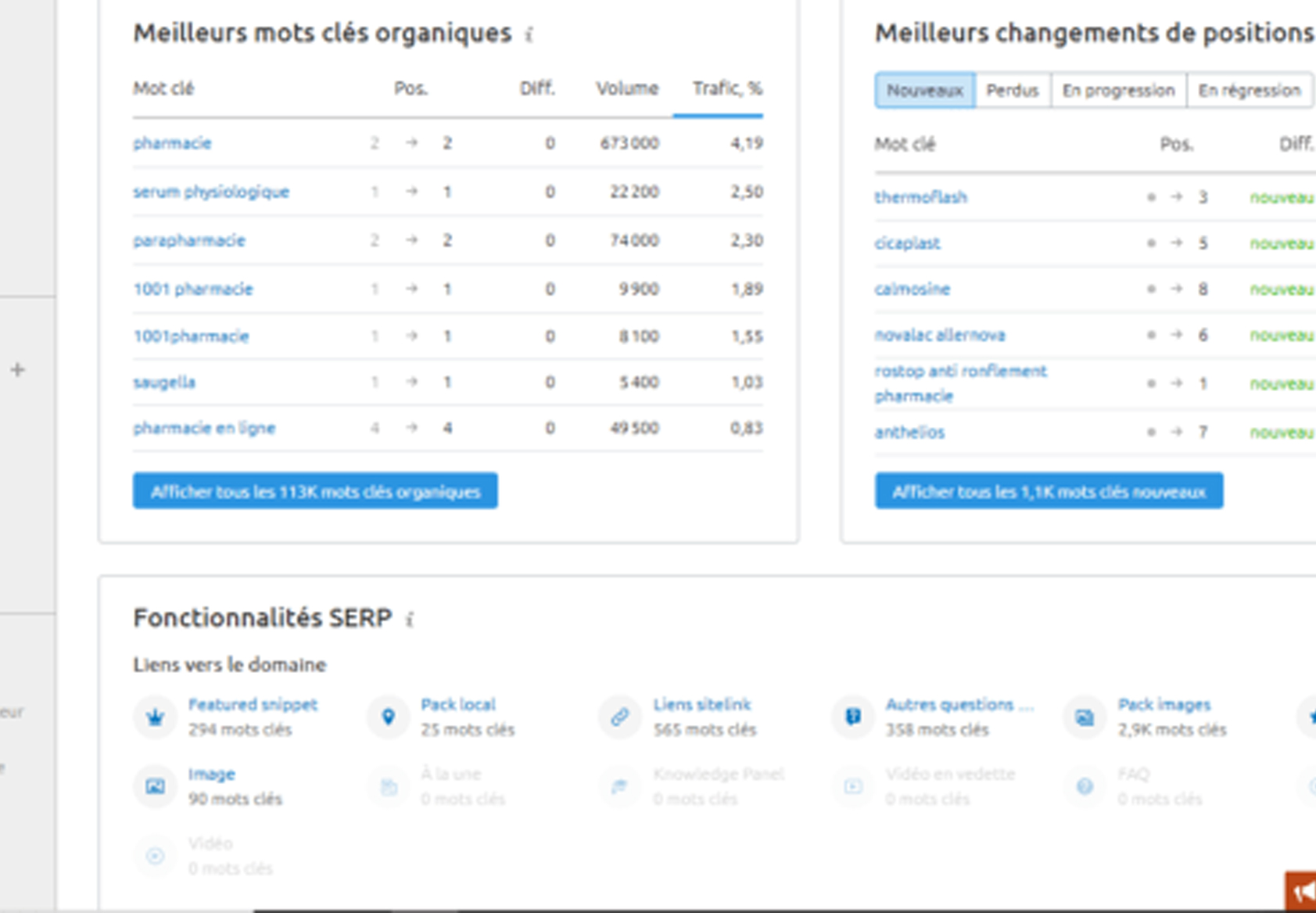
- Ahrefs: Known for its in-depth backlink analysis capabilities, this tool also tracks ranking fluctuations to assess the overall strength of a website.
- Prorank Checker: Offers fast data updates and detailed reports. It’s an ideal choice for projects that require daily monitoring of keyword rankings.
- Sitechecker: In addition to checking keyword rankings, this tool provides a comprehensive SEO audit of the website, identifying technical issues such as 404 errors, duplicate meta tags, or missing ALT attributes on images.
- Serprobot (Serp Position Tool): Features a simple, user-friendly interface that allows keyword ranking tracking and visual comparison with competitors.
- Alexa Rank Checker: Useful for monitoring global website rankings, while also analyzing traffic volume and keyword performance of competitors.
By combining these tools, SEO practitioners can track keyword rankings while gaining a holistic view of SEO performance—enabling them to build more effective optimization strategies.
V. Conclusion
Keyword rankings are a crucial metric that reflect the effectiveness of an SEO campaign. A website that ranks high on search engine results pages not only attracts more traffic but also enhances credibility, competitiveness, and revenue.
Regularly checking and monitoring keyword positions allows you to promptly detect fluctuations, identify weaknesses, and adjust your strategy accordingly. By harmoniously combining quality content, technical SEO optimization, trusted backlink building, and the use of supporting tools, your website can maintain steady growth and break through on Google—leaving competitors behind.

Table of Contents