Loading Table of Contents...
E‑Commerce Platform Website Design Optimized for User Experience
Quick Summary
Collapse
E‑commerce platform website design boosts user experience, simplifies product and order management, and drives online sales growth with SEO-ready features.
Designing an e‑commerce platform website has become an essential need for many businesses as shoppers prioritize platforms that offer fast and convenient experiences. A professionally designed website helps connect with customers, support sales, and create a competitive advantage in the online market. This article explains the differences between an e‑commerce platform and a standard sales website, why businesses should invest in e‑commerce platform website design, and the essential features of a modern platform. You will also learn about the professional design process and recommended reliable providers to build an SEO optimized website that delivers sustainable business results.
I. Comparison Between E‑Commerce Platform Websites and Standard Sales Websites
Designing an e‑commerce platform website creates a larger operational model because the platform allows multiple sellers to participate simultaneously. In contrast, a standard sales website serves only one business, so its structure and features are simpler.
Here are the key differences:
|
|
|
|
|
|
|
|
|
|
|
|
|
|
|
|
|
|
|
|
|
|
|
|
These differences show that designing an e‑commerce platform website is ideal for larger business models requiring long‑term scalability.
II. Essential Features in E‑Commerce Platform Website Design
Designing an e‑commerce platform website requires a full-featured system to meet the needs of both sellers and buyers. A professionally built platform helps with easy management, optimizes user experience, and ensures efficient operation. Key features include:
1. Seller and Product Management System

- Store Management: Each seller should be able to create and customize their own store, add products, update descriptions, and monitor sales performance. This allows sellers to maintain autonomy while the platform oversees overall operations.
- Product and Inventory Management: The system should enable categorization of products, continuous stock tracking, bulk updates, and real-time synchronization across the platform. Accurate and consistent inventory data helps prevent stockouts or overselling and improves overall operational efficiency.
- Bulk Upload and Integration: For larger sellers, the ability to upload multiple products simultaneously or integrate existing inventory systems saves time and improves efficiency.
2. User Experience and Shopping
- Advanced Search and Filtering: Users should be able to search products using keywords, categories, price ranges, brands, ratings, or other attributes. Sophisticated filtering options help customers find exactly what they need quickly and improve overall satisfaction.
- Product Reviews and Ratings: Allowing buyers to leave feedback and ratings builds trust among shoppers and increases credibility for both sellers and the platform.
- Wishlist and Favorites: Enabling users to save products for later encourages repeat visits and can increase conversion rates.
- Secure Checkout Process: A streamlined, secure, and multi-payment checkout process reduces cart abandonment. Offering multiple payment options, such as credit cards, e-wallets, and COD (cash on delivery), accommodates diverse customer preferences.
- Promotions and Discounts: The platform should allow sellers to create promotional campaigns, discount codes, and bundle offers to attract more buyers and boost sales.
3. Order and Shipping Management

- Order Tracking: Both buyers and sellers need the ability to monitor the status of each order in real time, from placement to delivery. This transparency improves trust and reduces customer inquiries.
- Shipping Integration: Integration with logistics providers enables automated shipping label creation, tracking number generation, and cost calculation. This streamlines fulfillment and improves delivery efficiency.
- Returns and Refunds Management: A clear system for handling returns and refunds ensures a positive shopping experience and builds customer loyalty.
4. Administration and Reporting System

- Business Intelligence and Reports: The platform should provide comprehensive reporting tools, including revenue tracking, sales trends, product performance, and seller analytics. These insights enable data-driven decision-making and help optimize business strategies.
- Platform Administration: Administrators should have full control over users, sellers, products, orders, content, and promotional activities. Role-based permissions ensure secure management and protect sensitive information.
- Performance Monitoring: Monitoring site performance, load times, and server health is essential for maintaining a fast, reliable, and scalable platform.
A well-designed e‑commerce platform website with these features not only enhances user experience but also supports sustainable business growth for all sellers on the platform.
III. SEO‑Optimized E‑Commerce Platform Website Design Services
When a business decides to invest in e‑commerce platform website design, choosing a reputable and SEO‑experienced provider is crucial to ensure the website operates efficiently, delivers an optimal user experience, and ranks high on search engines.
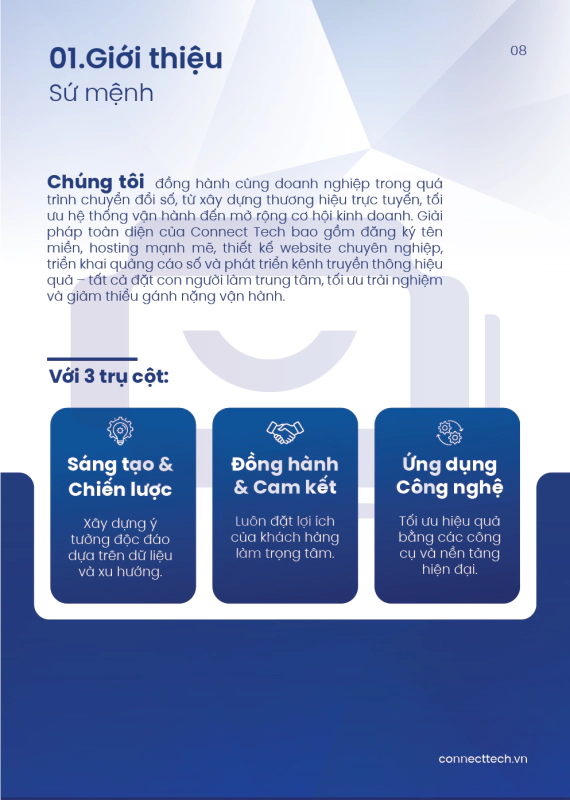
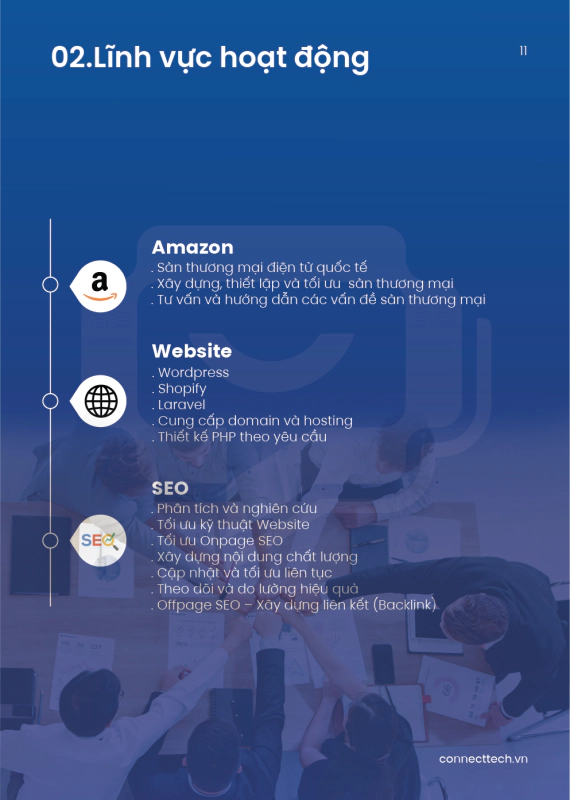
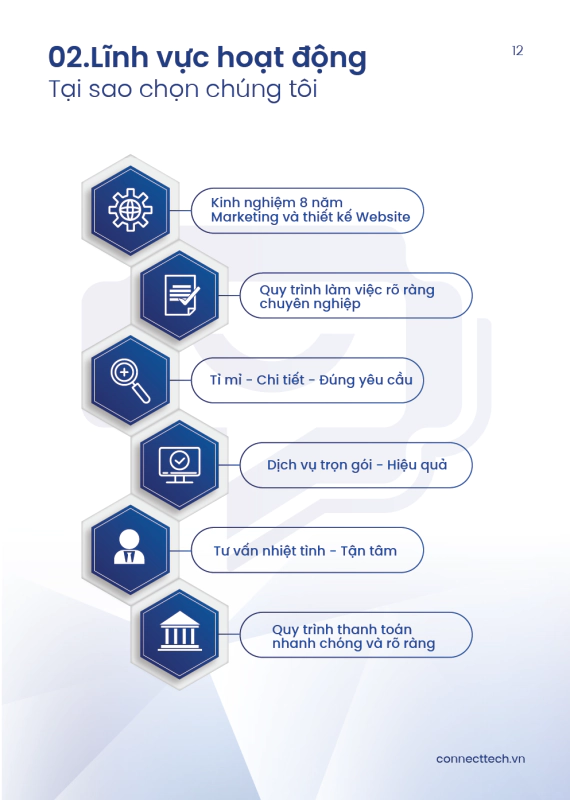
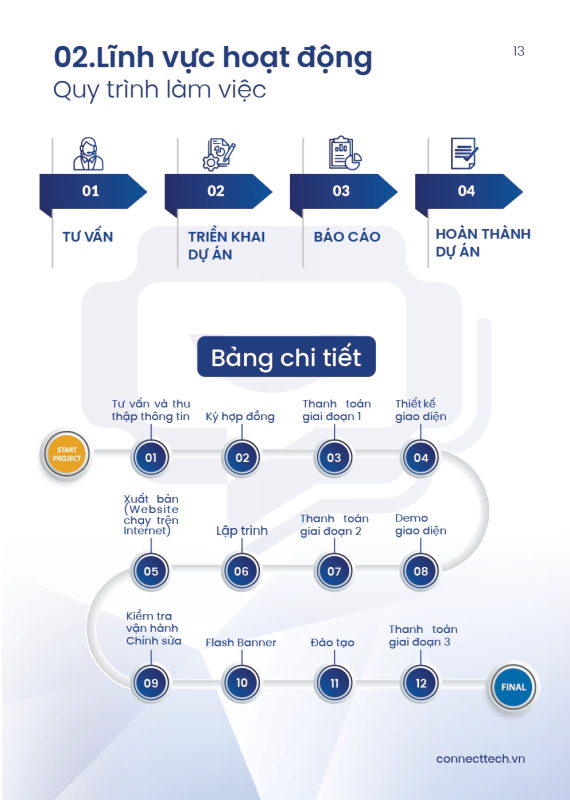
At Connect Tech, we specialize in providing professional e‑commerce platform website design solutions that meet all technical and SEO standards. With extensive experience in successfully completing numerous projects, Connect Tech is committed to building a solid platform that helps businesses:
-
Optimized User Experience: The platform features an intuitive and responsive interface, allowing customers to navigate easily, search for products efficiently, and complete purchases quickly. A seamless user journey enhances engagement and increases conversion rates.
-
SEO-Ready from the Start: The website’s structure, URLs, metadata, and loading speed are fully optimized to improve search engine rankings. This foundation ensures that the platform attracts organic traffic and remains competitive in search results.
-
Efficient Management Tools: Sellers can manage products, inventory, orders, and business reports with ease. Centralized dashboards and automation tools reduce administrative workload and improve operational efficiency.
-
Flexible Scalability: The platform is designed for future growth, enabling the addition of new features, integration with third-party systems, and adaptation to evolving business needs without compromising performance.

With Connect Tech, businesses not only own a modern and visually appealing e‑commerce platform website, but also an SEO‑optimized platform ready to compete in today’s dynamic online marketplace.
IV. Conclusion
Designing an e‑commerce platform website is a strategic move that helps businesses expand operations, enhance user experience, and increase competitiveness in the online market. Compared to standard sales websites, an e‑commerce platform offers more features for managing sellers, products, orders, and shipping, while supporting a flexible and convenient shopping experience.
Investing in an SEO‑optimized e‑commerce platform website design not only improves search visibility on Google but also ensures a stable, easy-to-manage, and scalable platform. Choosing a reputable provider like Connect Tech enables businesses to have a modern, user-friendly, and SEO-ready website from the start, fully prepared to meet business needs and achieve sustainable growth.

Table of Contents