Loading Table of Contents...
Amazon Sales Policy 2025: Detailed Guide for Vietnamese Sellers
Quick Summary
Collapse
Amazon 2025 updates new sales policies, helping Vietnamese sellers do business effectively, safely and comply with regulations in the global e-commerce market.
Amazon is one of the world's largest e-commerce platforms, opening up global business opportunities for sellers in Vietnam. However, to be successful and maintain a stable account, sellers need to strictly comply with Amazon's sales policy.
In 2025, Amazon continues to update many new regulations to protect customers' shopping experience and ensure a transparent business environment. This article will help you understand important policies and how to apply them effectively when selling on Amazon.
I. Overview of Amazon
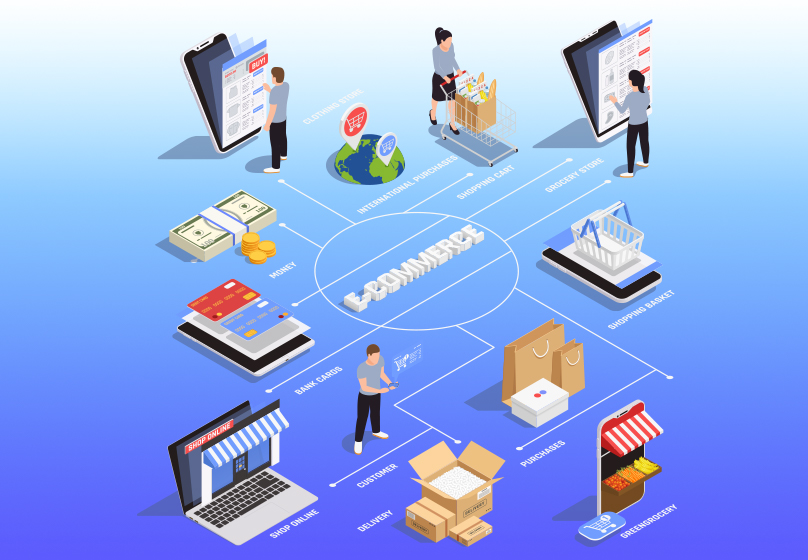
Amazon is the world's leading e-commerce corporation, present in more than 20 countries and serving hundreds of millions of global customers. With an optimal operating system, Amazon is where buyers find all products and sellers find opportunities to expand into the international market.
On Amazon, sellers can choose from a variety of business models such as:
- FBA (Fulfillment by Amazon): Amazon handles all warehousing, packaging and shipping.
- FBM (Fulfillment by Merchant): Sellers manage their own inventory and deliver to customers.
- Dropshipping: Sell products from other suppliers without having to keep inventory.
- Private Label: Build your own brand based on available products and optimize under your brand name.
Many Vietnamese sellers choose Amazon because it is a huge market, with a multinational customer base and outstanding profit potential. However, along with opportunities come many challenges. Especially the risk of having your account locked or losing your selling rights if you violate Amazon's sales policies. Therefore, understanding and complying with the policies is a must if you want to do business long-term.
II. Amazon Sales Policies to Follow
2.1 Buyer-Seller Communication Policy
All customer contact must be made only through official Amazon channels, such as buyer-seller messaging tools or the Amazon sales app.
Sellers may not use customers' personal information for marketing, advertising, or contact purposes outside of the order.
2.2 Cancellation Policy
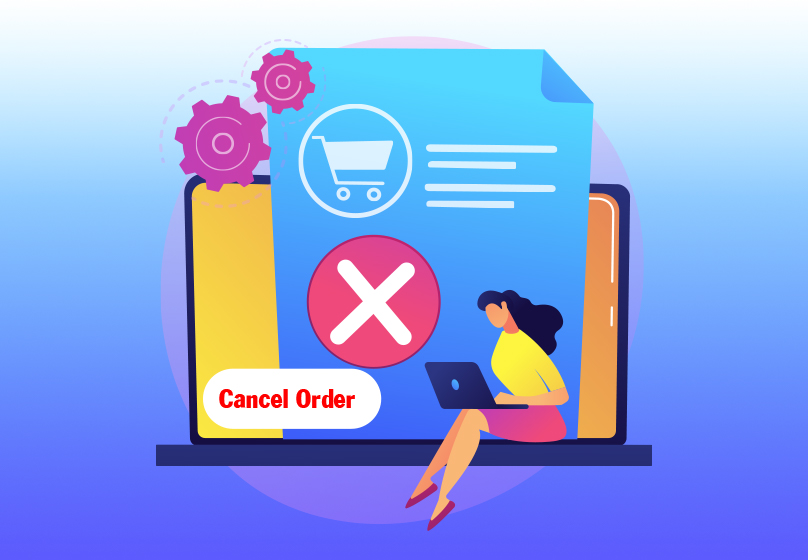
To ensure a safe shopping experience, Amazon charges a $50 fee for each service order canceled by the seller. If a seller cancels multiple orders, it may affect the performance index and account reputation.
2.3 Unsupervised Minors
Sellers are not allowed to provide services in locations where only minors without legal guardians are present. This regulation is to ensure that all activities take place safely, avoid risky situations or misunderstandings, and protect the interests of both customers and service providers.
2.4 Payment Acceptance Policy
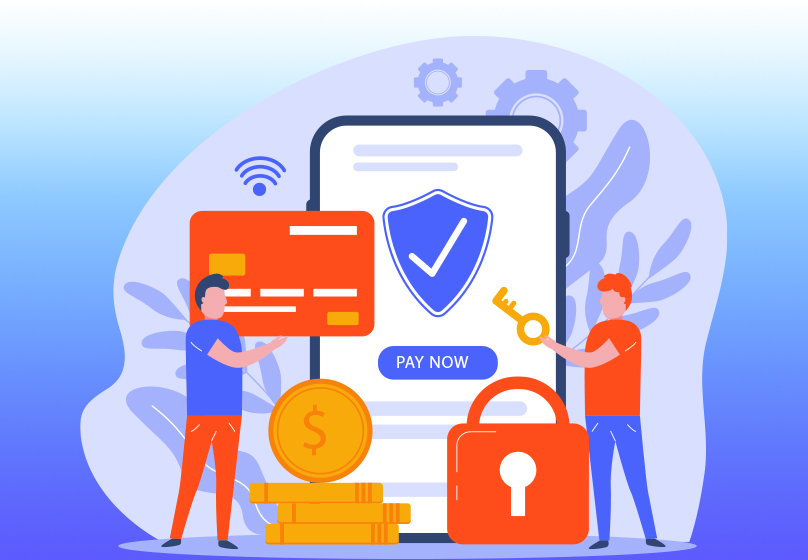
To ensure transparency and security in transactions, Amazon applies strict regulations on payment methods that all sellers must comply with:
- All financial transactions (payments, refunds, discounts) must be processed through the Amazon system.
- It is absolutely forbidden to accept payments directly or for services other than those listed by Amazon.
- If violations are detected, Amazon has the right to temporarily hold the money, investigate or recover the entire amount involved.
2.5 Zero Tolerance Policy
Amazon will take serious action and may immediately suspend the seller's right to sell if the seller or employee violates serious behaviors such as:
- Assigning technicians who do not pass background checks or lack the necessary licenses.
- Fraud, providing false information or offensive behavior to customers.
- Illegal activities during the performance of services.
- Causing damage to customer property exceeding $1,000.
- Working while under the influence of stimulants such as alcohol or drugs.
III. Amazon Seller Code of Conduct
In addition to the mandatory Amazon sales policies, sellers must also comply with the Code of Conduct issued by Amazon to maintain a transparent and fair business environment.
3.1 Ensure all information provided is true
Sellers must ensure that all information provided to Amazon and customers is accurate, timely updated and in the correct product category.
For example, the business name must accurately reflect the brand, and products must be listed in the appropriate category.

3.2 Be fair, do not abuse Amazon services
Sellers must conduct business transparently, not cheat or take advantage of Amazon features. Prohibited behaviors include:
- Creating fake orders to increase product rankings.
- Increasing prices after an order has been confirmed.
- Manipulating keywords or visits with bots.
- Posting offensive product information or images.
3.3 Not harming or abusing other sellers
Sellers must absolutely not engage in any behavior that negatively affects the reputation, sales, or search rankings of competitors on Amazon. For example:
- Buying a competitor's product only to leave a negative, untrue, or defamatory review.
- Inserting false or misleading information on a competitor's product detail page to undermine customer confidence.
- Using fraudulent tactics such as reporting fake violations, spamming reviews, or interfering with competitors' sales figures.

3.4 Do not illegally influence customer reviews
Sellers may ask customers to leave reviews, but they must be neutral. Absolutely do not:
- Pay or give gifts in exchange for good reviews.
- Only target satisfied customers for reviews.
- Request customers to delete or edit negative reviews.
- Review your own products or those of competitors.
3.5 Do not send information outside the permitted scope
Sellers are not allowed to send advertising messages, promotions, or marketing information that is not related to the order. Violating this regulation may result in a warning or permanent account suspension, as Amazon considers this behavior annoying and invading customer privacy.
3.6 Contact customers only through official channels
All customer personal information such as name, address, phone number and email, is only used for the purpose of completing orders and providing direct support.
After the order is completed, the seller is required to delete this information and is not stored for other purposes. At the same time, sharing customer data with third parties in any form is strictly prohibited and may violate international data privacy laws (GDPR, CCPA ...).

3.7 Do not bypass the sales process on Amazon
Sellers are not allowed to redirect customers to other platforms or transactions outside of Amazon. Some common violations include:
- Sending QR codes to websites other than Amazon
- Inserting external links in messages or product descriptions
- Attaching flyers or purchase instructions elsewhere in product packages
3.8 Do not operate multiple accounts illegally
Sellers are only allowed to own multiple accounts when there is a legitimate business need, such as:
- Operating multiple separate brands
- Doing business in multiple markets in different countries
- Operating in multiple separate product categories
3.9 Complying with country-specific pricing laws
In some specific markets, such as France and Spain, the law requires that book prices comply with a fixed price set by the publisher.
Sellers need to be aware of this regulation to avoid mispricing, as Amazon will apply strict sanctions and may even suspend accounts in countries that violate it.
3.10 Do not abuse the reporting system
Amazon encourages sellers to report products or activities that infringe on intellectual property rights. However, only the brand owner or a legally authorized reseller may submit such reports.
Deliberately reporting false information to eliminate competitors or gain a business advantage will be considered abuse of the system and may result in permanent account suspension.
IV. Consequences of policy violations
Amazon policy violations not only have immediate impacts on business operations but also have long-term consequences. Some of the risks that sellers may face include:
- Loss of selling rights: Amazon may temporarily suspend or permanently block the selling account. All posted products will be removed from the store.
- Temporary withholding or confiscation of payments: Amounts from pending orders may be withheld or completely confiscated while Amazon investigates the violation.
- Lost brand reputation: Violations cause loss of customer trust, making it difficult for brands to compete and restore their image in the market.
- Difficulty in restoring accounts: With serious violations, regaining selling rights is almost impossible, and the risk of being denied to open a new account is very high.
V. Summary
Complying with Amazon's sales policies helps maintain stable business rights, protect brand reputation and customer shopping experience. Sellers should regularly update new regulations, process orders transparently, professionally and absolutely avoid all fraudulent behavior.
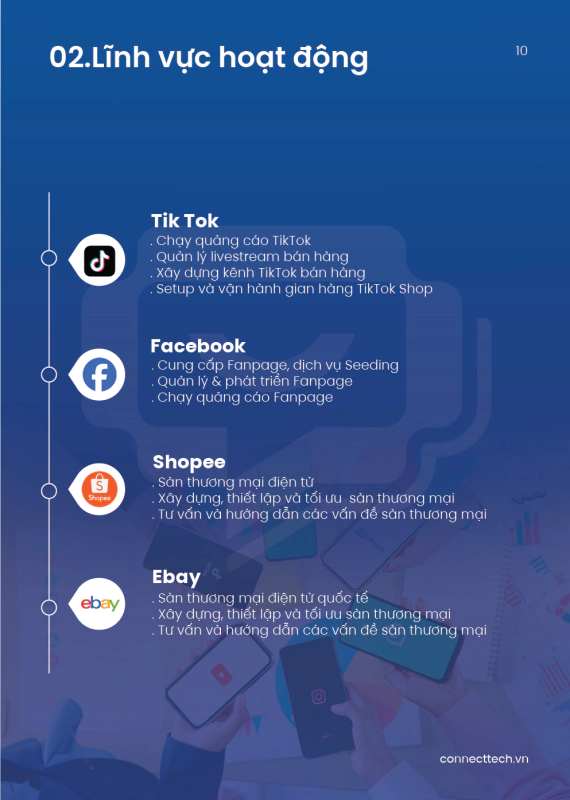
If you want to do business on Amazon effectively, meet international standards and increase revenue. Connect Tech provides a complete Amazon service package to help you access the global market safely and professionally. Contact us today for a free consultation and start your selling journey!

Table of Contents