Loading Table of Contents...
What Is Google PageRank? Everything You Need to Know for Effective SEO
Quick Summary
Collapse
Discover Google PageRank, the core algorithm behind website ranking. Learn its principles and how to optimize PageRank to improve SEO performance and visibility.
Google PageRank was once considered a core factor behind the ranking of websites on search engines. Although the PageRank score is no longer publicly displayed, the essence and principles of this algorithm remain a crucial foundation for how Google evaluates and organizes search results.
So, what exactly is Google PageRank, and how does it continue to impact SEO? Join Connect Tech to explore this algorithm in detail and learn how to apply it to your SEO campaigns through this article.

I. What is Google PageRank?
Google PageRank is a ranking algorithm developed by Google’s co-founders, Larry Page and Sergey Brin, in the late 1990s. It was designed to evaluate the authority and importance of a webpage based on:
- The quantity and quality of backlinks pointing to that page.
- The credibility of linking websites: links from reputable sites carry more weight in ranking evaluation.
- The higher the PageRank, the more likely a website is to rank prominently in search results.
Although Google PageRank is no longer publicly displayed, this algorithm remains a fundamental part of how Google evaluates website quality. Understanding what Google PageRank is will help you build a more effective and sustainable SEO strategy.
II. How Important Is PageRank?
The PageRank algorithm still plays a crucial role in how Google assesses and ranks websites on its search engine. Specifically:
- Assessing website authority: PageRank helps Google determine whether a website is trustworthy based on the number and quality of backlinks pointing to it.
- Improving search rankings: Pages with higher PageRank scores are more likely to appear in top positions on the search engine results pages (SERPs).
- Evaluating the effectiveness of internal and external links: Not only do backlinks from other websites (external links) matter, but internal links also help distribute PageRank across your entire website.
- Supporting SEO strategy development: By applying PageRank principles, SEO professionals can optimize link structures to strengthen the overall value of a website, including less-visited subpages.

III. How the PageRank Algorithm Works
Google PageRank operates on a fundamental principle: each link from one webpage to another is considered a “vote of confidence.” The more high-quality links a page receives from authoritative websites, the more trustworthy and authoritative it is considered.
1. The Principle Behind PageRank Scoring
Google originally calculated PageRank scores using the following formula:
PR(A) = (1 - d) + d * (PR(B1)/L(B1) + PR(B2)/L(B2) + ... + PR(Bn)/L(Bn))
Where:
- PR(A) is the PageRank score of page A.
- PR(Bn) is the PageRank score of pages linking to A.
- L(Bn) is the number of outbound links on each page Bn.
- d is the damping factor, usually set around 0.85.
2. What Is the Damping Factor?
The Damping Factor is a key component of the PageRank formula, typically set at 0.85. It reflects the behavior of real users when browsing the web: they will not keep clicking links endlessly and will eventually stop after a certain number of visits.
3. PageRank Algorithm Improvements
Google has continuously refined the PageRank algorithm to better reflect user behavior and prevent ranking manipulation techniques. One notable improvement is the “Reasonable Surfer” model, which assumes that not all links are equal—links that are prominent and likely to be clicked carry more weight than hidden or less noticeable links.

IV. Key Factors Influencing Google PageRank
Google PageRank does not evaluate a website solely based on the number of backlinks pointing to it. Instead, Google takes a comprehensive approach, considering multiple factors to determine the actual authority and influence of each link. Below are the key factors that affect how Google PageRank scores a webpage:
1. Anchor Text
Anchor text is not just the clickable text within a link; it also defines the content of the destination page. If a link has clear anchor text that includes relevant keywords, it is more likely to pass SEO value and boost PageRank.
2. Clickability
According to Google’s Reasonable Surfer Model, links that are more likely to be clicked—such as those placed at the top of the page, highlighted with distinctive colors, or embedded in the main content—tend to carry higher PageRank value than less prominent links, such as those that are hidden, hard to notice, or located in the footer.
3. Internal Links
An internal linking structure not only improves user navigation but also distributes PageRank across pages within the same website. Optimizing internal links allows more important pages to receive greater value while also increasing their chances of being crawled and indexed efficiently, optimizing the website’s crawl budget.
4. NoFollow Links
Links with the rel="nofollow" attribute do not directly pass PageRank, meaning they do not affect the PageRank score of the destination page. However, they still provide indirect SEO value, such as driving traffic, increasing brand visibility, or potentially leading to future “do-follow” links if widely shared.

V. How to Check a Website’s PageRank
Although Google stopped publicly displaying the PageRank score in 2016, it doesn’t mean you can’t assess a website’s authority and link strength. Here are some common ways to check a “modern version” of PageRank:
1. Use SEO Tools with PageRank-Like Metrics
Many SEO tools have developed metrics similar to Google PageRank, using their own algorithms to evaluate website authority and link quality:
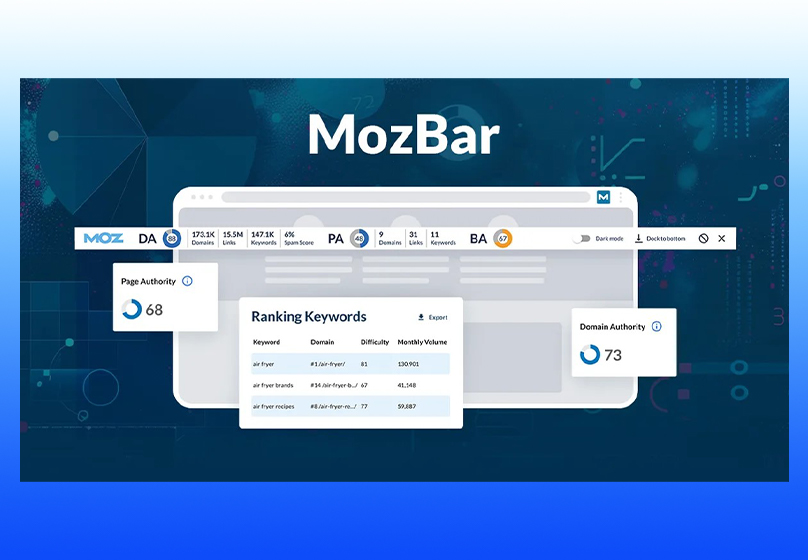
- Moz: Uses Domain Authority (DA) and Page Authority (PA) to measure the overall strength of a domain and individual pages.
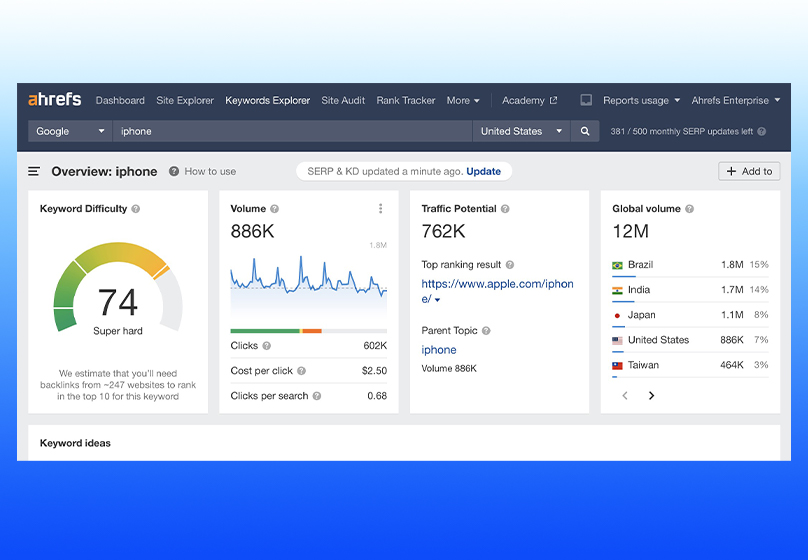
- Ahrefs: Provides Domain Rating (DR) and URL Rating (UR); higher scores indicate better ranking potential.
- Majestic: Offers Trust Flow (TF) and Citation Flow (CF) to assess both the quality and quantity of backlinks.
Although these are not official Google PageRank scores, they are effective tools for comparative link analysis between websites.
2. Check Internal and External Link Structures
- Review the number and quality of backlinks to your website, especially from high-authority domains.
- Evaluate internal link structures to ensure PageRank value is distributed effectively to your most important pages.
3. Monitor Googlebot Crawling Behavior
- Pages with higher PageRank are typically crawled and indexed more frequently by Googlebot.
- Use Google Search Console to check crawl frequency and which pages are indexed.
4. Analyze Search Visibility and Rankings
While not a direct measurement, pages frequently appearing in top search results often reflect authority and link strength—factors that PageRank aims to measure.
5. Use Browser Extensions for Quick Reference
Tools like MozBar (Moz) and Ahrefs SEO Toolbar can display SEO metrics directly in your browser.
VI. PageRank Optimization Campaigns to Improve SEO Performance
Optimizing Google PageRank naturally and effectively remains a key strategy for improving search rankings. Below are recommended campaigns and techniques:
Optimize Internal Linking Structure:
- Design a silo-style internal link structure to organize content by topic, helping both users and search engines understand your website hierarchy.
- Use clear, natural anchor text to guide readers to related pages, increasing dwell time and efficiently distributing PageRank.
- Ensure critical pages receive more internal links to improve their chances of frequent crawling by Googlebot.
Build High-Quality Backlinks
- Focus on acquiring links from websites with high DR/UR, relevant content, and strong authority to boost Google PageRank.
- Prioritize backlinks from sites with real traffic, not just high metrics.
- Diversify your link sources, including guest posts, PR coverage, industry forums, and niche-specific sites.

Fix Broken Links with Backlinks
- Regularly audit your website to identify 404 pages or broken links.
- If a deleted page still has backlinks pointing to it, consider using a 301 redirect to a relevant page or restoring the content if it aligns with your current strategy.
Create In-Depth, Authoritative, and Naturally Linkable Content
- Invest in long-form, specific, up-to-date, and valuable content that other websites are likely to reference.
- Use shareable formats such as guides, statistics, research studies, or infographics.
- Encourage users to share or link to your content through content branding campaigns, which also help improve Google PageRank.
Optimize On-Page SEO and Keywords Effectively
- Optimize key elements like title tags, meta descriptions, headings, URLs, and content structure to make it easier for Google to understand your page.
- Avoid keyword stuffing; instead, use primary, secondary, and related keywords naturally to improve overall ranking potential.
- Enhance page speed, mobile responsiveness, and user experience (UX) since these factors indirectly influence Google PageRank through user interaction signals.
VII. Conclusion
Google PageRank remains a core foundation behind many of Google’s ranking algorithms, even though it is no longer publicly disclosed.
For SEO professionals, understanding how PageRank works, how it impacts search rankings, and how to optimize link structures is essential for building a sustainable strategy. Investing in high-quality content, natural link building, and relationships with authoritative websites will deliver long-term benefits.
If you are looking for solutions to improve SEO campaign, boost keyword rankings, and enhance your website’s authority, the Connect Tech team is ready to support you. Contact us today for a free consultation.

Table of Contents