Loading Table of Contents...
What is Contextual Link? The secret to optimizing contextual links to increase SEO rankings
Contextual Link is a natural contextual link in the article, helping to improve user experience, increase SEO rankings and enhance the reputation of the website
In SEO, links are one of the important factors that directly affect website rankings. But not all links bring the same value. In particular, Contextual Links are considered the most natural and effective type of link, both improving user experience and helping websites easily achieve high rankings on Google. So what is a Contextual Link, what are its roles, benefits and how to properly implement it to optimize search rankings? Let's explore the details with Connect Tech in this article!
I. What is a Contextual Link?
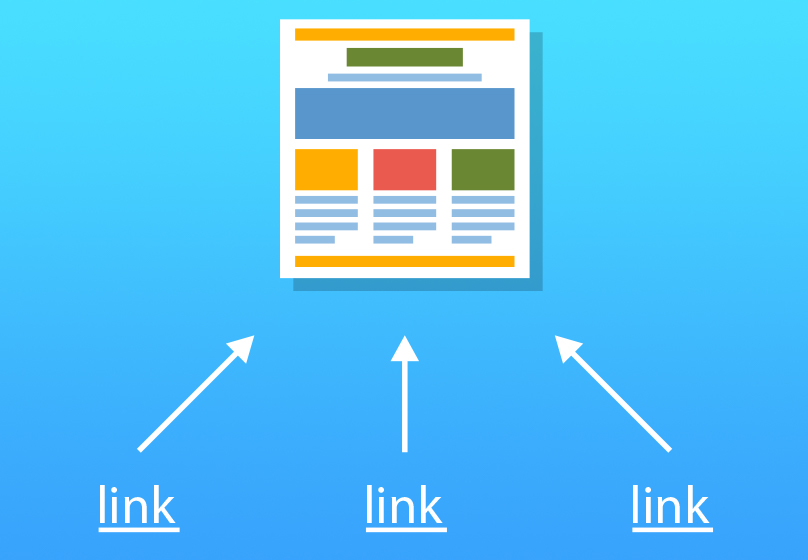
Contextual Links are links placed directly in the main content (body content) of an article or website. Unlike links located in the footer, sidebar or menu, this type of link is often inserted naturally into the context being mentioned, helping readers easily access more related information.

Outstanding features of Contextual Link:
- Anchor text is usually an exact keyword or a keyword related to the content of the page being pointed to.
- It can be an internal link (internal link between pages on the same website) or an external link (link out, for example to reputable sources).
- It brings much higher value than links in the footer, sidebar, or sponsored links because they are contextual and often have a higher click-through rate (CTR).
Google highly values contextual links because of their naturalness, semantic relevance, and ability to improve the seamless experience for users. Instead of having to leave the content to find more information, readers can access it right from the link in the paragraph they are reading.
II. Benefits of Contextual Link for SEO
Contextual Link is an important part of SEO, helping the website develop stably and long-term. Here are the outstanding benefits it brings:
- Improve user experience: help readers navigate easily to relevant content, keep them longer (reduce Bounce Rate, increase Time on Site).
- Transfer SEO power (Link Juice): when attached to anchor text containing keywords, the link will transfer power to the landing page, supporting improved rankings.
- Build a solid website structure: internal links create a logical information network, helping Googlebot better understand the topic and the relationship between pages.
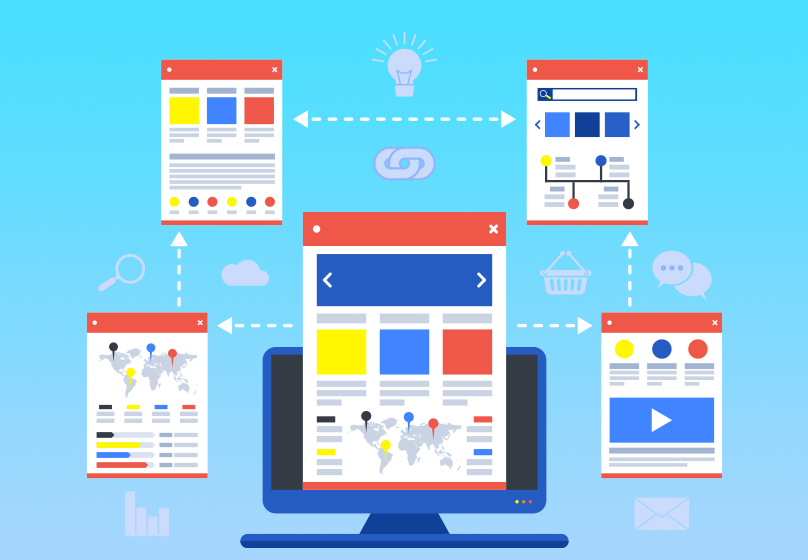
- Increase trust & authority: linking to reputable sources such as .gov, .edu or Wikipedia helps increase trust from both users and search engines.
- Increase referral traffic: with external links from other websites, you can attract more clicks and new readers.
- Improve rankings & visibility on SERPs: Google appreciates content with many quality contextual links, thereby improving the ability to rank.
III. Types of Contextual Links
In SEO, Contextual Links are divided into many different types. Depending on how they are implemented, they can be divided into many different types, each of which brings its own value to the website.
1. Internal Contextual Links
These are links that point to articles or subpages on the same website. They help build Topic Clusters, improve navigation experience and transfer SEO power to important pages such as products, services or landing pages.
2. External Contextual Links
External links lead to reputable websites such as Wikipedia, newspapers or .gov, .edu pages. They not only increase the credibility of the content but can also bring referral traffic from external sources.
3. Natural Contextual Links
This is the type of link that many SEOers want to have. They appear when others voluntarily link to your content because they find it useful. With authenticity, natural links are always highly appreciated by Google.
4. Manual Contextual Link
Unlike natural links, manual links are intentionally created through guest posts, PR articles, backlink cooperation or interviews. If deployed skillfully, this type of link is still very effective in increasing SEO power and brand coverage.
Read more: Types of Backlinks in SEO - Distinguishing Good and Bad Backlinks
IV. Effective Contextual Link Building Methods
To maximize the power of Contextual Links, proper deployment is a must. Below are important factors that you need to pay attention to when optimizing.
1. Use reasonable anchor text
Anchor text plays a decisive role in transmitting SEO power. You should flexibly combine exact keywords, extended keywords and long-tail keywords. However, you should avoid stuffing or repeating the same type of anchor text too many times to keep the article natural.

2. Place natural links in content
A contextual link is only effective when placed in a semantically relevant paragraph. Therefore, make sure that the link appears naturally, not forced, and provides a seamless experience for the reader.
3. Only link to reputable and relevant sources
Google always appreciates links pointing to reputable websites. Therefore, prioritize linking to quality sources such as newspapers, Wikipedia, .gov, .edu or high-authority specialized sites, instead of linking to low-value content.
4. Implement a variety of strategies
To build a sustainable contextual link system, you should apply many different methods:
- Connect with content managers (Content Curators) to get cited.
- Publish infographics or content with sharing value to attract natural backlinks.
- Organize or participate in expert interviews to get reputable links.
- Invest in content that is trustworthy, useful, and shareable.
5. Optimize internal links
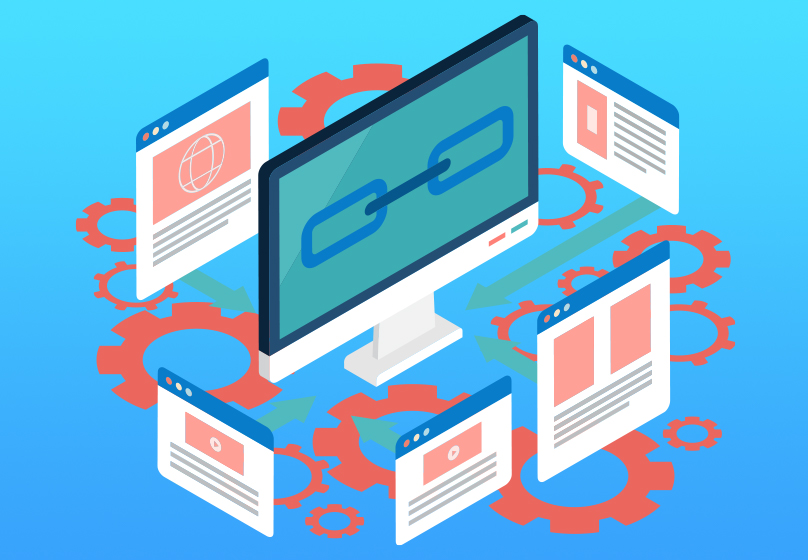
Internal links help distribute SEO power and support user navigation on the website. Build a reasonable internal link system, focus on important articles and deploy the Topic Cluster model to create a clear content structure for Googlebot.
6. Maintain reasonable link density
Whether internal or external, inserting too many links in a paragraph is counterproductive. It is best to maintain a moderate density, only place links in really necessary positions and focus on quality instead of quantity.
V. Mistakes to avoid when creating Contextual Links
Although Contextual Links are an important factor in SEO, if implemented incorrectly, they can be counterproductive and cause Google to rate the website low. Here are some common mistakes you should avoid:
1. Overusing keywords in anchor text
Using too many anchor texts containing exact match keywords will make the link look unnatural. This not only annoys readers but also increases the risk of being penalized by Google Penguin.
2. Linking to an unreliable or irrelevant website
A contextual link is only valuable when it points to a reputable and relevant source. If you link to spam websites, weak content or websites that are not on the same topic, Google will consider it a sign of manipulation and reduce the reputation of the page.
3. Using too many links in an article
An article containing too many links will distract users and make it difficult for Google to determine what the main content is. Instead of inserting densely, you should prioritize a sufficient number, focusing on links that really bring value.
4. Inserting unnatural links
If links are added in a forced way, not in line with the context, readers will feel uncomfortable. This reduces the user experience and makes Google rate the content as unnatural.
5. Focusing on quantity but ignoring quality
Some SEOers often chase after the quantity of links without paying attention to quality. However, just a few high-quality links are still more valuable than dozens of backlinks from low-quality sources.
6. Using the same anchor text over and over
When all links use the same type of anchor text, Google will consider it an over-optimization behavior. Instead, you need to diversify your anchor text by combining main keywords, extended keywords, LSI keywords and natural anchors.
VI. Conclusion
Contextual Links are one of the key factors that help improve search rankings, optimize user experience and increase website credibility. Unlike links in the footer or sidebar, contextual links are natural, seamless and are more highly valued by Google.
Building Contextual Links is an important step in SEO and also a long-term strategy for sustainable website development. If implemented correctly, they can help increase traffic, keep readers on your site longer, and make your content structure clearer.
Table of Contents
Related news

What Is a Landing Page? Key Differences Between a Landing Page and a Website
What is a landing page? Learn how landing pages work, where they appear, and the key differences between landing pages and websites for marketing success fast!

Website Design Technology: Which Platform Should Your Business Choose?
Explore website design technologies, compare platforms, key criteria, common mistakes, and choose the right solution to scale your business effectively today.
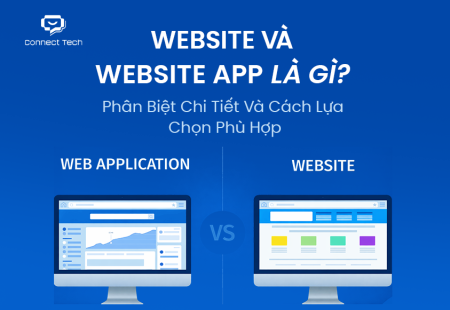
What Are Website and Web App? Detailed Distinction and How to Choose the Right One
Learn the key differences between a Website and Web App. Compare their functions and goals to choose the right digital solution for your business strategy now.
Pros and Cons of CMS Software: Should Businesses Use It for Their Website?
Explore the pros and cons of CMS software for business websites and decide whether CMS or custom development fits your long term growth strategy best today.
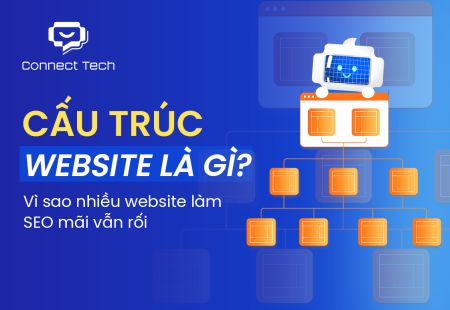
What Is Website Structure? Why So Many SEO Websites Stay Messy for Years
Learn what website structure is, why many SEO websites stay messy for years, and how to build a clear, scalable SEO-friendly structure that ranks and converts.
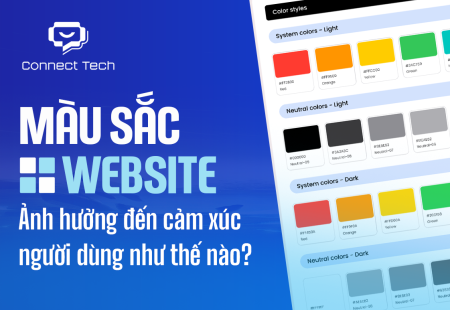
How Website Colors Influence User Emotions
How website colors shape user emotions, trust, and conversion. Learn common mistakes, color psychology, and how to choose colors that drive action growth now