Loading Table of Contents...
What Is a Landing Page? Key Differences Between a Landing Page and a Website
Quick Summary
Collapse
What is a landing page? Learn how landing pages work, where they appear, and the key differences between landing pages and websites for marketing success fast!
Have you ever clicked on an advertisement on Google or Facebook and immediately been taken to a page that focuses on only one product, one offer, or one specific action? There are not too many menus and not many different links. There is only clear information and a call-to-action button such as signing up, making a purchase, or leaving contact information. Doesn’t this experience feel very familiar?
That page is a landing page. But what exactly is a landing page, why do almost all online marketing campaigns rely on it, and how is a landing page different from a regular website? Many businesses already have a website but still have not fully leveraged the power of landing pages to increase conversion rates.
In this article, the concepts will be explained in a simple and easy-to-understand way. The content will clarify what a landing page is, where landing pages commonly appear, and how to distinguish a landing page from a website in detail. When the core concept is properly understood, building the right landing page can help marketing campaigns perform more effectively and significantly improve customer conversion rates.
I. What Is a Landing Page? Understanding the Concept of a “Landing Page”
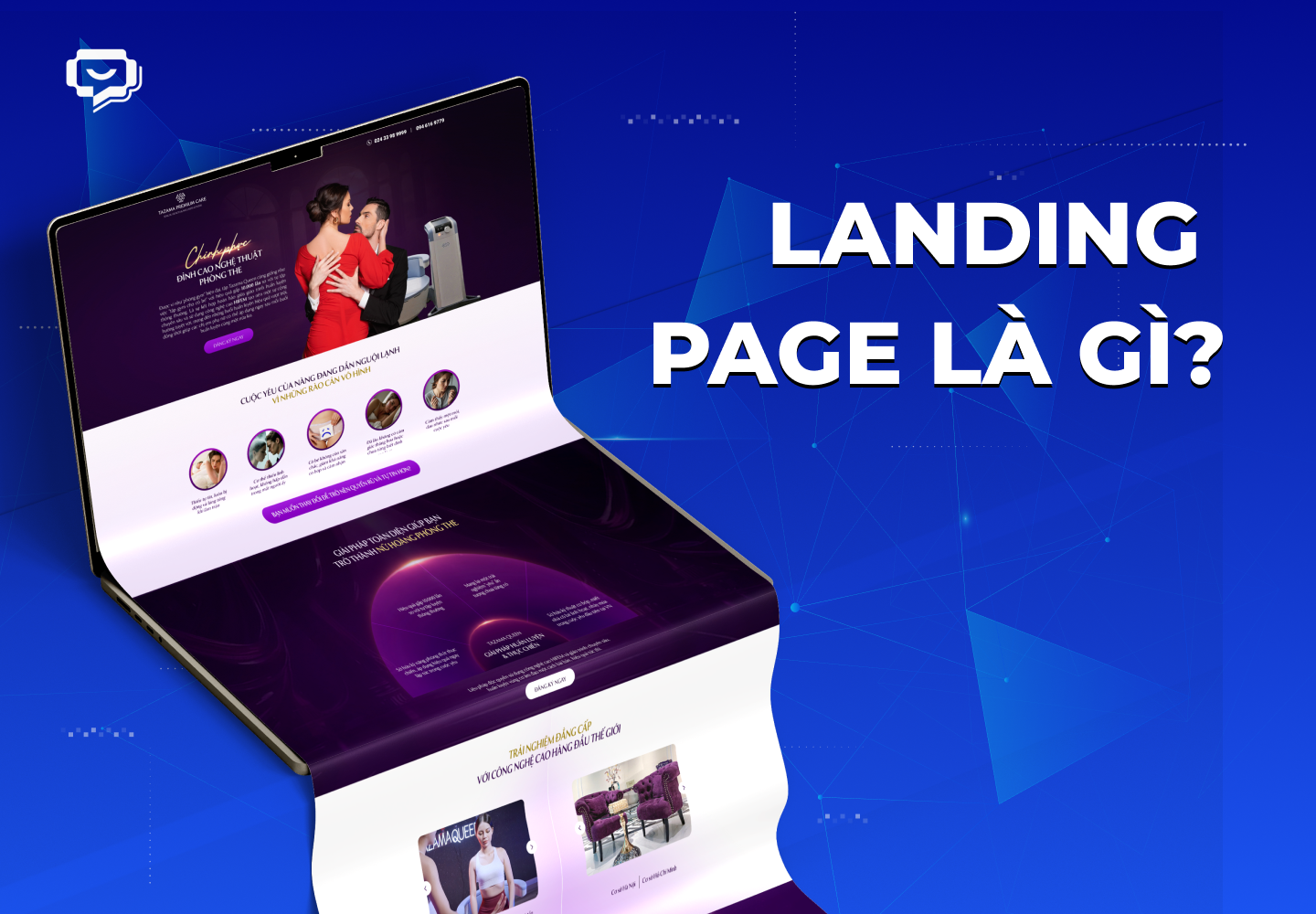
What is a landing page? Simply put, it is a standalone web page created with a single purpose: to encourage visitors to perform one specific action that you want them to take.
The term “landing page” comes from its very nature. When users click on an advertisement, a marketing email, or a link on social media, they will land on this page. It is not the homepage and not a general product page, but a page designed specifically to focus entirely on the message of that particular campaign.
What makes a landing page different from regular web pages is its intentional simplicity. There are no complicated navigation menus and no distracting links that lead visitors elsewhere. Every element on the page, from the headline and images to the content and even the color of the button, serves a single action.
The Core Goal of a Landing Page
Isn’t the ultimate goal of every marketing activity to convert customers? A landing page is created precisely to support that objective.
The core goals of a landing page usually include:
- Collecting potential customer information: such as email addresses, phone numbers, or consultation requests.
- Increasing sign-ups or purchases: a landing page helps visitors focus on one action instead of being distracted by multiple pieces of content.
- Optimizing advertising campaign performance: when running Google Ads or Facebook Ads, a landing page helps ensure that the ad content and the landing page content are closely aligned.
Because it is designed around a single objective, a landing page often delivers higher conversion performance compared to directing users to a homepage.
Landing Page Conversion Rates

One of the main reasons landing pages are widely used in marketing is their ability to improve conversion rates.
According to research from the marketing platform HubSpot, the average landing page conversion rate typically ranges from about 2% to 5%, depending on the industry and the quality of the page content. In many cases, well-optimized landing pages can achieve conversion rates above 10%.
This raises a very practical question. If every advertising campaign could lead users to a page specifically designed to persuade customers, how much could marketing performance improve? This is also the reason why landing pages have increasingly become an important tool in the online marketing strategies of many businesses.
II. Where Do Landing Pages Commonly Appear?
After understanding what a landing page is, a common question often arises. If a landing page is designed to drive user action, where do visitors usually come from?
In practice, landing pages are rarely discovered randomly by users. Most landing pages are placed at specific marketing touchpoints where customers already have a certain level of interest. This helps landing pages focus on persuasion and increase the likelihood of conversion.
1. Google Ads

Have you ever searched for a product on Google and noticed results labeled “Ad” at the top of the search results page? When users click on these advertisements, they are often directed to a landing page.
In Google Ads campaigns, landing pages are designed specifically for each keyword group or advertising campaign. The content on the page is usually directly related to the advertisement that the user has just clicked.
This approach creates a more seamless user experience. At the same time, landing pages help businesses increase the conversion rate from ad clicks into potential customers or actual orders.
2. Facebook and Instagram Ads
One of the most common places where landing pages appear is in social media advertising. When users click on an advertisement on Facebook or Instagram, instead of being directed to the website homepage, they are often taken to a landing page designed specifically for that campaign.
For example:
- Landing page for course registration
- Landing page for service consultation
- Landing page introducing a new product
With a design that focuses on a single message, landing pages help visitors easily understand the value of the product and take action directly on the page.
3. Email Marketing
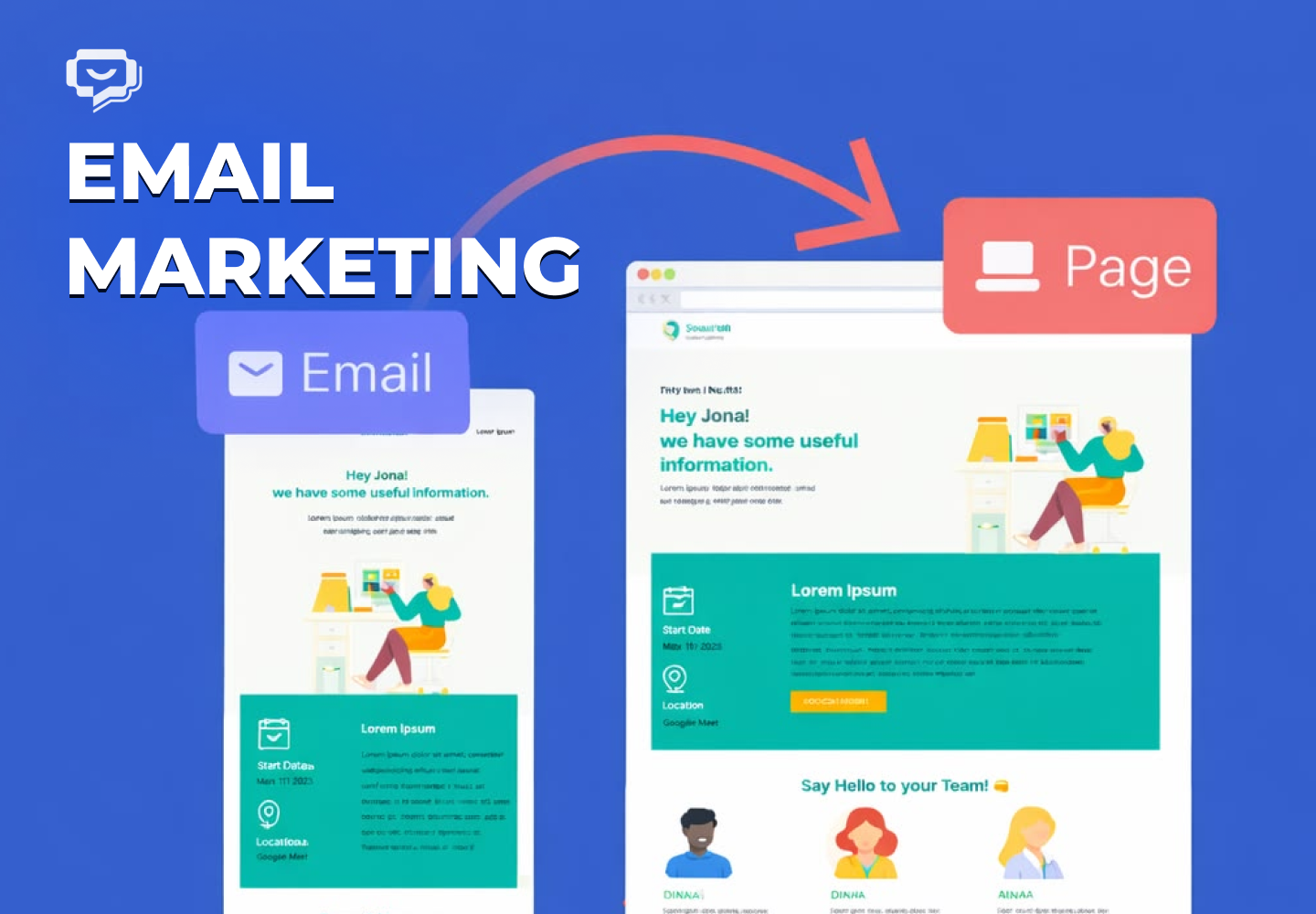
Have you ever received a promotional email or a product announcement email from a familiar brand? In these emails, there are often call-to-action buttons such as:
- Sign up now
- Get the offer
- View product details
When users click these buttons, they are directed to a specific landing page. In email marketing, landing pages play an important role because they help turn the initial interest generated by the email into real actions such as filling out a form or making a purchase.
4. Links in Blog Posts or Website Content
Landing pages can also appear in blog posts, knowledge-sharing articles, or other content on a website.
For example, in a blog post about marketing, the content may suggest that readers download a free resource or register for a consultation. When readers click the call-to-action button, they are directed to a landing page.
This approach helps leverage traffic from content to convert readers into potential customers.
5. Links from Social Media or Communication Campaigns

Besides paid advertising, landing pages can also be shared directly on:
- Facebook posts
- Zalo
- Communication campaigns or online events
In these cases, the landing page acts as the central information hub of the campaign, where all content and calls to action are concentrated.
III. How Are Landing Pages and Websites Different?
After understanding what a landing page is, a very common question often arises. If a business already has a website, how is a landing page different and why is it still necessary to create a separate page?
At first glance, both landing pages and websites are pages displayed on the internet. However, the goals, structure, and usage of these two types of pages are very different. A website usually serves multiple purposes at the same time, while a landing page is designed to focus on a specific conversion action.
The table below helps clarify the differences between a landing page and a website.
|
|
|
|
|
|
|
|
|
|
|
|
|
|
|
|
|
|
|
|
|
|
|
|
|
|
|
|
Looking at the table above, it becomes clear that landing pages and websites do not compete with each other but complement each other. A website builds trust and a long term brand foundation, while a landing page acts as a direct conversion tool for specific campaigns.
IV. Conclusion
From the points above, it becomes clear that understanding what a landing page is goes beyond a simple marketing concept. It is also an important tool that helps businesses improve conversion performance. When designed with the right objective, a landing page helps focus the message, guide visitors to take action, and support advertising campaigns to perform more effectively.
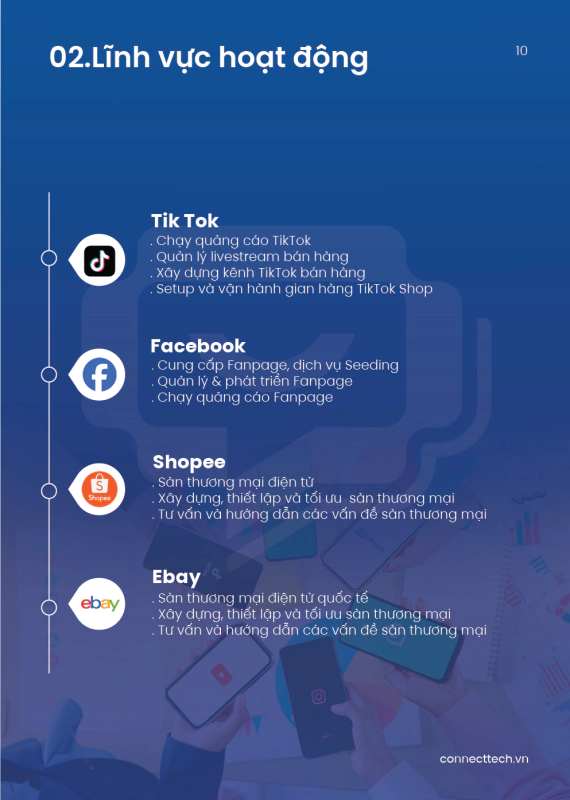
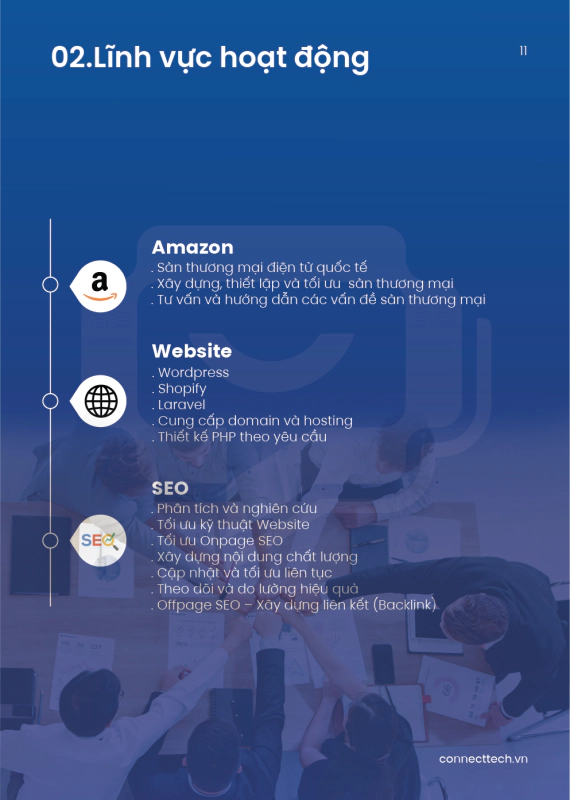
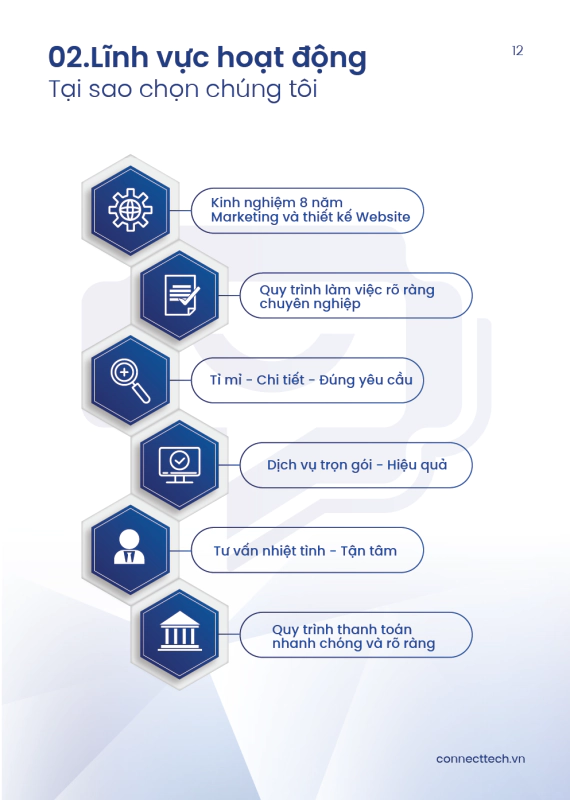
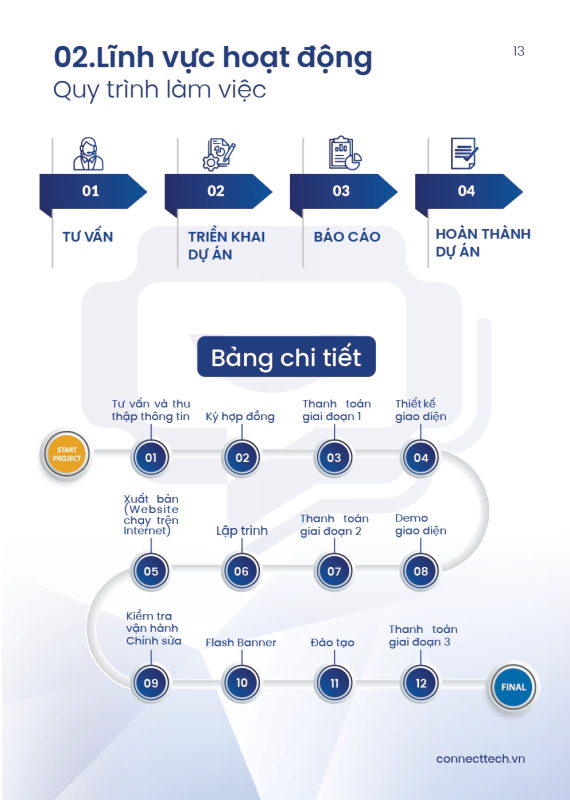
Are you planning to launch a campaign? Or looking to build a professional website platform for your brand? Connect Tech provides Landing Page and Website design services built not only to look good but to truly convert.
The Connect Tech team understands that every business has different goals and different customer segments. For that reason, every product is researched and customized instead of following a fixed template.
The service includes:
- Landing Page design optimized for conversion in each campaign
- SEO-friendly Website design that is professional and easy to manage
- Post-delivery support to ensure stable website operation
If you are looking for a team that does not only build websites but truly understands marketing and conversion, let Connect Tech be your partner.
Related Article:

Table of Contents