Loading Table of Contents...
What is a Brand Archetype? Its role in branding strategy
Quick Summary
Collapse
Brand Archetype helps a brand truly define a clear personality, effectively connect with customers, build trust, and stand out in a highly competitive market.
When it comes to branding, many people immediately think of logos and slogans. But in reality, the true power of a brand lies in its ability to evoke emotions and build connections with customers. The Brand Archetype is the key that helps businesses shape this personality clearly and consistently. Thanks to it, a brand becomes not only more recognizable but also more likely to earn trust and affection from its audience. In this article, we’ll explain what a Brand Archetype is, introduce the 12 common archetypes, explore their role in brand building, and show you how to identify and apply them in practical strategy.
I. What is a Brand Archetype?
A Brand Archetype is a model that represents the core personality, values, and behaviors of a brand. It helps the brand express a clear and recognizable identity in the eyes of customers.
The concept of Brand Archetype is developed based on the personality archetype theory of psychologist Carl Jung. Jung believed that there are universal archetypes embedded in the collective unconscious of all people, and brands can leverage these models to build a clear and structured personality.
The Significance of Brand Archetypes
- Ensuring consistency: Helps brands maintain a unified personality and message across all communication, marketing, and design activities.
- Emotional connection: Enables brands to foster empathy and deep emotional bonds with customers by reflecting familiar and beloved personality traits.
- Strategic direction: Serves as a vital tool for planning communication campaigns, advertising, and brand development in a methodical way.
II. 12 Common Brand Archetypes
1. The Ruler
Represents luxury, authority, and prestige. Brands in this archetype often position themselves as leaders, evoking a sense of control and grandeur. Their language tends to be authoritative, with refined, high-end design that asserts dominance within the industry.
2. The Caregiver
Embodies care, protection, and reliability. Brands following this archetype prioritize customer well-being, offering reassurance and a sense of being nurtured. Their main goal is to serve, support, and build long-term trust.
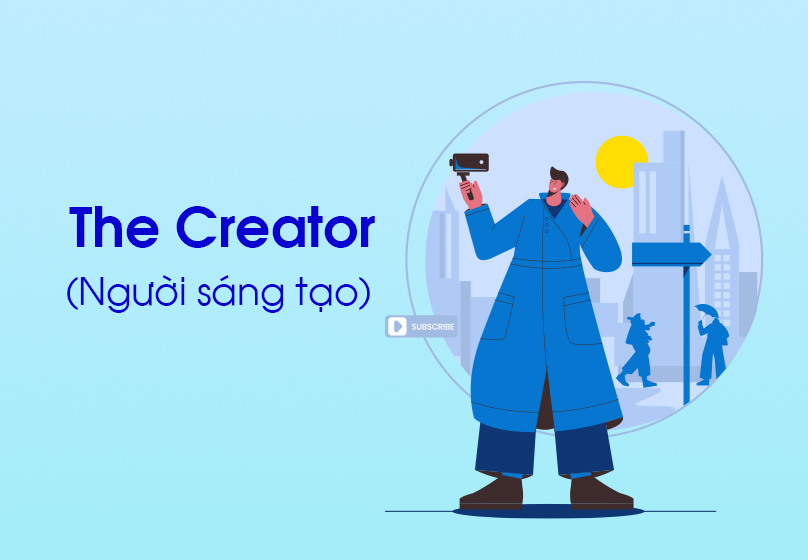
3. The Creator
Symbolizes imagination, limitless creativity, and innovation. These brands encourage self-expression, celebrate uniqueness, and often deliver breakthrough products that inspire creativity in their customers.
4. The Jester
Represents joy, entertainment, and optimism. Brands in this archetype often bring laughter, comfort, and turn everyday experiences into something delightful. They connect with customers through humor and playfulness.
5. The Regular Guy/Girl
Friendly, approachable, and empathetic. This archetype helps brands feel familiar—like a “friend” to the customer—with a simple, accessible, and unpretentious style. The main goal is to build connection through sincerity and trust.
6. The Lover
Focused on love, romance, and sensuality. Brands in this archetype evoke deep emotions and attract through visual appeal, expressive language, and immersive experiences. Their aim is to build lasting relationships based on intense emotional connection.
7. The Hero
Symbolizes courage, strength, and the ability to overcome challenges. Brands following this archetype seek to inspire customers, empowering them to grow stronger and break through limits. Their style is bold, motivational, and full of drive.
8. The Outlaw
Boldly unconventional, independent, and defiant of traditional norms. Brands in this archetype emphasize freedom, uniqueness, and a fearless attitude toward breaking the “rules.” Their goal is to attract customers who want to express a strong, rebellious identity.
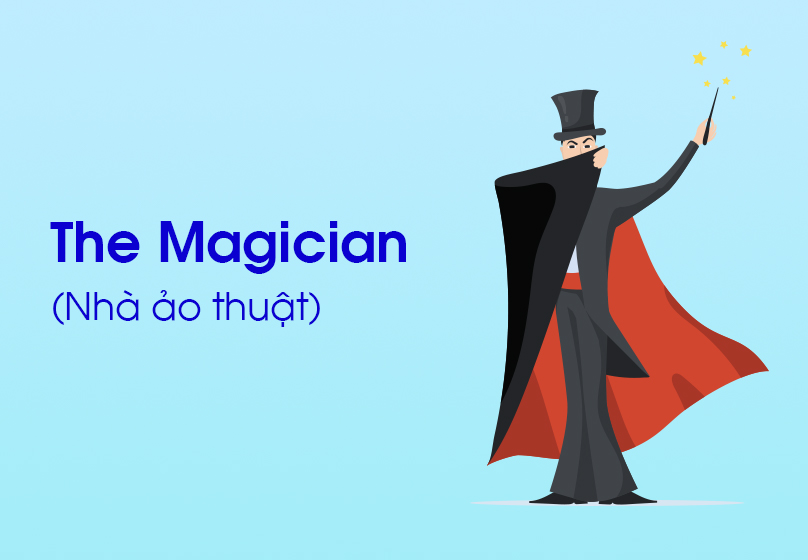
9. The Magician
Represents transformation, wonder, and the power to change lives. These brands offer extraordinary, sometimes unbelievable experiences that make customers feel as if they’ve entered a new world. Their mission is to inspire and instill belief in the possibility of change.
10. The Innocent
Represents purity, simplicity, and belief in the goodness of life. Brands in this archetype often aim for clarity, safety, and positivity. Their messaging is gentle, with bright colors that help customers feel reassured and at ease.
11. The Explorer
Symbolizes freedom, adventure, and discovery. These brands encourage customers to step outside their comfort zones, challenge themselves, and seek new experiences. Their imagery often revolves around journeys, travel, and a sense of boundlessness.
12. The Sage
Embodies knowledge, wisdom, and the sharing of valuable insights. Brands in this archetype tend to have a scholarly, rational, and trustworthy tone. Their goal is to educate, guide, and build trust through expertise.
III. The Role of Brand Archetypes in Building a Brand
Brand Archetypes help brands grow sustainably through the following key roles:
1. Building strong emotional bonds with customers
Brand Archetypes allow brands to tap into customers’ psychology and emotions. When a brand reflects familiar personality traits, customers are more likely to empathize, trust, and stay loyal over time.
2. Providing a strategic framework for all marketing activities
A Brand Archetype serves as a “north star” for decisions related to logo design, slogans, color schemes, messaging, and advertising campaigns—ensuring consistency across every customer touchpoint.
3. Establishing a clear and consistent brand personality
Defining a brand’s archetype gives it a distinctive “personality,” from tone of voice and design style to storytelling approach. This alignment ensures that all marketing and communication efforts follow a unified direction, making the brand instantly recognizable from the very first interaction.

4. Helping the brand break through and stand out in a cutthroat environment
In a competitive business environment, Brand Archetypes help a brand stand out thanks to a distinctive and unique personality, making it easier for customers to remember and choose the brand over competitors that have not clearly defined themselves.
Read more: What is Omnichannel Marketing? Benefits and Practical Strategies
IV. How to identify the right Brand Archetype
To select an appropriate Brand Archetype, a business needs to follow a methodical process that combines a deep understanding of the brand itself and its target customers.
1. Establish core values and brand development goals
The first step is to clearly understand what the brand wants to convey. This includes:
- Mission: What is the brand’s purpose for existing?
- Vision: The long-term direction the brand is aiming for.
- Core principles: The foundational values that guide the brand’s behaviors and decisions.
Once these elements are clearly defined, the business has a basis for choosing a brand archetype that accurately reflects its “personality” and development goals.
2. Analyze the target customers
Understanding customers is a crucial step to enable the brand archetype to create emotional connection. Key factors to research:
- Needs and desires: What matters to customers? What experiences are they seeking from the brand?
- Preferences and lifestyle: How do customers tend to choose products or services?
- Values and attitudes: Which principles and life views influence their decisions?
A detailed analysis will help the business identify the archetype that customers can empathize with and readily connect to.

3. Choosing the Right Brand Archetype
Based on the brand’s core values and the characteristics of its target audience, the business selects the most suitable Brand Archetype. Surveys or questionnaires can be used to gather customer feedback. Ensure that the chosen archetype reflects the brand’s core personality and resonates with the target audience. The archetype must align with the brand’s messaging and support its long-term strategic direction.
4. Applying the Archetype to the Brand
Once the appropriate archetype is identified, it should be implemented across all brand identity and communication elements:
- Logo, colors, typography: Should reflect the personality and emotional tone of the archetype.
- Messaging and tone of voice: Must be consistent across the website, social media, and advertising.
- Marketing channels and campaigns: Select channels and approaches that align with both the archetype and the target audience.
When applied consistently, the brand becomes more recognizable and leaves a lasting impression on customers.
V. Key Considerations When Implementing a Brand Archetype
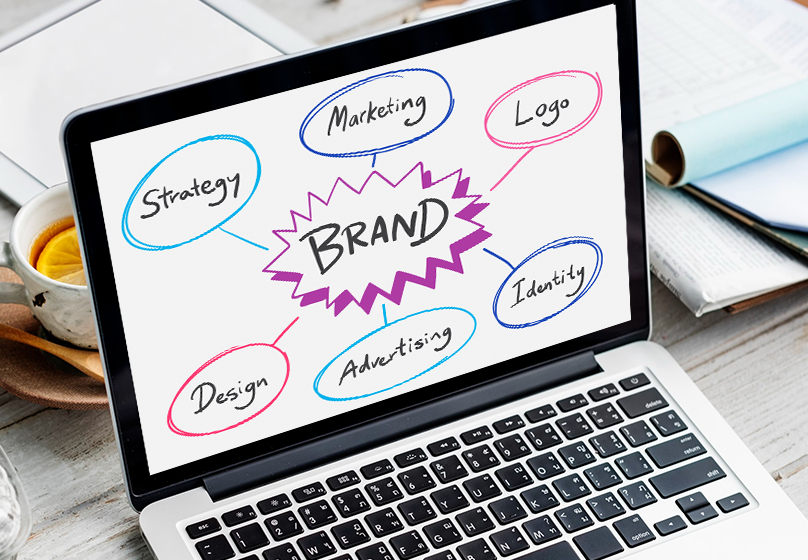
When applying a Brand Archetype, businesses should pay attention to the following essential principles to ensure effectiveness and maintain distinctiveness:
1. Maintain consistency across all brand touchpoints
Every brand element—from logo design, color palette, and tone of voice to marketing content and customer experience—should consistently reflect the chosen archetype. This consistency helps customers perceive the brand as trustworthy and relatable.
2. Align with target customers and core brand values
The Brand Archetype must embody the brand’s personality and core values while also meeting the desires and needs of the target audience. If the archetype doesn’t resonate, it will be difficult for the brand to build emotional connection and empathy.
3. Avoid imitation and preserve uniqueness
Brands should not copy the archetypes of others. Each Brand Archetype must be developed based on the brand’s own identity to maintain distinctiveness and leave a lasting impression in the market.
4. Continuously monitor and adjust
Customer behavior and expectations can evolve over time. Businesses should track customer feedback and market trends to refine the archetype when necessary, ensuring it remains relevant and effective within the brand’s growth strategy.

VI. Conclusion
Brand Archetypes empower businesses to build a strong, memorable, and consistent brand. Developing the right archetype allows the brand to forge deep emotional connections with customers, thereby increasing trust and leaving a lasting impression in their minds.
To achieve optimal results, businesses should thoroughly study the 12 brand archetypes and select one that truly reflects their core values. When applied consistently across all marketing activities, the brand will stand out and differentiate itself in a competitive marketplace.

Table of Contents