Loading Table of Contents...
What Are Dofollow and Nofollow? How to Differentiate & Optimize Backlinks for SEO
Quick Summary
Collapse
What are dofollow and nofollow? Discover the difference between these two types of backlinks in SEO, how to check them, and how to build a safe, effective link strategy.
Backlinks are considered one of the most important factors in improving a website's ranking on Google. When you have high-quality links pointing to your site, Google views your content as more credible and may rank it higher. However, not all backlinks are the same; they are mainly divided into two types: dofollow and nofollow.
So, what are dofollow and nofollow? How are they different, and how do they impact your SEO strategy? Understanding and using dofollow and nofollow backlinks correctly will save you time and effort during optimization. Let’s explore this topic with Connect Tech.
What Are Dofollow and Nofollow?
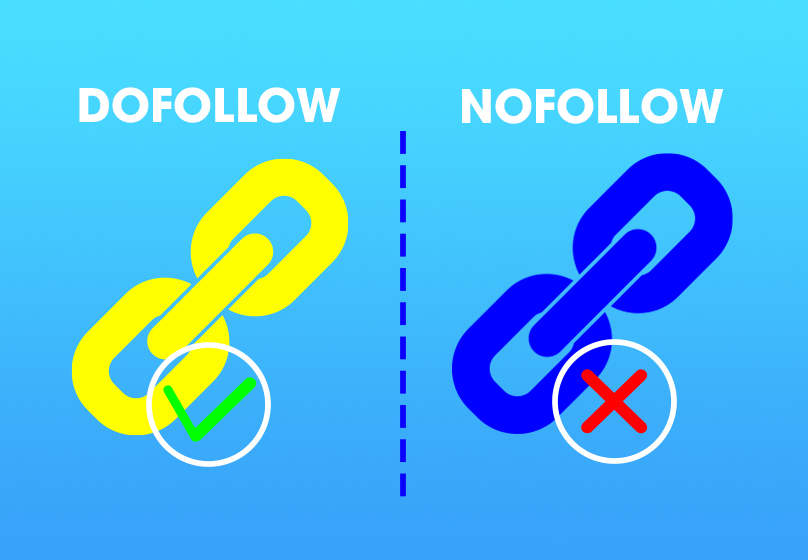
Dofollow and nofollow are two attributes added to links to guide how search engines interpret them.
- A dofollow link allows search engines to follow it and recognize the relationship between your site and the linked page. This can help the linked page improve its ranking in search results.
- A nofollow link tells search engines not to pass SEO value from your site to the linked page.
In simple terms, the key difference between dofollow and nofollow in SEO lies in whether the link passes SEO value. Understanding how each type of link functions is crucial for optimizing a strategy that leverages both dofollow and nofollow backlinks effectively.
The Difference Between Dofollow and Nofollow
The table below summarizes the main differences between dofollow and nofollow backlinks:
|
|
|
|
|---|---|---|
|
|
|
|
|
|
|
|
|
|
|
|
|
|
|
|
Both link types play distinct roles in SEO. An effective strategy involves a smart balance of dofollow and nofollow in SEO, rather than focusing on just one type.
When to Use Dofollow and When to Use Nofollow?
Choosing between dofollow and nofollow depends on the purpose of the link, the reliability of the source, and its overall effect on your SEO strategy.
Use dofollow links when:
- Linking to reliable, high-quality content relevant to your topic.
- You want to pass SEO value to the linked page (e.g., internal links or trusted partners).
- You’re creating internal links between blog posts, product pages, or categories to guide users and improve overall ranking.
Use nofollow links when:
- Linking to ads, affiliate content, or paid media.
- Allowing user-generated content (comments, forums) where link quality can't be fully controlled.
- Linking to external sources you don’t want to endorse with SEO value (e.g., unverified news).
In summary, dofollow backlinks aren’t always good, and nofollow backlinks aren’t bad. Each has its role. Using them properly ensures strong, balanced SEO performance and long-term website safety.
How to Check Dofollow and Nofollow Links on a Website
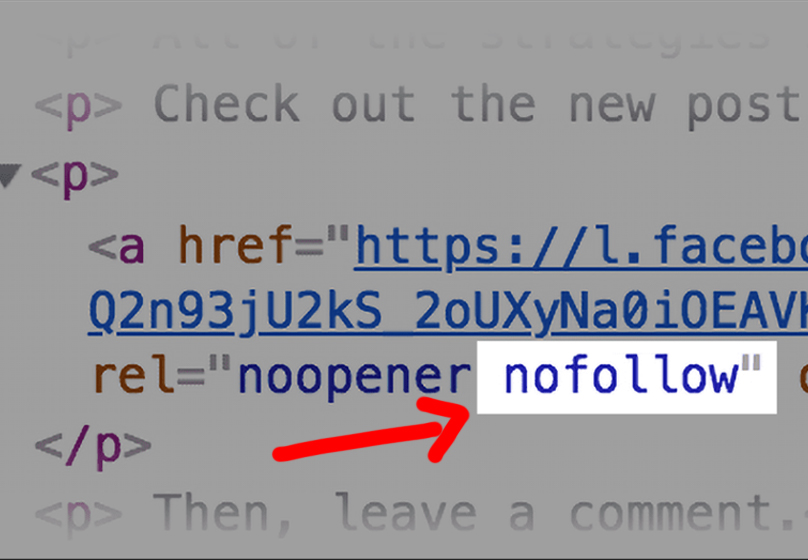
Identifying whether a link is dofollow or nofollow is straightforward. You can check manually or use tools to speed up the process.
Method 1: Manual check via browser
Method 2: Use browser extensions
Several free tools can help you quickly identify link types without viewing code:
- NoFollow (Chrome extension): Highlights nofollow links with a red border.
- MozBar: Displays link attributes.
- Ahrefs SEO Toolbar, SEOquake: Provide detailed backlink data.
Method 3: Use backlink analysis tools
To check large volumes of dofollow and nofollow backlinks, use:
Read more article: Top Free and Effective SEO Tools to Optimize Your Website

How Do Dofollow and Nofollow Affect SEO Strategy?
1. Dofollow Boosts Authority and Ranking
Dofollow links from high-authority sites can:
- Pass SEO value (link juice) to your pages.
- Increase domain authority in the eyes of search engines.
- Improve keyword rankings in search results.
When building dofollow backlinks, focus on:
2. Nofollow Controls Risk and Balances Profile
While nofollow links don’t directly influence rankings, they still matter:
- Help create a natural backlink profile (mixed link types).
- Reduce the risk of penalties from unnatural linking.
- Can still drive real traffic from forums, comments, or third-party mentions.
3. Balanced Link Profile Is Key
How to Build an Effective Backlink Strategy with Dofollow and Nofollow
1. Prioritize Dofollow Links from Trusted Sources
- Focus on websites with high domain authority.
- Get dofollow backlinks from content related to your niche.
- Write guest posts, contribute to industry blogs, or partner with relevant websites.
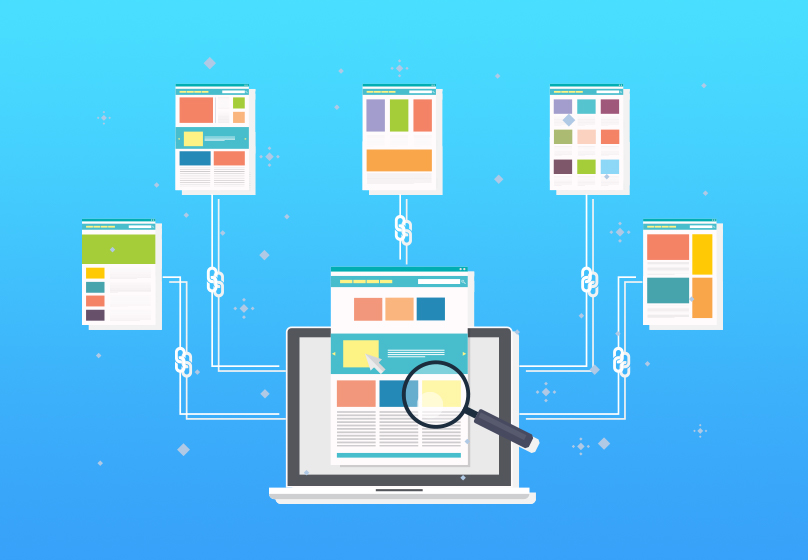
2. Diversify Your Backlink Sources
- Avoid relying on just one type of content or platform.
- Mix blog posts, forums, social media, business profiles, etc.
- Include both dofollow and nofollow links to build a natural link profile.
3. Use Nofollow Links Strategically
- Apply nofollow to sponsored links, affiliate pages, or questionable sources.
- Use it when linking externally without wanting to pass SEO value.
4. Monitor and Evaluate Regularly
- Use tools like Ahrefs or Google Search Console to audit your backlinks.
- Check where dofollow and nofollow backlinks come from and whether they’re safe.
- Disavow toxic links if necessary.

Conclusion
Are you looking to implement SEO or build a safe, high-quality backlink strategy for your website? Connect Tech is ready to support you from analysis and optimization to execution. Contact our SEO experts today for a free consultation.

Table of Contents