Loading Table of Contents...
Forbidden Words in Facebook Ads and Effective Guidelines to Avoid Violations
Discover the list of forbidden words in Facebook Ads, reasons for restrictions, and how to write safe, compliant content for campaigns that perform effectively
Forbidden Words in Facebook Ads are something every advertiser must pay special attention to before launching a campaign. Facebook enforces very strict regulations regarding language, images, and content; using even a single forbidden word can cause your ad to be rejected, your account to be restricted, or your budget to be wasted without achieving results.
The following article will help you understand the list of forbidden words in Facebook advertising, the reasons for ad restrictions, and how to craft safe, policy-compliant ad copy to ensure maximum campaign effectiveness.
I. Why You Should Avoid Forbidden Words in Facebook Ads
Facebook is a major online advertising platform that allows businesses to reach billions of users every day and promote their products and services quickly. However, along with these opportunities come strict regulations regarding content, language, and visuals. Facebook’s artificial intelligence system scans and evaluates every ad to ensure it does not violate policies or negatively impact the user experience.
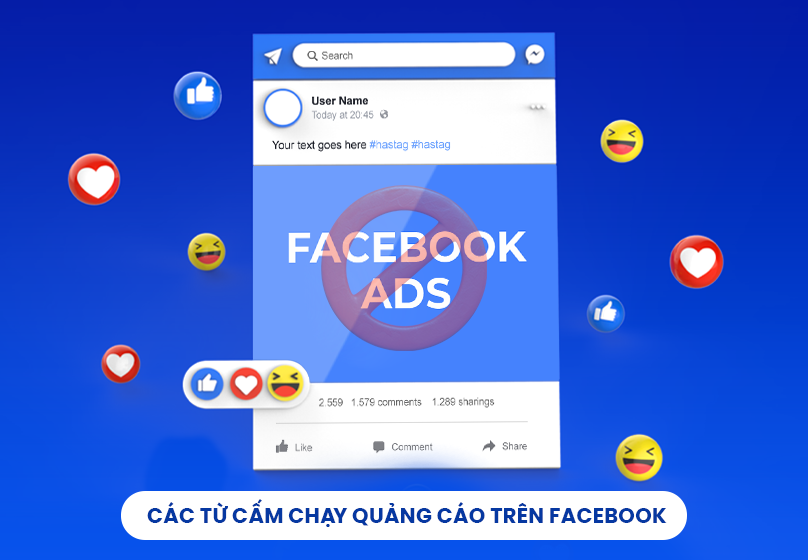
Accidentally using forbidden words in Facebook ads, even just a short phrase, can cause your ad to be rejected, its reach reduced, or your account permanently disabled. This not only wastes your advertising budget but also directly affects your brand’s credibility and long-term communication effectiveness.
II. List of Forbidden Words in Facebook Ads by Category
1. Finance – Banking Sector
- Restricted words: loan, lending, unsecured loan, interest rate, borrow, tax, finance, quick investment, etc.
- Explanation: Facebook restricts content related to loans, investments, income, or quick profits because such topics can easily lead to misunderstanding, fraud, or user risk.
2. Healthcare – Medical Sector
- Forbidden words: cure, treatment, cancer, diabetes, erectile dysfunction, weight loss pills, dietary supplements, etc.
- Explanation: Facebook does not allow content that claims to cure diseases or guarantees treatment results without official medical certification. This policy aims to protect users from misleading health information.
3. Discriminatory or Biased Language
- Includes: gender, age, race, religion, nationality, sexual orientation, health condition, social status, etc.
- Explanation: Facebook strictly prohibits words that express discrimination, prejudice, or personal targeting, ensuring that the advertising environment remains respectful and fair for everyone.

4. Education & Employment Sector
- Restricted words: guaranteed job, high salary, zero tuition, huge income, 100% commitment, best, most effective, etc.
- Explanation: Facebook does not allow absolute promises or unverified income claims, as these can be misleading or false advertisements that deceive users.
5. Sensitive Products & Suggestive Images
- Prohibited content: sexually suggestive images, adult products, lingerie, stimulating cosmetics, nudity, etc.
- Explanation: Facebook strictly bans sexual, suggestive, or inappropriate content, especially in ads for sensitive products such as lingerie or personal care items. This ensures that all ads remain suitable for the community.
6. “Before and After” Comparison Errors
- Examples: weight loss, acne treatment, skin whitening, appearance improvement, money-making, etc.
- Explanation: Facebook does not allow direct “before-and-after” comparisons because they can create false expectations or unrealistic results for users.
7. Copyright & Trademark Violations
- Common mistakes: using logos, images, or brand names like Nike, Apple, Chanel, etc.
- Explanation: This constitutes a copyright or trademark infringement, which may cause your ads to be removed, reported, or lead to legal complaints.
III. Reasons Why Ads or Accounts Get Restricted
1. Violating Facebook’s Advertising Policies
This is the most common cause. When an ad contains forbidden words, sensitive images, misleading content, or restricted products, Facebook’s system will automatically block or limit the account to maintain a transparent and safe advertising environment.

2. Unusual Login Activity or Suspected Fraud
If Facebook’s system detects that your account has been accessed from multiple devices, IP addresses, or countries within a short period, it may temporarily lock your account for security verification. This helps prevent potential hacking or unauthorized use.
3. Failure to Pay Advertising Fees on Time
If you delay or miss payments for your ads, your account will be suspended until the transaction is completed. If the issue persists, Facebook may permanently restrict your payment method or ad account.
4. Account with Multiple Policy Violations
Accounts that receive frequent warnings or repeated ad rejections are considered high-risk. In such cases, Facebook may limit your budget, reduce ad delivery, or suspend the account to prevent further violations.
5. Reported for Inappropriate Content
When an ad receives too many reports from users for being offensive, misleading, deceptive, or inappropriate, Facebook’s system will automatically review the ad and may pause, remove it, or even disable the account.
6. Use of Sensitive Images or Words
Sexually suggestive, violent, or provocative content can lead to ad rejection. Facebook prioritizes safe, friendly, and community-appropriate content, ensuring a positive experience for all users.
7. Impersonation or Use of False Information
If you impersonate an organization, brand, or individual, or use false or misleading information in your ads, Facebook may remove all your campaigns and immediately disable your account to protect users from fraud.

IV. How to Write Safe Facebook Ads and Avoid Getting Blocked
1. Use Neutral, Non-Misleading Language
Avoid using words that make absolute claims or guaranteed results. Facebook considers such wording potentially misleading to users. Example:
“Lose weight fast in 7 days” → “Helps you manage your weight more effectively.”
2. Replace Forbidden Words with Softer Alternatives
Some restricted keywords can be rephrased in a more natural and indirect way to ensure compliance. Examples:
- “Cure completely” → “Helps improve the condition.
- “Massive income” → “Increase your income opportunities.”
- “Fat reduction” → “Supports a more balanced body shape.
3. Review Facebook Ads Policies Before Publishing
Before launching a campaign, always check the latest updates in the Facebook Ads Policy Center. Regularly reviewing these guidelines helps you avoid violations and save time during ad review.
4. Avoid Absolute Promises; Use Flexible Wording
Phrases like “100% effective” or “money-back guarantee” are often flagged as exaggerated claims. Instead, use trust-building and flexible language that still conveys credibility. Examples:
- “Trusted by many customers.”
- “Noticeable improvement after consistent use.”
5. Use Real, Non-Shocking, Non-Explicit Images
Ad visuals should be clear, relevant to the product, and suitable for the target audience. Avoid provocative, offensive, or shocking content. Natural, authentic images help your ads get approved more easily and build stronger trust with viewers.
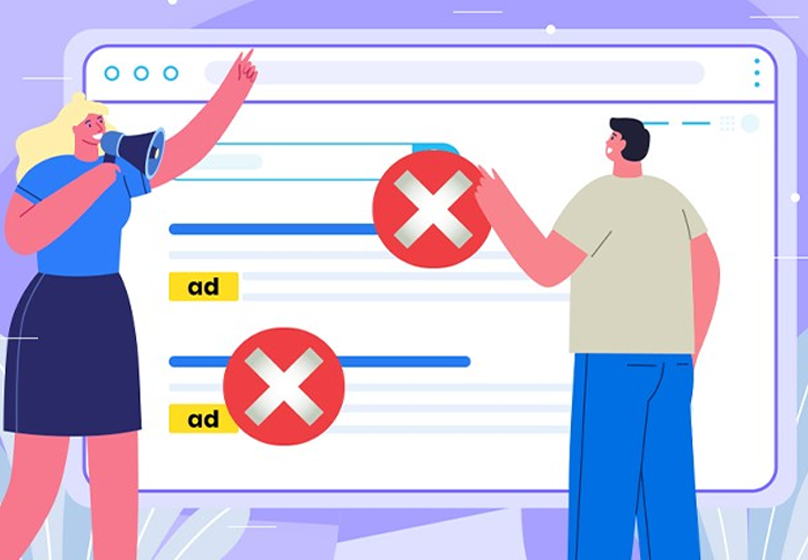
6. Ensure the landing page content also complies with the policies
Facebook reviews all related content, including the landing page. If the landing page contains prohibited keywords, sensitive images, or exaggerated claims, your ad may still be rejected even if the main ad content meets the requirements.
V. Conclusion
Avoiding forbidden words in Facebook ads not only helps your ads get approved faster but also protects your account and brand reputation. Facebook continuously tightens its policies to maintain a transparent advertising environment, meaning even a single inappropriate word can cause your ad to be blocked.
Businesses should carefully review their content before launching ads, use natural, non-exaggerated language, and stay updated with Facebook’s policies. Doing so ensures your campaigns run smoothly, your brand appears more professional, and your ads reach customers more effectively.
Want to run safe and high-performing Facebook ads? Contact Connect Tech today for complete, end-to-end advertising support!
Table of Contents
Related news

What Is a Landing Page? Key Differences Between a Landing Page and a Website
What is a landing page? Learn how landing pages work, where they appear, and the key differences between landing pages and websites for marketing success fast!

Website Design Technology: Which Platform Should Your Business Choose?
Explore website design technologies, compare platforms, key criteria, common mistakes, and choose the right solution to scale your business effectively today.

What Are Website and Web App? Detailed Distinction and How to Choose the Right One
Learn the key differences between a Website and Web App. Compare their functions and goals to choose the right digital solution for your business strategy now.
Pros and Cons of CMS Software: Should Businesses Use It for Their Website?
Explore the pros and cons of CMS software for business websites and decide whether CMS or custom development fits your long term growth strategy best today.

What Is Website Structure? Why So Many SEO Websites Stay Messy for Years
Learn what website structure is, why many SEO websites stay messy for years, and how to build a clear, scalable SEO-friendly structure that ranks and converts.

How Website Colors Influence User Emotions
How website colors shape user emotions, trust, and conversion. Learn common mistakes, color psychology, and how to choose colors that drive action growth now