Loading Table of Contents...
101 Basic SEO Terms You Need to Know
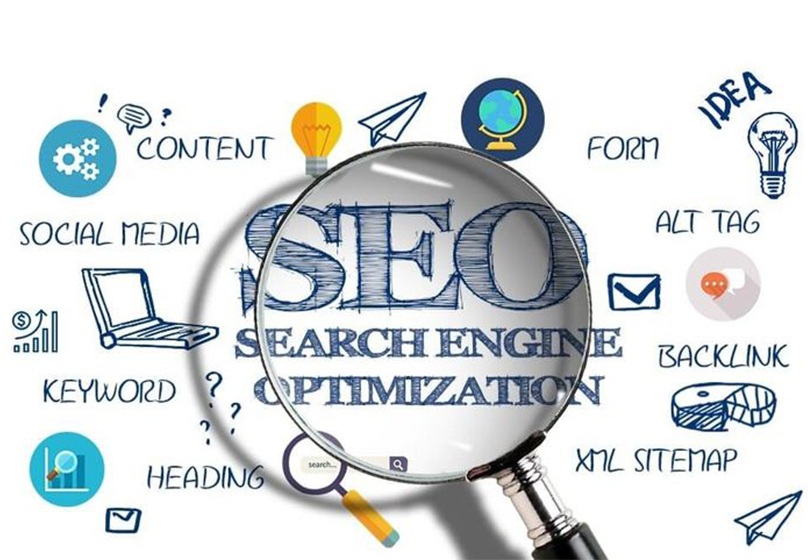
This article compiles 101 essential SEO terms to help you clearly understand their definitions and effectively apply them in search engine optimization. The content is grouped into categories.
When you start learning about SEO, you will likely feel overwhelmed by the abundance of terms that appear throughout the training process. Mastering basic SEO terms is crucial as it not only helps you understand the essence of the strategy but also enables you to implement website optimization more effectively. Let’s explore the most common SEO terms with Connect Tech.
I. What Are SEO Terms?
SEO terms are general references to technical words used in the process of search engine optimization. They are often abbreviations or phrases that describe a specific method, tool, or technique. Understanding these terms will help you grasp knowledge faster, communicate more effectively with colleagues, and avoid common mistakes when running an SEO campaign.
II. Basic SEO Terms Group
1. SEO (Search Engine Optimization): The process of optimizing a website to increase its visibility on search engines and thereby boost organic traffic.
2. Search Engine: A system that allows users to search for information on the Internet. Google is currently the most popular search engine.
3. SERP (Search Engine Results Page): The page that displays results after users enter search keywords.
4. Technical SEO: A term that refers to a set of technical elements that help search engines crawl, understand, and index website content more effectively.
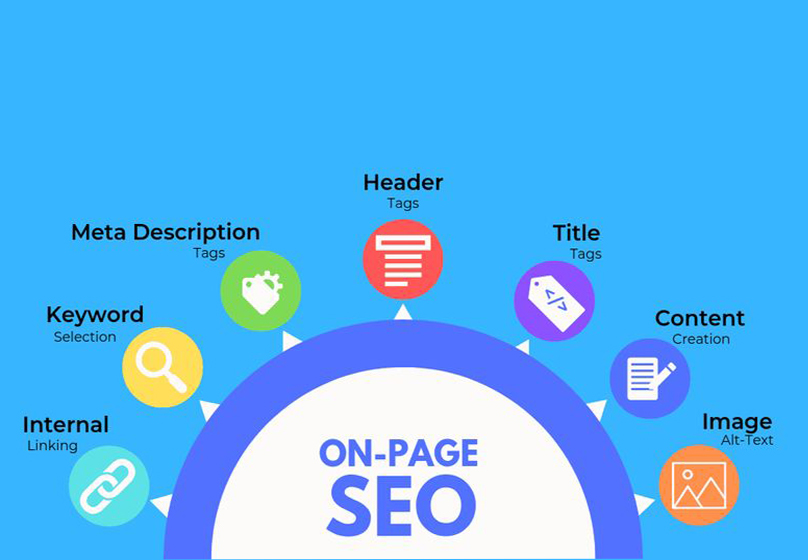
5. SEO On-Page: Optimization of on-site elements such as title, description, content, heading tags, and internal links.
6. SEO Off-page: Optimization of off-site elements such as link building, social signals, or mentions from other websites.
7. Content Marketing: A strategy to create valuable content to attract users and support keyword rankings. This is an indispensable part of modern SEO terms since content is always at the core of optimization strategies.
8. Backlink: A link from another website pointing to your website, which plays an important role in improving trust and rankings.
9. Anchor Text: The clickable text in a hyperlink that defines the topic of the linked page.
10. Internal Link: Links between pages on the same website, which help guide users and distribute SEO value.
11. Robots.txt: A file that instructs search engines on which areas of a website should or should not be crawled.
12. Sitemap: A website map written in XML format that helps search engines understand the site structure and index pages accurately. Understanding this SEO term helps you better control full-site indexing efficiency.
13. Index: The process by which search engines store and include website content in their database to appear in search results.
14. Crawl: The act of search engine bots scanning website data to gather content for indexing.
III. Keyword-Related SEO Terms
15. Keyword: A word or phrase that users enter into a search engine. Website content should revolve around relevant keywords.
16. Keyword Density: An SEO term that refers to the percentage of times a keyword appears in an article. Maintaining a reasonable density ensures more natural content.
17. Keyword Research: The process of analyzing and identifying valuable keywords to support content writing and SEO optimization.
18. Long-tail Keyword: A longer keyword phrase (typically three or more words) that indicates specific search intent, usually with lower competition and easier ranking.
19. LSI Keyword (Latent Semantic Indexing): Synonyms or semantically related keywords to the main keyword that enhance content relevance.
20. Keyword Cannibalization: A situation where multiple pages on the same website compete for the same keyword, causing unnecessary internal competition.
21. Alt text: A description of an image that helps search engines understand image content and supports image SEO.
22. Meta Title: The title of a page that appears in search results. It should be concise, contain the main keyword, and be attractive to increase the click-through rate.
23. Meta Description: A short description that appears below the title on search engine results pages. While it does not directly affect rankings, it influences user click decisions.
24. URL Slug: The last part of a URL path. It should be short, readable, include the keyword, and contain no diacritics.
25. CTR (Click Through Rate): The ratio of the number of clicks to the number of times a page is shown in search results.
26. Bounce Rate: The percentage of users who leave the website after viewing only one page. A high bounce rate may indicate unengaging content or a mismatch with user intent.
IV. On-Page Optimization Terms
27. Title Tag: The title tag appears on the browser tab and in search results. This is the most important on-page factor and should contain the main keyword while being attractive.
28. Meta Tags: HTML tags that provide additional information to search engines about the content of the page. Besides the title and description, there are also meta robots and meta viewport.
29. Heading Tags: Heading tags such as H1, H2, and H3 help structure content within an article. H1 should be used only once and contain the main keyword, while H2 and below are used to divide sections.
30. Canonical URL: Used to indicate the official version of a page to avoid duplicate content when there are multiple similar pages.
31. Responsive Design: A flexible interface that automatically adjusts to devices like desktops, mobiles, and tablets. This directly affects user experience and SEO.
32. Page Speed: Page load speed is one of the important ranking factors. Slow pages increase bounce rate and negatively affect rankings.
33. Lazy Loading: A technique that delays the loading of images or content until they appear in the user’s viewport. This helps improve page speed.
34. Image Optimization: Optimizing image size, format and attributes such as alt text and file name to enhance loading speed and support image SEO.
35. Schema Markup: Structured data added to the source code that helps search engines better understand the page content and improves the ability to display rich results.
36. Mobile-Friendly: Refers to websites that display well on mobile devices. This is a priority ranking factor for Google.
37. SSL Certificate: A security certificate, also known as HTTPS. Websites with SSL are rated more highly and create a sense of trust for users.
38. Breadcrumbs: A navigation format that shows the user’s current location in the website structure. It enhances user experience and supports SEO.
39. Duplicate Content: Content that is duplicated on the same website or across different websites. Google may penalize copied content.
40. URL Structure: The URL path should be short, easy to understand, and contain keywords, and it should avoid special characters.
V. SEO Measurement and Tracking Terms
41. Google Search Console: A free tool by Google that tracks search performance, checks indexing, and helps fix SEO issues.
42. Google Analytics: A tool that analyzes user behavior on a website. Analytics data supports strategic SEO decisions.
43. Impression: The number of times your website appears in search results, whether it is clicked or not.
44. Clicks: The number of times users click on your website link from search results.
45. Conversion: The desired action by users, such as purchasing, filling out a form, or registering on the website. This is the ultimate indicator of SEO effectiveness.
46. Session: A user visit from the time they enter until they leave the website.
47. Average Session Duration: The average time per session. A high number indicates useful content and good user retention.
48. Pages per Session: The average number of pages viewed in each session. A high number shows effective website navigation.
49. Exit Rate: The percentage of users who leave the website at a specific page. Analyzing this metric helps identify disappointing or underperforming pages.
50. Organic Traffic: Traffic coming from natural search results rather than paid ads.
51. Referral Traffic: Visits that come from other websites linking to your page.
52. Direct Traffic: Users visiting your site directly by typing the URL or using a bookmark.
53. UTM Parameters: Code snippets added to URLs to track the source of traffic from specific marketing campaigns.
54. CPC (Cost Per Click): The cost you pay for each ad click, usually in Google Ads. Used to compare with organic SEO effectiveness, and is one of the most common SEO terms.
55. Impression Share: The percentage of times your ad or result appears out of the total possible impressions.
56. Position: The average ranking of a keyword or page on the search engine results page. The closer to position one, the more likely it gets clicks.
VI. Other Common SEO Terms
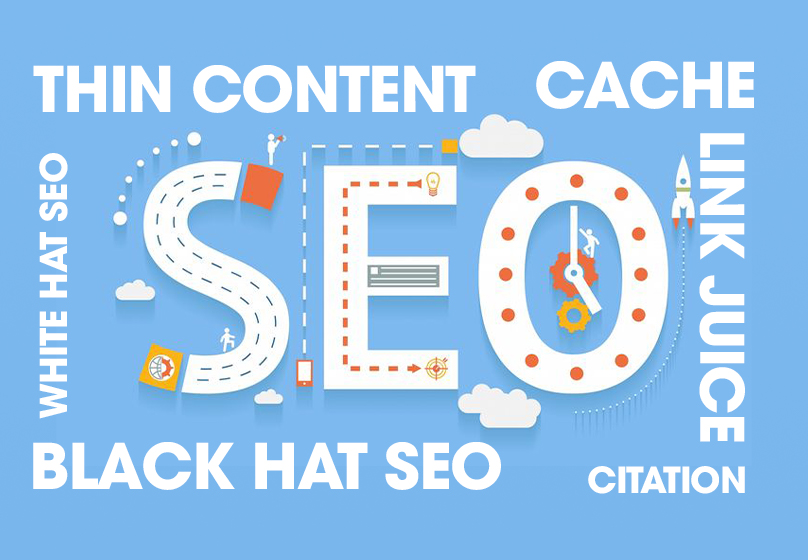
57. White Hat SEO: Standard SEO techniques that comply with search engine guidelines. Understanding these SEO terms helps you grasp the essence of this method and avoid penalties.
58. Black Hat SEO: Trick techniques to quickly boost rankings, such as keyword stuffing, cloaking, or buying links.
59. Gray Hat SEO: Techniques between white hat and black hat. While not directly violating rules, they can be scrutinized if abused.
60. Sandbox: A familiar concept among common SEO terms, especially for beginners launching a new project.
61. Google Algorithm: Google's system for determining the order of search results. Famous updates include Panda Penguin and Hummingbird.
62. Penalty: A Google punishment for violating SEO policies that can drastically reduce or remove rankings from search results.
63. Disavow Tool: A tool that allows you to reject unwanted links pointing to your site to avoid negative effects from bad backlinks.
64. Evergreen Content: Content that retains value over time and does not become outdated. This type of content usually attracts stable traffic.
65. Topical Authority: The authority of a website in a specific topic is built through high-quality, consistent, and in-depth content.
66. Pogo-sticking: When users click a search result and immediately return to the search page. This can indicate that the content does not meet expectations.
67. Rich Snippets: Enhanced search results with extra information such as star ratings, product images, or cooking times, which help stand out and increase click through rate.
68. Link Juice: The SEO power is passed from one page to another through a hyperlink.
69. Orphan Page: A page with no internal links pointing to it, making it hard for search engines to discover.
70. Thin Content: Content that lacks depth and does not provide real value to readers.
71. NAP (Name, Address, Phone Number): The business name address and phone number are especially important for local SEO, as Google uses this data to verify credibility.
72. Local Pack: The top three results that appear when users search for local information are often accompanied by a Google Maps display.
73. GMB (Google My Business): A platform for managing business information displayed on Google Maps and Google Search. Optimizing GMB is a key factor in local SEO especially when learning related SEO terms.
74. Citation: Mentions of a business usually include NAP on directories or review sites, which boost local SEO credibility. This is one of the essential SEO terms for local business optimization.
75. Map Pack: Another name for the Local Pack that displays maps and business locations.
76. Geo-targeting: A strategy to optimize content or website structure for users in a specific geographic area. This is a technical SEO term with strategic value.
77. Mobile-First Indexing: Google's policy of prioritizing the mobile version of a site for indexing and ranking.
78. Crawl Budget: The amount of resources Googlebot allocates to crawl a website. Optimizing crawl budget helps important pages get indexed faster.
79. Core Web Vitals: A set of three metrics used to measure user experience on a website, including Largest Contentful Paint, First Input Delay, and Cumulative Layout Shift.
80. Largest Contentful Paint (LCP): Measures the loading time of the largest content element on a page. A lower value means better performance.
81. First Input Delay (FID): Measures the delay from when a user first interacts with the page to when it responds. A low FID means the website is responsive.
82. Cumulative Layout Shift (CLS): Measures unexpected layout shifts during page load. A low CLS results in a smoother experience.
83. AMP (Accelerated Mobile Pages): A simplified version of web pages for mobile devices that helps increase page loading speed on mobile.
84. Cache: Temporary storage that saves page data so users can access it faster during future visits while also improving load time.
85. Minification: The process of removing spaces and unnecessary characters in source code including HTML CSS and JS to reduce file size and enhance speed.
86. Canonical Tag: An HTML tag used to indicate the official URL of a page to prevent content duplication across different versions.
87. Pagination: Dividing content into multiple pages is commonly seen in blogs and product categories. Optimizing pagination helps Google understand the relationship between pages.
88. Noindex Tag: A meta tag that instructs search engines not to index that page, typically used to keep unnecessary pages off the search results.
89. Nofollow: A link attribute that tells search engines not to pass link juice to the target page. Often used in comments or paid links.
90. Dwell Time: The amount of time a user stays on a page before returning to the search results. A longer dwell time may signal valuable content.
91. Time on Page: The duration a user spends on a specific page. This is a helpful metric for evaluating content engagement.
92. Scroll Depth: Measures how far down a page users scroll. Pages with engaging content usually have high scroll depth.
93. Lead Magnet: Free content or offers designed to attract users to submit their contact information helping build an email list.
94. CTR Manipulation: Techniques used to artificially increase the click through rate. These are generally discouraged due to the risk of penalties.
95. Everflux: Minor fluctuations in search results caused by continuous algorithm updates. This is a common occurrence.
96. Manual Action: A penalty manually issued by Google’s team when a website is found to be in serious violation of SEO guidelines.
97. Web 2.0: Interactive platforms such as blogs, forums, and social networks are often used for building backlinks but must be used with caution.
98. Toxic Link: A link from low-quality websites or those negatively rated by Google. These should be checked and removed if necessary.
99. CTR (Click-Through Rate): Although mentioned earlier, this reiterates the role of CTR as a user behavior factor that influences SEO.
100. Indexability: The ability of search engines to access and index your website pages.
101. SEO Audit: A comprehensive check of the website to identify issues related to technical performance, content links, and user experience that affect SEO.
VII. Conclusion
With this list of 101 compiled and clearly explained SEO terms, we hope you now have a more systematic and thorough understanding of the field of search engine optimization. Whether you are just starting out or looking to upgrade your current SEO strategy, mastering these concepts will help you implement more effectively and communicate more professionally in your work.
If you are looking for a partner to help you implement a professional, sustainable, and effective SEO strategy, Connect Tech is the trusted choice. Discover more about our services at Connect Tech and start your journey to conquering top rankings on Google today.
Table of Contents
Related news

What Is a Landing Page? Key Differences Between a Landing Page and a Website
What is a landing page? Learn how landing pages work, where they appear, and the key differences between landing pages and websites for marketing success fast!

Website Design Technology: Which Platform Should Your Business Choose?
Explore website design technologies, compare platforms, key criteria, common mistakes, and choose the right solution to scale your business effectively today.
What Are Website and Web App? Detailed Distinction and How to Choose the Right One
Learn the key differences between a Website and Web App. Compare their functions and goals to choose the right digital solution for your business strategy now.
Pros and Cons of CMS Software: Should Businesses Use It for Their Website?
Explore the pros and cons of CMS software for business websites and decide whether CMS or custom development fits your long term growth strategy best today.
What Is Website Structure? Why So Many SEO Websites Stay Messy for Years
Learn what website structure is, why many SEO websites stay messy for years, and how to build a clear, scalable SEO-friendly structure that ranks and converts.
How Website Colors Influence User Emotions
How website colors shape user emotions, trust, and conversion. Learn common mistakes, color psychology, and how to choose colors that drive action growth now