Loading Table of Contents...
What is Content Marketing? A Beginner's Guide
Quick Summary
Collapse
Discover what content marketing is and why it matters in attracting and converting customers. Learn the TOFU–MOFU–BOFU funnel and 5 beginner-friendly steps to get started.
Nowadays, consumers are increasingly skeptical of advertisements. They actively seek out information before making decisions, and this is where Content Marketing shines. Without being flashy or sensational, this form of marketing helps businesses connect with customers by delivering real value at the right time and in the right way.
Content marketing is not just about writing blog posts or creating videos. It is a long-term strategy that helps businesses build lasting relationships with their audience, increase trust, and drive conversions naturally. But what exactly is Content Marketing? And why are most successful businesses leveraging it strategically?
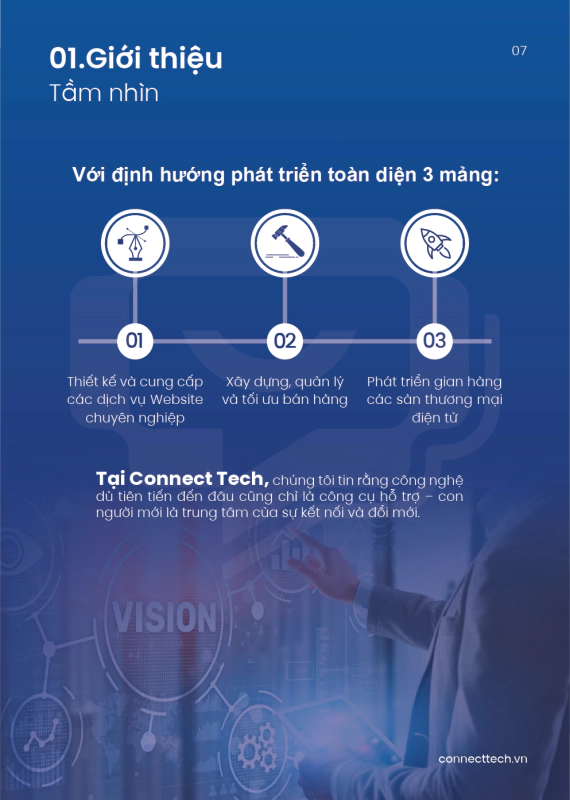
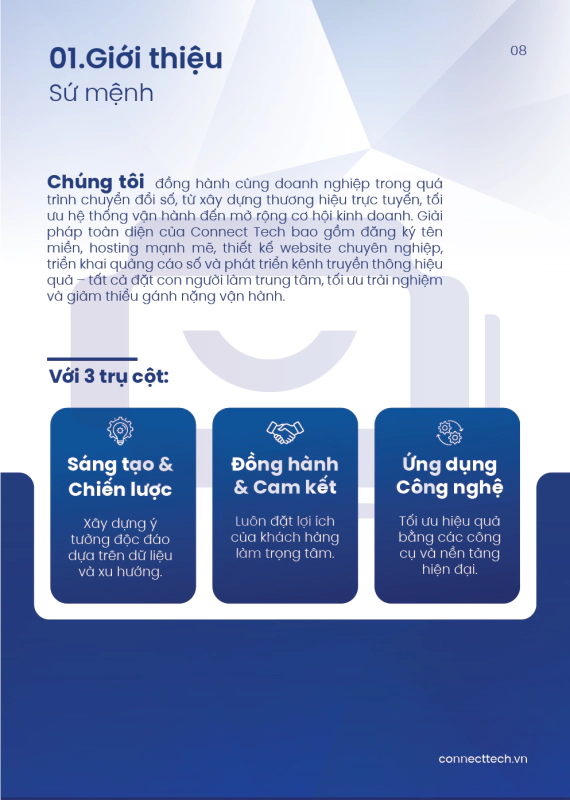
Let Connect Tech walk you through the fundamentals of Content Marketing, explore popular formats, strategic implementation, and practical steps to get started.
What is Content Marketing?
Content Marketing refers to a strategic approach to marketing that focuses on creating and distributing valuable, relevant, and consistent content to attract and retain a clearly defined target audience, with the ultimate goal of driving profitable customer action.
Unlike traditional advertising, which emphasizes direct selling, content marketing aims to provide useful information, solve problems, or inspire the reader. When executed correctly, users will seek out the brand on their own and develop needs organically rather than being pressured to buy.
Why is Content Marketing Important?
With consumer behavior changing rapidly and trust in traditional advertising waning, understanding and applying Content Marketing correctly has become essential.
Here are some concrete benefits of content marketing:
- Increase Brand Awareness: A widely shared blog post or viral video can significantly boost visibility among potential customers.
- Educate Customers: Quality content attracts attention while providing knowledge, helping customers understand their problems and the value of your solution.
- Build Trust and Drive Conversions: Consumers tend to choose brands they are familiar with or have previously interacted with through helpful content.
Another key advantage: content marketing has long-term value. A well-written blog post can continue generating traffic, leads, and sales for months or even years, unlike paid ads which stop the moment funding ends.
In today’s fast-evolving digital landscape, content marketing is not optional. It is a foundational pillar of any modern marketing strategy.
Common Types of Content Marketing
After understanding what Content Marketing is, the next step is to recognize which types best serve your goals. There's no one-size-fits-all solution—each business must tailor content types based on its industry, audience behavior, and available resources.
Here are the most common and effective content formats:
1. Blog Posts (Website Articles)
A core form of content marketing. Blogs improve SEO, deliver in-depth information, and are ideal for attracting new users.

2. Social Media
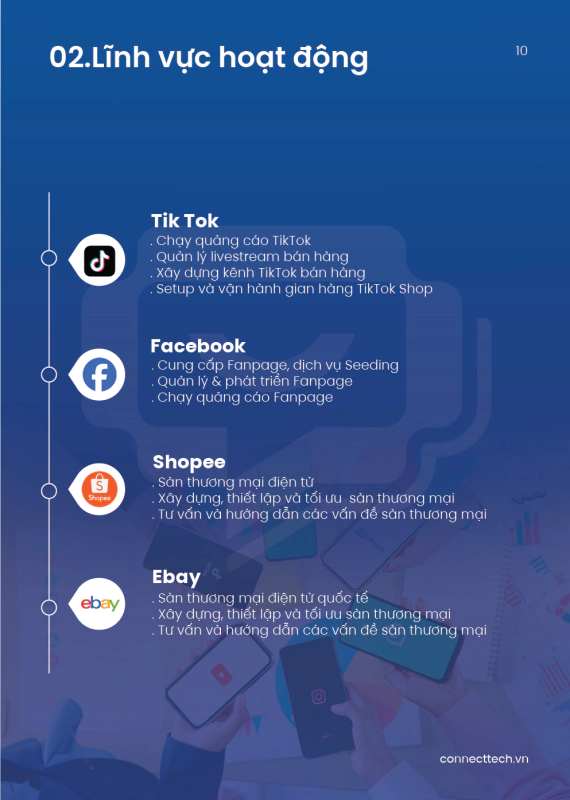
Platforms like Facebook, LinkedIn, Instagram, and TikTok are excellent for short-form content, building engagement, and getting quick feedback. Social content should be concise, catchy, and platform-specific.
3. Email Marketing
More than just a sales tool, email can foster personalized relationships with subscribers, share updates, offer valuable resources, and drive traffic back to your site.
4. Video Marketing
Videos convey emotions and messages in an engaging, easy-to-understand format. From tutorials and product intros to behind-the-scenes footage and brand storytelling, videos are powerful content assets.

5. Infographics
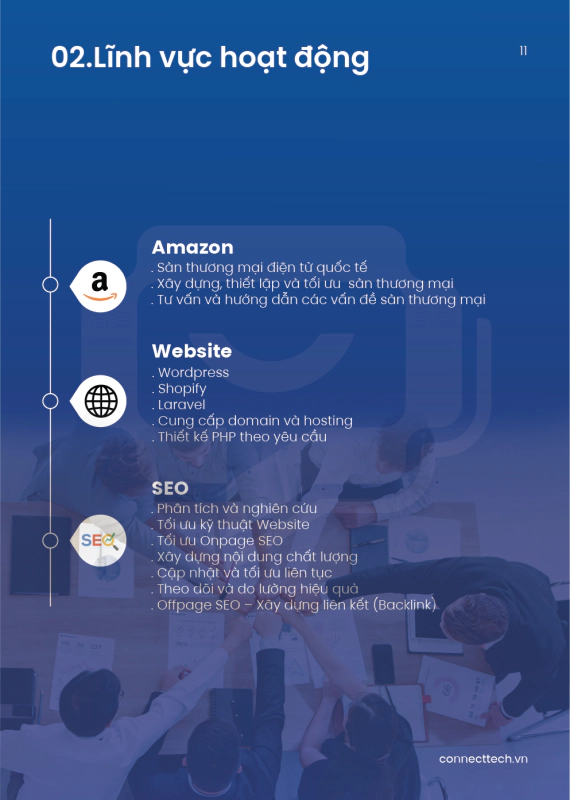
Complex data, processes, or comparisons can become more accessible through visual representation. Infographics are highly shareable on websites and social media.
6. Ebooks/PDFs
These are in-depth, educational formats ideal for lead generation and demonstrating expertise in your field.
How Does Content Marketing Work?
Knowing what Content Marketing is only scratches the surface. More important is understanding how it works throughout the customer journey.
Unlike short-term ad campaigns, content marketing is a strategic, long-term process. It’s not just about posting content online—it’s about guiding potential customers through each phase of decision-making: awareness, consideration, and decision.
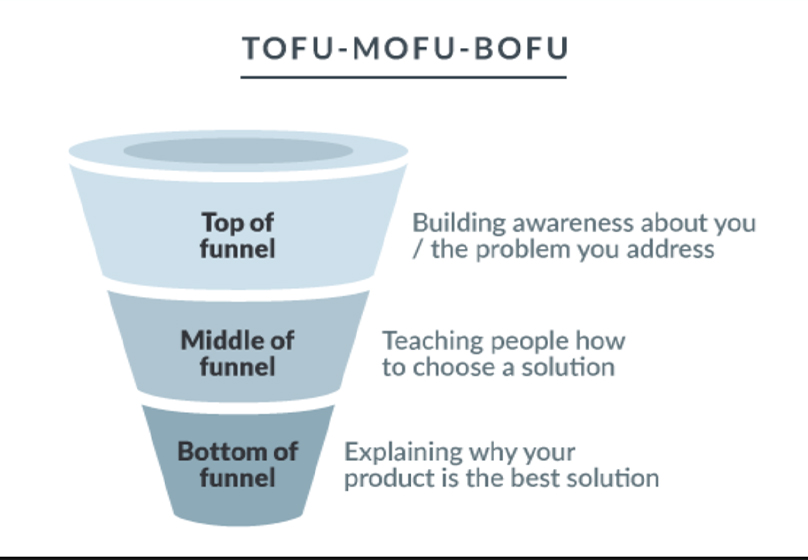
The most common framework used today is TOFU – MOFU – BOFU:
- TOFU (Top of Funnel): Awareness Stage
- MOFU (Middle of Funnel): Consideration Stage
- BOFU (Bottom of Funnel): Decision Stage
1. TOFU – Awareness
At this stage, the audience may not fully understand their problem or are just starting to research. The goal is to grab attention, offer general value, and make your brand visible.
TOFU Content Examples:
- Blog articles: Educational overviews and concept explanations
- Social media posts: Short, shareable content
- Intro videos: Inspirational storytelling and soft introductions to your solution
Focus on creativity and usefulness here—avoid aggressive sales messages.
2. MOFU – Consideration
Now that the audience recognizes their issue, they are comparing options. Content at this stage should educate in-depth, provide choices, and demonstrate your expertise.
MOFU Content Examples:
- Ebooks/whitepapers: In-depth guides for specific needs (e.g., "Content Strategy for F&B")
- Email sequences: Personalized content with real-life examples
- Product reviews/demos: Show how features solve user problems
Build trust and position your brand as a credible solution provider.
3. BOFU – Decision
Here, prospects are ready to take action. Your content must eliminate doubt, offer reassurance, and drive conversion.
BOFU Content Examples:
- Testimonials: Real feedback builds credibility
- Product comparisons: Highlight advantages over alternatives
- Special offers and CTAs: Create urgency (e.g., free trial, discounts)
At this stage, emotional triggers and social proof are key to conversion.
In summary, successful content marketing means understanding the user journey and delivering the right content at the right stage: TOFU, MOFU, and BOFU. Each phase plays a critical role in guiding the user toward choosing your brand.
5 Steps to Start Content Marketing for Beginners
Understanding what Content Marketing is lays the groundwork. Here are five foundational steps for beginners looking to apply it effectively.
Step 1: Define Your Target Reader (Buyer Persona)
Content is only effective if it speaks to the right person. Before creating content, clarify:
- Who are they?
- What problems do they face?
- Which platforms do they use?
- What tone and language resonates with them?
Building buyer personas helps align messaging, topics, and formats with audience needs.
Tip: Segment personas by age, industry, job role, or by buying journey stages (TOFU, MOFU, BOFU).

Step 2: Define Your Content Goals
Not all content aims to convert. Some pieces educate, others boost awareness, while others encourage signups or sales.
Common goals:
- Increase website traffic
- Attract qualified leads
- Drive social media engagement
- Optimize conversions
Clear goals allow better format selection, accurate tracking, and efficient use of resources.
Step 3: Choose the Right Content Types
Based on your goals and audience, pick content formats that deliver.
Examples:
- Educating newcomers → blog posts, explainer videos, infographics
- Generating leads → ebooks, checklists, webinars
- Persuading buyers → case studies, testimonials, offers
Avoid spreading yourself too thin across every channel. Start with one or two formats you can execute well, then expand.
Step 4: Create and Publish Content
Now it’s time to bring your plan to life. Ensure:
- Content solves a real audience problem
- Headlines are clear, formatting is reader-friendly, CTA is strong
- SEO is optimized (for web content)
- Visuals support the message
Once created, publish regularly and share through appropriate channels: social media, email, communities, etc.
Tip: Don’t aim for perfection in the beginning. Focus on consistency and improve through real feedback.
Step 5: Measure, Adjust, Improve
Content marketing is an ongoing process. Post-publishing, track key metrics:
- Views (traffic)
- Time on page, bounce rate
- Conversion rate (forms, signups, purchases)
- Engagement (comments, shares)
Use these insights to adjust headlines, layout, CTAs, or try new formats for better results.
Conclusion
Content Marketing is no longer optional—it’s a strategic cornerstone of sustainable business growth. When executed well, it helps reach the right audience at the right time, builds trust, educates the market, and encourages natural conversions.
Whether you're just getting started or refining your existing approach, remember: Content Marketing is a long-term journey. It requires patience, analysis, and continuous improvement. But the payoff, a strong, trusted brand, is well worth the effort.
Ready to build a Content Marketing strategy that fits your business?
Connect Tech is here to support you from strategy to execution, with SEO-friendly content that converts. Contact our experts today for a free consultation.

Table of Contents