Loading Table of Contents...
Why Are Business Websites Frequently Hacked?
Quick Summary
Collapse
Why are business websites frequently hacked? Learn the 8 most common causes, popular cyberattack methods, and effective website security solutions from Connect Tech to protect your business.
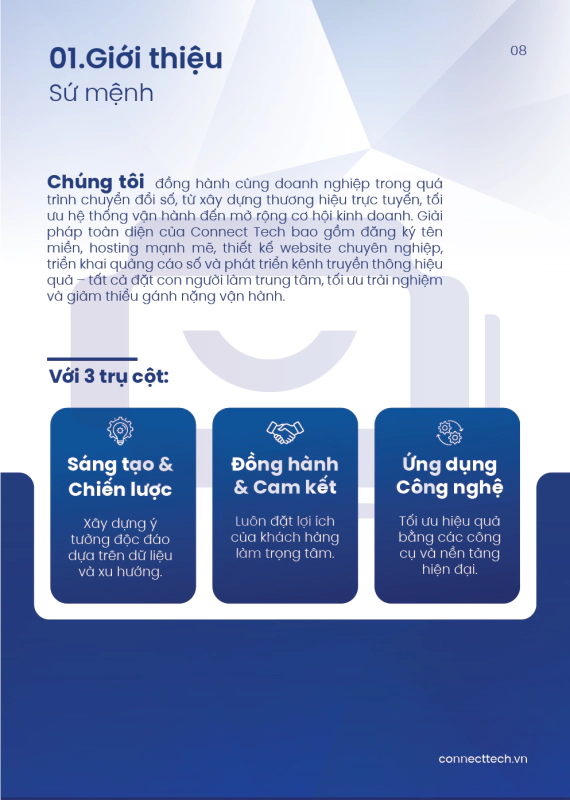
Business websites are often compromised because of security vulnerabilities, outdated software, or a lack of regular maintenance. These weaknesses can disrupt business operations, expose sensitive data, and damage a company's reputation. In this article, Connect Tech explains the main reasons websites are hacked and shares practical strategies to improve website security.
Why Are Business Websites Frequently Hacked?
Business websites are commonly hacked due to outdated software, weak administrator passwords, unsecured hosting environments, vulnerable source code, or insufficient maintenance. Today, cybercriminals primarily rely on automated scanning tools to identify websites with exploitable weaknesses rather than targeting a specific business. As a result, any website can become a victim if it is not properly protected.
Common Reasons Business Websites Get Hacked
|
|
|
|
|
|
|
|
|
|
|
|
|
|
|
|
|
|
|
|
|
|
|
|
|
|
|
Website Software Is Not Updated Regularly
Popular platforms such as WordPress, Laravel, and third-party plugins frequently release security updates to fix newly discovered vulnerabilities. Businesses that fail to install these updates leave their websites exposed to attacks that exploit publicly known security flaws.
Many companies focus solely on website development and overlook ongoing maintenance after deployment. Over time, this significantly increases the risk of cyberattacks.

Website security updates
Weak Administrator Passwords
Using simple passwords or sharing a single administrator account among multiple employees greatly increases the likelihood of unauthorized access.
Websites without login attempt restrictions or Two-Factor Authentication (2FA) are particularly vulnerable to Brute Force attacks, where hackers systematically guess passwords until they gain access.
To reduce these risks, businesses should:
- Use strong, unique passwords.
- Enable Two-Factor Authentication (2FA).
- Change passwords regularly.
- Assign user permissions based on individual roles.
Poorly Secured Hosting or Server
Even a well-developed website remains vulnerable if its hosting environment lacks proper security measures.
Servers without SSL certificates, firewalls, Web Application Firewalls (WAF), Anti-DDoS protection, or regular operating system updates are significantly easier for attackers to compromise.
Choosing a reliable hosting provider is essential not only for website performance but also for long-term security.

Secure hosting infrastructure
Source Code Contains Security Vulnerabilities
If website source code is not thoroughly reviewed during development, it may contain vulnerabilities such as:
- SQL Injection
- Cross-Site Scripting (XSS)
- File Upload Vulnerabilities
- Broken Access Control
According to the OWASP Top 10, these are among the most common web application security risks and remain frequent targets for cybercriminals.
Conducting regular security audits and penetration testing helps identify and eliminate these vulnerabilities before they are exploited.
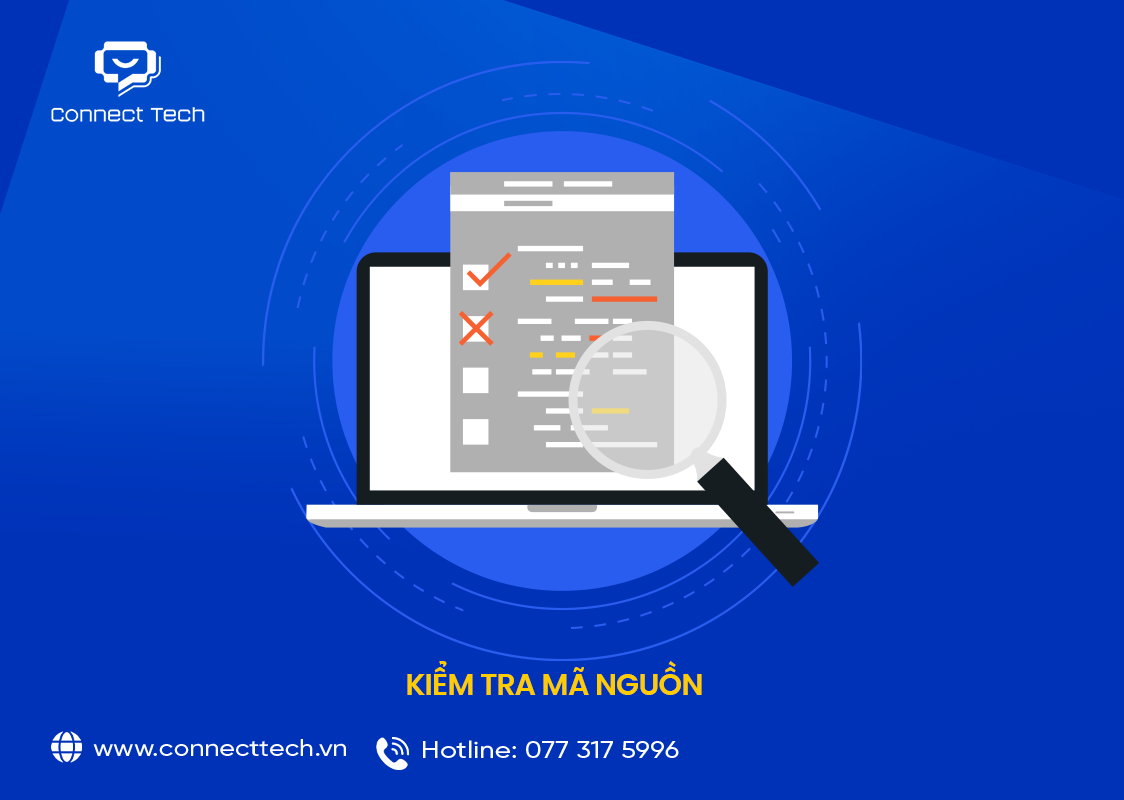
Source code security testing
No Website Data Backup Strategy
Although data backups cannot prevent cyberattacks, they allow businesses to restore their websites quickly after an incident.
If malware infects the website or the database becomes corrupted, a recent backup significantly reduces downtime and minimizes operational losses.
Businesses should implement:
- Automated backup schedules.
- Multiple backup storage locations.
- Routine backup verification to ensure data integrity.
Common Ways Hackers Attack Business Websites
Today's cybercriminals commonly use the following attack methods:
- Brute Force password attacks.
- SQL Injection attacks to access databases.
- Malicious file uploads.
- Cross-Site Scripting (XSS) attacks to steal user information.
- Phishing attacks targeting administrator accounts.
- Exploiting outdated plugins or website themes.
All of these techniques take advantage of existing vulnerabilities within the website or server infrastructure.
How Connect Tech Protects Business Websites
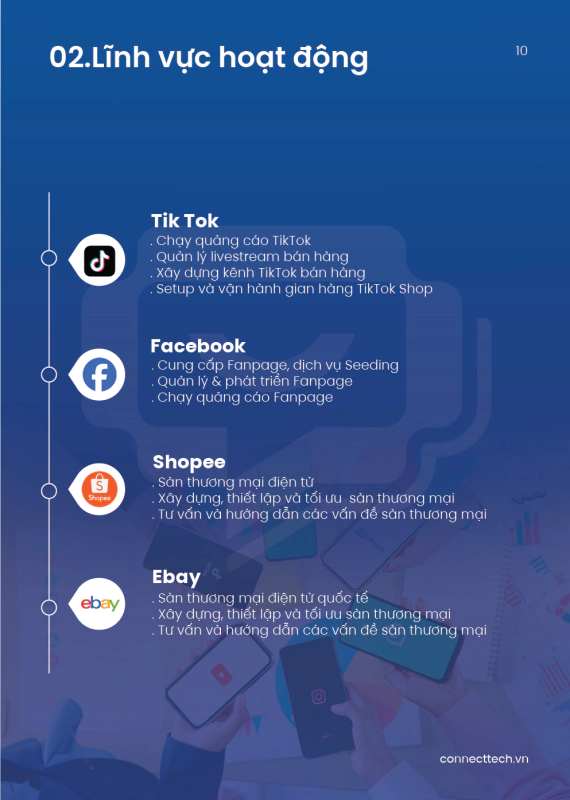
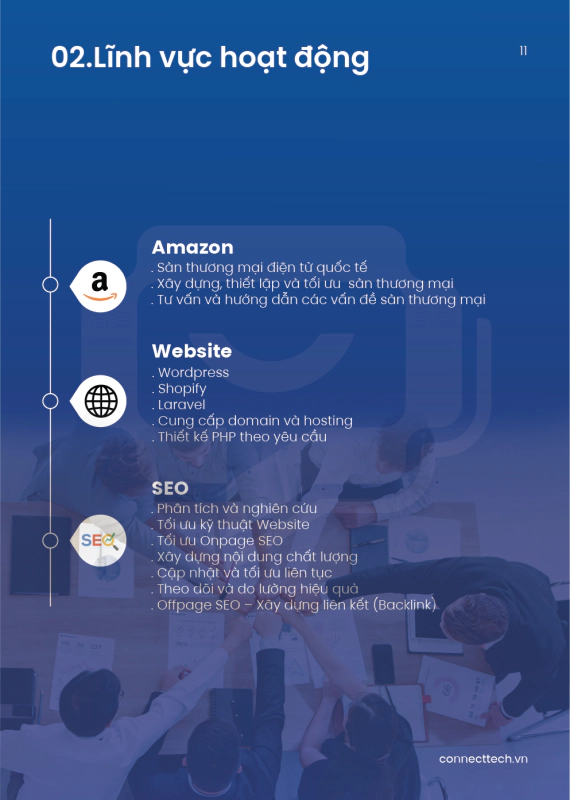
In addition to professional Website Design services, Connect Tech provides comprehensive website security solutions, including:
- Website maintenance services.
- Business hosting solutions.
- SSL certificate implementation.
- Firewall deployment.
- Web Application Firewall (WAF) configuration.
- Automated data backup services.
Our technical specialists perform comprehensive system assessments, identify security vulnerabilities, optimize server performance, and apply the latest security patches to keep your website secure and operating efficiently.
For businesses running eCommerce platforms or high-traffic websites, Connect Tech also provides infrastructure consulting to improve scalability, enhance performance, and ensure business continuity.

Website maintenance services
Frequently Asked Questions
Can small business websites also be hacked?
Yes. Most cyberattacks today are automated, meaning hackers scan the internet for vulnerable websites regardless of company size. Any website with security weaknesses is a potential target.
How often should a website be maintained?
Businesses should inspect and update their websites at least once every month or immediately whenever new security patches become available.
Is installing SSL enough to secure a website?
No. SSL only encrypts communication between users and the web server. Complete website protection requires additional security measures such as firewalls, WAF, regular software updates, data backups, and continuous security monitoring.
Conclusion
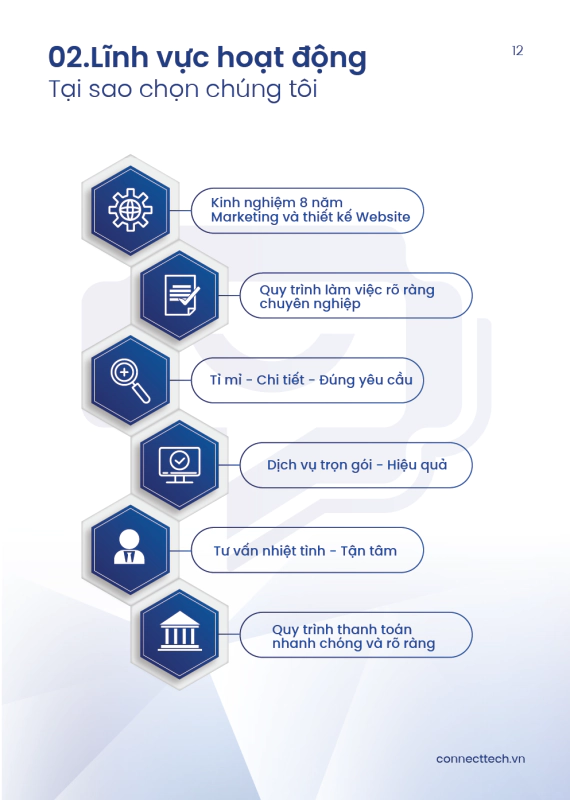
Most successful attacks against business websites occur because known security vulnerabilities remain unpatched. Partnering with an experienced website development company and investing in professional website maintenance, secure hosting, SSL certificates, and comprehensive cybersecurity solutions can significantly reduce security risks while ensuring stable business operations.
Whether your business needs a new website, a system upgrade, or a complete security assessment, Connect Tech is ready to help with experienced technical experts and tailored solutions designed to meet your business objectives.
Contact Information
Connect Tech
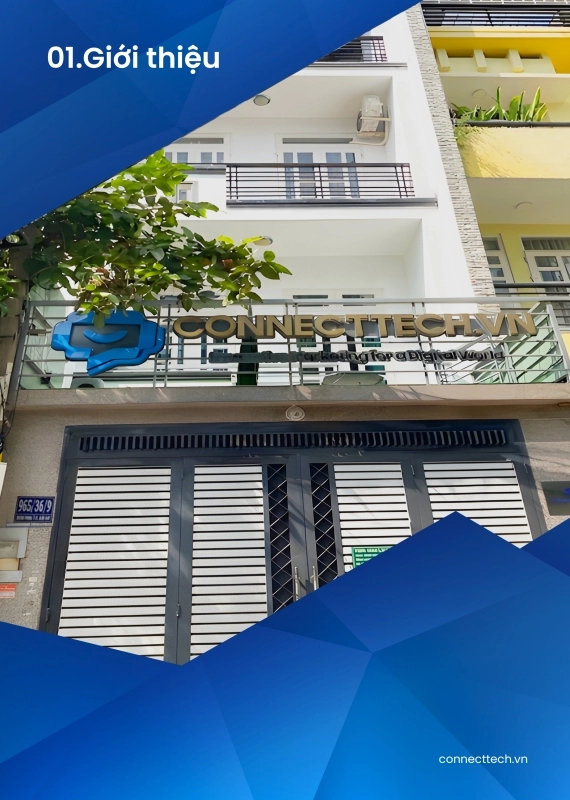
Address: 965/36/9 Quang Trung Street, An Hoi Tay Ward, Ho Chi Minh City, Vietnam
Hotline: +84 77 317 5996
Related Articles
How Does UX/UI Impact Service Industry Websites?
What's the Difference Between a Service Website and an E-commerce Website?
Why Doesn't a Service Business Website Generate Leads? Causes and Solutions
Table of Contents