Loading Table of Contents...
What is Google Ads? A Detailed Guide on How to Run and Optimize Campaigns Effectively
Quick Summary
Collapse
Google Ads is a leading online advertising platform that helps businesses reach potential customers, increase brand awareness, and optimize marketing costs.
Most companies heavily invest in digital marketing, and Google Ads has become an indispensable tool to ensure products and services appear at the exact moment customers are searching for them.
This article will help you understand what Google Ads is, how it works, the most common ad types, and optimization tips to maximize the effectiveness of your campaign.
I. What is Google Ads?
Google Ads (formerly known as Google AdWords) is an online advertising platform developed by Google. It allows businesses to showcase their products or services to the right audience through search engines, YouTube, Gmail, and Google’s partner websites.
Simply put, Google Ads helps your brand appear at the exact moment customers are searching for related products or solutions — thereby increasing the chances of attracting traffic and converting it into actual sales.
II. The Most Common Types of Google Ads
Google Ads offers a variety of flexible ad formats tailored to different business goals. Businesses can choose a single format or combine several to maximize results.
- Search Ads: Displayed on search engine results pages when users enter relevant keywords. Ideal for boosting sales and attracting customers with clear purchase intent.
- Display Ads: Appear as banners, images, or short videos on Google’s partner websites. Help increase brand awareness and expand your potential customer base.
- Video Ads: Shown before, during, or after YouTube videos. Deliver engaging messages that enhance interaction and brand recall.
- Shopping Ads: Display product images, prices, and details directly on Google Search. Optimized for online retailers, making it easier for customers to compare and make quick purchases.
- App Ads: Promote mobile applications across Google Search, Google Play, and other Google networks. Increase app installs and engagement through Google’s automated optimization system.

III. How to Run Google Ads Campaigns
1. Create a Google Ads Account
- Go to ads.google.com
- Sign in using your Gmail account
- Set up basic information: display language, country/region, preferred currency, and payment method.
2. Research and Choose High-Quality Keywords
You should use the Google Keyword Planner tool to find keywords with high search volume, suitable competition levels, and direct relevance to your product.
In addition, combine short-tail keywords (to expand reach) with long-tail keywords (to target customers with specific needs), helping you optimize costs and improve ad effectiveness.
3. Create Engaging Ad Content
Your headline should include the main keyword and highlight the unique value your product offers. The description should clearly state the benefits and emphasize what makes your product different from competitors.
4. Set Up Your Ad Campaign
Once you’ve finalized your keywords and content, proceed to create a Campaign in Google Ads. At this stage, you need to define:
a. The suitable ad format:
- Search Ads: Reach customers who are actively searching.
- Display Ads: Increase brand awareness.
- Video Ads: Deliver dynamic promotion on YouTube.
- Shopping Ads: Showcase products visually.

b. Campaign Objectives
Choose the right objective, such as increasing sales, attracting potential customers, driving website traffic, or enhancing brand awareness.
5. Set Your Budget & Bidding Strategy
This is a crucial step that determines both your ad costs and visibility. You can set a daily budget or a total campaign budget. Then, select a pricing model that aligns with your advertising goals:
- CPC (Cost Per Click): Pay each time a user clicks on your ad.
- CPM (Cost Per Mille): Pay for every 1,000 ad impressions.
- CPA (Cost Per Action): Pay only when users take a desired action (such as making a purchase, signing up, or downloading an app).
Google also offers Smart Bidding, an automated bidding strategy that optimizes costs based on user behavior data.
6. Target the Right Audience
Finally, to make your ads truly effective, you need to clearly define the audience you want to reach.
Google Ads allows you to customize your targeting based on various factors:
- Geographic location: Show ads in specific areas such as cities, provinces, or countries.
- Demographics: Include gender, age, income level, and occupation.
- Interests & behavior: Based on shopping habits, interests, and search history.
- Devices: Target by device type such as computers, smartphones, or tablets.
By leveraging these targeting options, your ads will reach the people most likely to make a purchase — helping you save budget and increase conversion rates.

IV. How to Optimize Google Ads
1. Improve Quality Score
Quality Score is a metric used by Google to measure the relevance and effectiveness of your ads, rated on a scale from 1 to 10.
A higher Quality Score allows your ads to appear in better positions while costing less per click.
The three main factors that affect Quality Score include:
- Click-Through Rate (CTR): The more attractive your ad is, the higher your CTR.
- Relevance between the ad content and targeted keywords.
- User experience on the landing page.
Ways to improve your Quality Score:
- Write compelling, easy-to-understand ad content that closely aligns with your keywords.
- Include main keywords in your ad headlines and descriptions.
- Increase CTR by using strong calls to action (CTAs) and adding Ad Extensions such as phone numbers, addresses, and quick links (Sitelinks).
- Focus on long-tail keywords: More specific keywords help your ads reach users with genuine intent, reduce competition, and increase conversion rates.

2. Optimize Your Landing Page
The landing page is where users “land” after clicking on your ad. A well-optimized landing page not only keeps users engaged longer but also directly impacts your ad’s Quality Score.
Effective methods to optimize your landing page:
- Fast loading speed: Slow pages cause users to leave quickly, reducing your conversion rate.
- Content directly related to the ad: If your ad promotes a specific product, the landing page should clearly present that product along with details, pricing, and a visible “Buy Now” button.
- Mobile-friendly design: Since most users search and browse on mobile devices.
- Clear layout and strong CTA (Call to Action): Make it easy for customers to take the desired action (purchase, sign up, fill out a form, etc.).
- On-page SEO optimization: Use main keywords in the title, description, and page content to increase relevance with your ad.
3. Track Data and Continuously Optimize
No campaign stays effective forever — the key is to analyze, learn, and make ongoing adjustments.
Recommended tools:
- Google Analytics: Tracks user behavior such as time on page, bounce rate, and number of pages visited.
- Google Ads Conversion Tracking: Measures actual conversions (purchases, form submissions, sign-ups, etc.).
- Google Tag Manager: Helps manage tracking codes easily and accurately.
Based on the data collected, you can:
- Optimize your budget: Increase spending on high-performing campaigns and reduce or pause those that are underperforming.
- Adjust your keywords: Remove keywords that don’t generate conversions and add new potential ones.
V. Conclusion
Google Ads is considered one of the most effective and widely used online advertising platforms today. It helps businesses reach potential customers quickly, accurately, and efficiently.
With transparent performance tracking, flexible budget control, and diverse ad formats, Google Ads offers businesses the opportunity to enhance brand awareness, boost conversion rates, and optimize marketing costs.
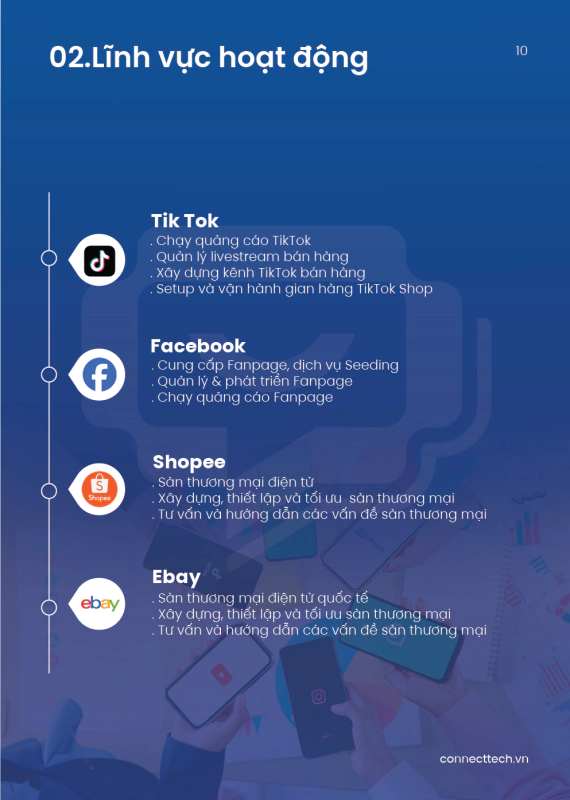
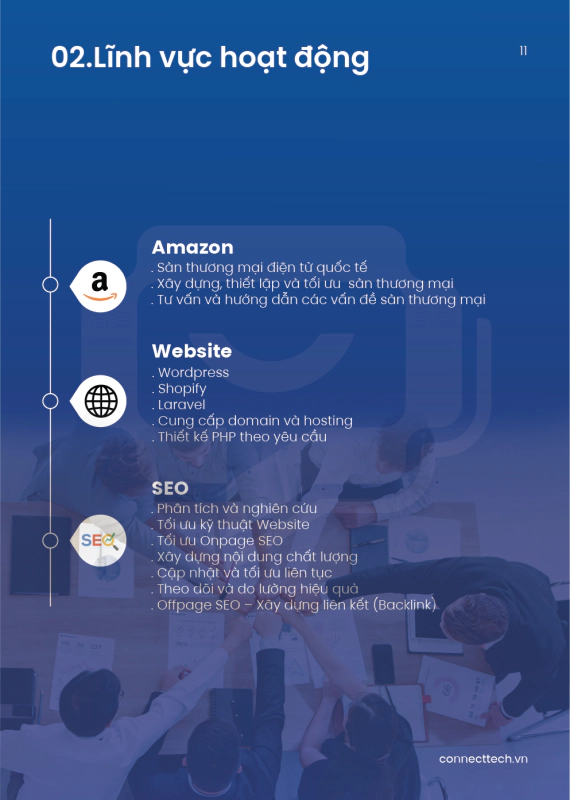
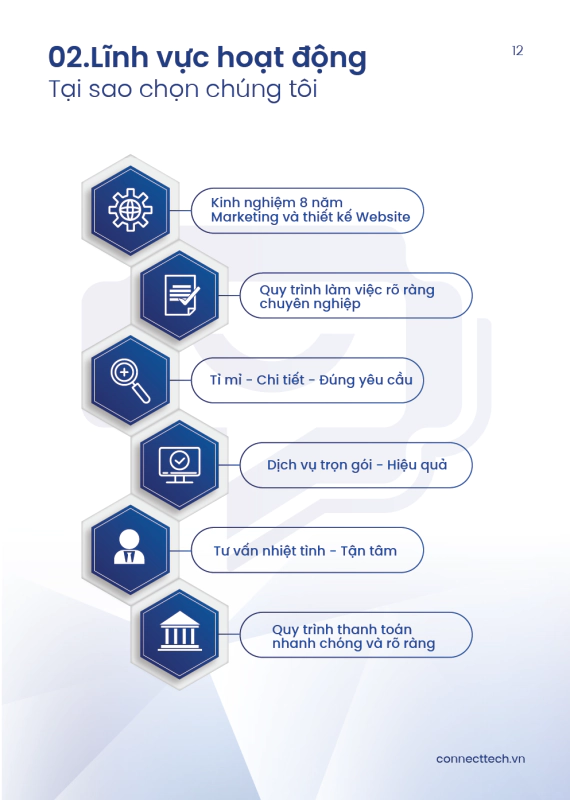
If you want to launch a successful Google Ads campaign, let Connect Tech accompany you in reaching your customers and maximizing your revenue starting today.

Table of Contents