Loading Table of Contents...
Website SEO Checklist: Standards for Building and Optimizing Content
A comprehensive website SEO checklist helps businesses optimize both On-page and Technical structures. Refer to the guide from Connect Tech to improve search rankings.
Search engine optimization (SEO) requires businesses to strictly comply with fundamental technical standards. Implementing a detailed website SEO checklist is a mandatory step to help content reach the right target audience and improve performance. This in-depth article from Connect Tech provides a set of standards for optimizing titles, keyword density distribution, link structure, and images, supporting a business's platform in achieving sustainable rankings.
Standards for Optimizing Titles (Title) and Sapo
The title and introductory paragraph are the first touchpoints that determine whether search engines and users value the article.
For the Title (H1):
-
Each content page is only allowed to have one Heading 1 tag.
-
The title length must not exceed 60 characters and must not be duplicated with other articles on the website.
-
The primary keyword must be placed at the beginning, as close to the left side as possible, and preferably appear within the first 50% of the title.
For the Sapo (Introductory Paragraph):
-
The introductory paragraph should be concise and should not exceed the first 100 words (equivalent to approximately the first 2 lines).
-
The sapo structure must contain the primary keyword, semantic keywords, and the brand name at the end of the paragraph.
Meta Description Tag Standards
The Meta Description tag plays the role of persuading customers to visit the website, directly affecting the click-through rate (CTR).
-
The standard length of a Meta Description ranges from 155 to 160 characters.
-
The description content should be concise, must contain the primary keyword, and naturally include secondary keywords without keyword stuffing (spam).
-
The Meta Description tag must be unique and not duplicated with the meta tags of other articles.
-
Do not use quotation marks in the Meta Description tag to avoid Google truncating the displayed content.
-
Businesses can include technical specifications, manufacturer information, pricing, or special promotions in the Meta Description to increase click-through rates.

Meta description tag standards
Heading Structure and Content Presentation
A well-structured article helps Google's bots crawl data more accurately. In addition, combining it with an appropriate user interface (UI) design structure will further optimize the user experience.
Heading Structure (H2 - H4):
-
The length of each Heading tag should not exceed 12 words.
-
H2 tags should contain the primary keyword or secondary keywords, but only in a natural way and without keyword stuffing.
-
The brand name should appear 1 to 2 times in H2 and H3 tags.
Paragraph Format (Body):
-
The article content should be divided into multiple short paragraphs, each consisting of about 3-4 lines and not exceeding 5 lines.
-
Each sentence should be concise and no longer than 20 words.
-
The primary keyword should be evenly distributed throughout the content, while secondary keywords should account for approximately 15-20% and be included in Heading tags.
Standards for Optimizing Image Specifications
High-quality images should be accompanied by technical specifications optimized for server performance.
-
Quantity and File Size: The standard ratio is 1 image for every 200-300 words of content. Image size must not exceed 100KB to maintain stable page loading speed.
-
Format and Dimensions: It is mandatory to use JPG, JPEG, or WebP image formats. All images in the article must have the same dimensions and use a horizontal rectangular layout.
-
File Naming: File names must be written without accents, separated by hyphens, and must contain the primary keyword.
-
Alternative Text (Alt Tag): It must contain a meaningful description, include the primary keyword, and remain under 125 characters in length.
-
Image Caption: The caption must be meaningful, italicized, contain the primary keyword, and not use a period at the end.

SEO image optimization techniques
Internal Link and External Link Strategy
Internal Links:
-
The standard link structure includes: 1 link to a category page, 2 links to related articles, and 1 link back to the homepage at the end of the article.
-
The most effective positions for placing links are at the beginning or end of paragraphs to maximize user navigation.
External Links:
-
Links should point to authoritative websites within the same industry.
-
Always set links to open in a new tab (open link in new tab) and avoid direct redirects to retain users on the website.
-
Add the nofollow attribute to destination pages with low authority metrics (DR below 20).
-
Anchor text should be highlighted using bold, underline, or color formatting.
Optimizing Featured Snippet Display
The Featured Snippet section is designed to directly explain a problem, helping the article gain the opportunity to reach Position Zero.
-
The snippet should be concise, complete, and accurate, with an ideal length of 40-45 words.
-
It is mandatory to naturally include the Featured Snippet keyword and semantic keywords within this snippet.
Conclusion
A website SEO checklist is an essential tool for managing technical risks and improving keyword rankings. Applying these rules accurately will help a business's digital platform operate at its optimal performance. To receive in-depth consultation on SEO website design and management services,
Detailed contact information:
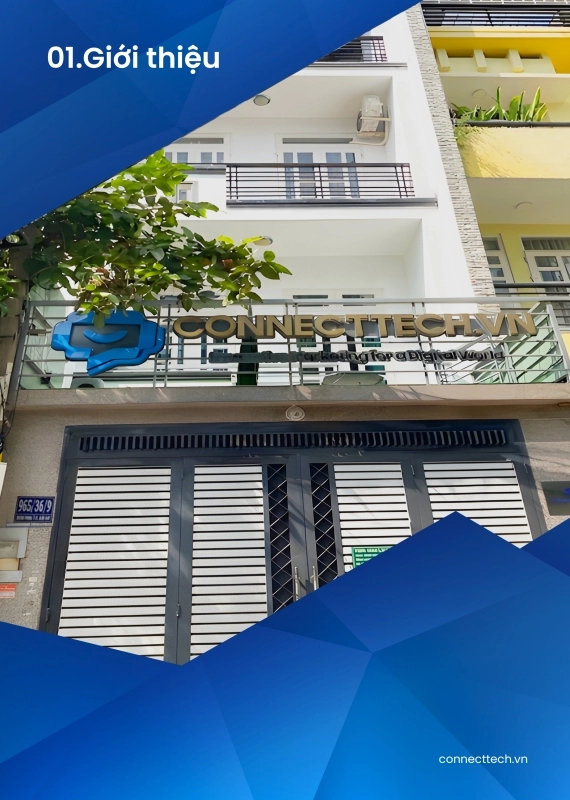
Address: 965/36/9 Quang Trung, An Hội Tây Ward, Ho Chi Minh City
Website: https://connecttech.vn
Hotline: 077 317 5996
See more related articles:
Checklist UX/UI Website: Professional Interface Design Standards
Table of Contents
Related news
Why Does a Website Have No Traffic? Causes & Effective Solutions
Why does your website have no traffic? Connect Tech analyzes the five most common causes and provides practical solutions to help your website generate sustainable organic traffic. Contact us for expert consultation today!

Website Lead Generation: How Many Leads Per Month? Calculation Formula
How many leads should your website generate each month? Connect Tech explains the lead calculation formula, industry benchmarks, and proven strategies to optimize your website for sustainable lead generation and higher conversions.
When Should You Upgrade Your Website?
Wondering when to upgrade your website? Connect Tech highlights 7 key signs, the benefits, and website upgrade costs to help businesses optimize performance, improve user experience, and retain more customers.

Does Your Website Need CRM Integration? A Complete Guide
Does your website need CRM integration? Connect Tech explains the benefits, the right time to integrate CRM, and the best implementation approach to help businesses improve customer management and sales performance.
What's the Difference Between a Rental Website and an Owned Website?
What’s the difference between a rental website and an owned website? Connect Tech compares costs, ownership, advantages, and limitations to help businesses choose the right solution. Get a free consultation today!
Does a Website Need a Redesign After 6 Months?
Does a website need to be redesigned after 6 months? Discover the signs that indicate it's time to upgrade your website, improve SEO performance, enhance user experience, and increase business results.