Loading Table of Contents...
10+ Outstanding Website Design Trends 2025
Explore 10+ standout web design trends for 2025 that enhance user experience, increase conversions, and help your brand leave a lasting, unique impression.
With the rapid advancement of technology, website design trends are constantly evolving to keep up with users’ changing behaviors and expectations. For businesses and designers, staying up-to-date with the latest design trends is crucial not only to retain users but also to elevate brand presence.
So, what are the standout trends in website design that are both practical and capable of creating a strong impression in today’s competitive market? In this article, Connect Tech explores the top 10 website design trends for 2025 that are worth your attention.
I. Current Standards in Website Design
1. Mobile-First and Fully Responsive Design
With over 60% of traffic coming from mobile devices, mobile-first design has become the gold standard. Websites must be optimized for smartphones first, then scaled up for tablets and desktops. Responsive design ensures the layout adjusts automatically to fit every screen size, providing a seamless experience across devices.
2. Page Load Speed
Page speed has a direct impact on user experience and SEO performance. Studies show that users abandon a site if it takes more than 3 seconds to load. To improve speed, prioritize image compression, streamlined code, and fast hosting.
3. User-Centered Design (UX)
A well-structured, intuitive interface keeps users engaged and increases conversion rates. Modern UX focuses on the user journey—from their first visit to completing a desired action like making a purchase or submitting a form.
II. Top 10 Website Design Trends for 2025
1. AI Personalization & Dynamic Content
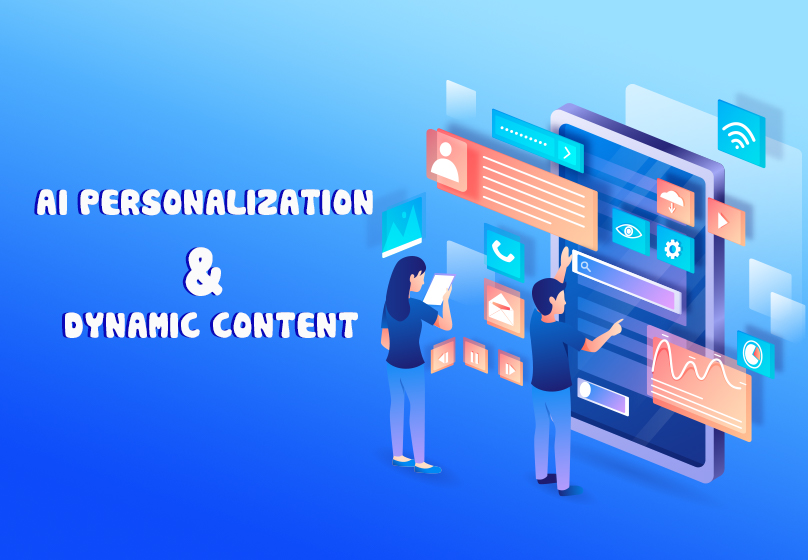
AI-powered websites are transforming user experiences by personalizing content based on behavior, preferences, location, and browsing history. AI enables dynamic content that adapts in real-time, showing users relevant products, interfaces, or calls-to-action. This level of personalization not only increases engagement but also boosts conversion rates.
2. Interactive 3D / Immersive UI
Interactive 3D and immersive interfaces are redefining how users engage with websites. By integrating 3D elements, sites feel more vivid, layered, and visually appealing. These elements also simplify complex messages, making them easier to understand. Smooth micro-interactions—such as hover effects, animated transitions, and visual feedback—enhance user involvement and create a memorable browsing experience.
3. Glassmorphism & Organic Gradients
Glassmorphism, with its frosted-glass effect, combined with soft, natural gradients, creates an elegant and modern look without overwhelming users. Unlike flashy gradients from previous years, 2025’s gradient trend leans toward light transitions that mimic sunlight or watercolor effects. This design style enhances readability and works well with mobile interfaces.
4. Motion UI & Micro-Interactions
Motion UI includes purposeful animations that guide users through content intuitively. Examples include subtle hover color changes, zoom effects on product images, or sliding menus. Micro-interactions—such as button vibrations, animated checkmarks, and dynamic loading bars—provide instant feedback and make the interface feel more responsive and engaging.

5. Parallax Scrolling & Depth UI
Parallax Scrolling has become a popular website design trend in recent years. This technique involves separating on-page elements—such as images, text, or backgrounds—into multiple layers that move at different speeds as the user scrolls. Foreground layers typically move faster than background ones, creating a sense of depth and a 3D motion effect that makes the interface more visually engaging and realistic.
More than just a visual effect, Parallax Scrolling also helps shape the user experience in a guided and immersive way. Each scroll action reveals a new layer of information or part of a story, making it an ideal tool for scrollytelling, product showcases, or delivering brand messages in a compelling and intuitive manner. This is why many brands embrace this design approach to enhance storytelling and elevate their online presence.
6. Bold Minimalism & Premium White Space
Minimalist design eliminates unnecessary elements to emphasize core content and functionality. With generous white space, neutral colors, clean typography, and clear layouts, minimalism enhances clarity and professionalism. When executed thoughtfully, minimalist design becomes a powerful branding tool rather than a plain aesthetic.
7. Bento Grid Layout
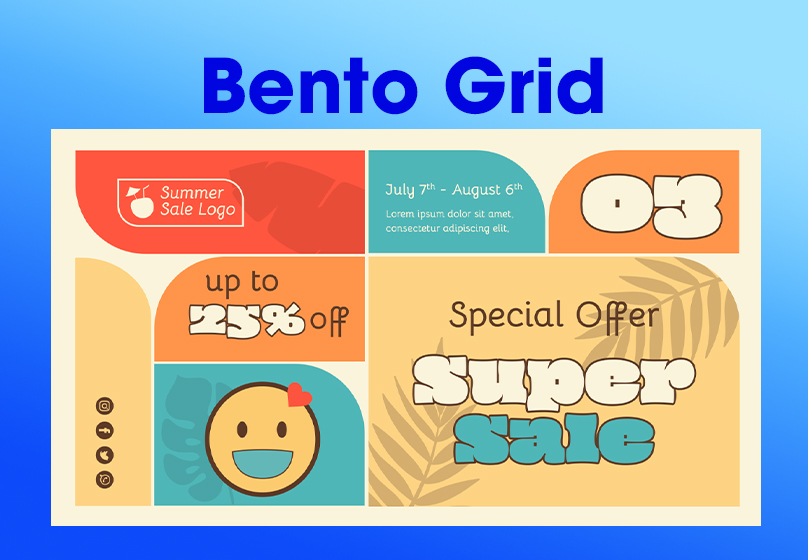
Inspired by Japanese bento boxes, Bento Grid design divides the interface into visually organized content blocks. Each grid section may contain an image, text, CTA button, or interactive element. This layout improves readability, simplifies navigation, and reflects a modern, creative, and structured design—perfect for tech startups, creative agencies, and digital portfolios.
8. Oversized Typography – Typography as a Visual Focus
Oversized typography is rising as a dominant visual element in website design. Instead of serving merely as text, large, bold, and expressive fonts act as design anchors, drawing immediate attention and emphasizing the brand’s key message. It’s a perfect approach for landing pages and minimalist layouts.
9. Scrollytelling – Storytelling Through Scroll
Scrollytelling transforms content into a visual story by revealing elements gradually as users scroll down the page. This method blends visuals, animation, charts, and multimedia into a single narrative flow. It’s ideal for campaign pages, portfolios, product showcases, or data storytelling—engaging users in a journey rather than simply presenting information.
10. Dark Mode & Sustainability
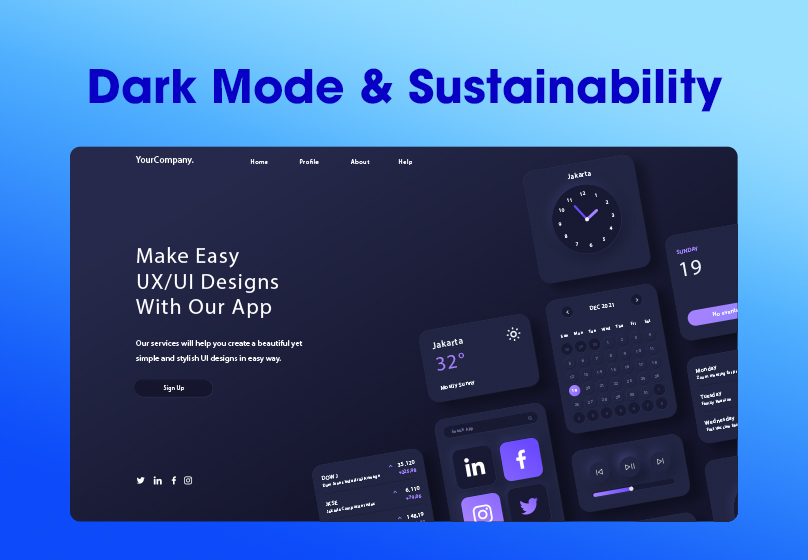
Dark mode is more than just a visual preference—it reduces eye strain, saves battery life on OLED devices, and offers a sleek, modern aesthetic. With proper contrast and minimalist design, dark themes enhance readability and highlight content. Moreover, dark mode is part of a broader shift toward eco-friendly, sustainable design—a growing concern in digital UX.
III. How to Choose the Right Design Trend for Your Website
Not every trend fits every brand. Selecting the right design approach depends on your business goals, industry, and your audience’s expectations. Here’s how to make the best choice:
1. Understand your brand and target audience
Define your brand’s tone—youthful, creative, professional, or classic? Then research your users: who they are, how they browse, and what devices they use.
2. Prioritize performance and usability
Regardless of design style, website performance is key. Fast load times, mobile compatibility, and intuitive navigation matter more than flashy features.
3. Combine trends strategically
Don’t try to follow every trend. Instead, select 2–3 that align with your brand and user journey to create a unique and consistent experience.
4. Continuously update and test
Web trends evolve quickly. Stay updated and run A/B tests to evaluate what design elements truly resonate with your audience.
5. Focus on conversions
No matter how creative the design is, it must serve a purpose—whether it’s boosting conversions, enhancing brand awareness, or conveying key information.
IV. Conclusion
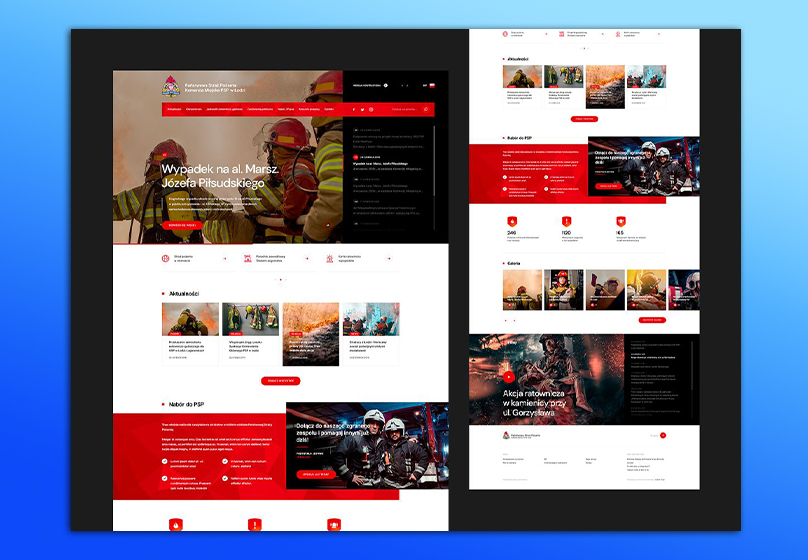
Website design trends in 2025 reflect a blend of cutting-edge technology and user-centered minimalism. These trends not only improve user experience but also affect SEO, conversion rates, and brand perception. If your business is planning to upgrade or build a new website, don’t wait for competitors to take the lead. Implementing the right design trends now can give you a strong competitive edge.
Connect Tech is here to help you create visually stunning, high-performance websites tailored to your business goals. Contact us today for a free consultation and discover the right design solutions for your brand!
Table of Contents
Related news
Why Does a Website Have No Traffic? Causes & Effective Solutions
Why does your website have no traffic? Connect Tech analyzes the five most common causes and provides practical solutions to help your website generate sustainable organic traffic. Contact us for expert consultation today!

Website Lead Generation: How Many Leads Per Month? Calculation Formula
How many leads should your website generate each month? Connect Tech explains the lead calculation formula, industry benchmarks, and proven strategies to optimize your website for sustainable lead generation and higher conversions.
When Should You Upgrade Your Website?
Wondering when to upgrade your website? Connect Tech highlights 7 key signs, the benefits, and website upgrade costs to help businesses optimize performance, improve user experience, and retain more customers.
Does Your Website Need CRM Integration? A Complete Guide
Does your website need CRM integration? Connect Tech explains the benefits, the right time to integrate CRM, and the best implementation approach to help businesses improve customer management and sales performance.
What's the Difference Between a Rental Website and an Owned Website?
What’s the difference between a rental website and an owned website? Connect Tech compares costs, ownership, advantages, and limitations to help businesses choose the right solution. Get a free consultation today!
Does a Website Need a Redesign After 6 Months?
Does a website need to be redesigned after 6 months? Discover the signs that indicate it's time to upgrade your website, improve SEO performance, enhance user experience, and increase business results.